

Order Total (1 Item Items):
Shipping Destination:

Acupressure, Signed (10 results)
Skip to main search results
Search filters
Product Type
- All Product Types
- Books (10)
- Magazines & Periodicals (No further results match this refinement)
- Comics (No further results match this refinement)
- Sheet Music (No further results match this refinement)
- Art, Prints & Posters (No further results match this refinement)
- Photographs (No further results match this refinement)
- Maps (No further results match this refinement)
- Manuscripts & Paper Collectibles (No further results match this refinement)
Condition Learn more
- New (No further results match this refinement)
- As New, Fine or Near Fine (No further results match this refinement)
- Very Good or Good (7)
- Fair or Poor (1)
- As Described (2)
Binding
Collectible Attributes
- First Edition (5)
- Signed (10)
- Dust Jacket (No further results match this refinement)
- Seller-Supplied Images (8)
- Not Print on Demand (10)
Language (2)
Free Shipping
- Free Shipping to U.S.A. (No further results match this refinement)
Seller Location
Seller Rating
-
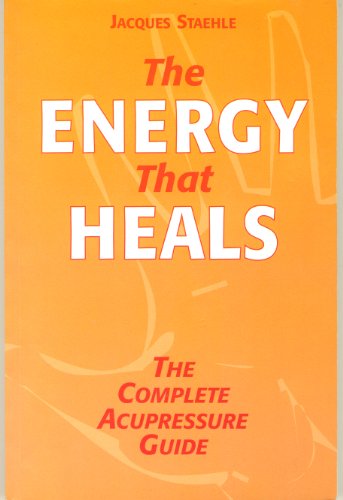
Soft cover. Condition: Very Good. Signed by Author(s).
-
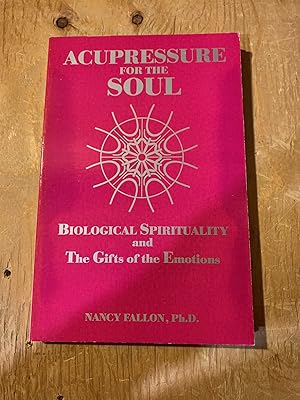
Acupressure for the Soul: Biological Spirituality and The Gifts of the Emotions
Language: English
Published by Light Technology Publishing, 1993
ISBN 10: 0929385497 ISBN 13: 9780929385495
Signed
Soft cover. Condition: Very Good. Very good condition with slight scuffing on front and back cover. This copy is signed by the author. Drawings by Michael Zane Tyree. Signed by Author(s).
-

Shiatsu & the Art of Conscious Cooking: A Cookbook with Recipes, Meditations, Acupressure Points and Chinese Medicine to Suit Your Mood, Stop Cravings and Alleviate Physical Symptoms
Published by Joanne Faulkner, 2015
Seller: World of Rare Books, Goring-by-Sea, SXW, United Kingdom
Seller rating 5 out of 5 stars

Signed
Condition: Very Good. 2015. No Edition Remarks. 160 pages. Signed by the author. Paperback book with pictorial cover. Presumed flat signed by author to first page. Colour photographs and illustrations throughout. Binding remains firm. Pages are bright and clear with no visible markings. Paper cover has mild edgewear with curling to corners. Spine is in good condition.
-
Acupressure: A New Method of Arresting Surgical Haemorrhage and of Accelerating the Healing of Wounds
Language: English
Published by Adam & Charles Black, 1864
Seller: YattonBookShop PBFA, Yatton, United Kingdom
Association Member: PBFA
Seller rating 5 out of 5 stars
First Edition Signed
US$ 207.86
US$ 43.52 shipping
Ships from United Kingdom to U.S.A.Quantity: 1 available
Add to basketHardcover. Condition: Fair. 1st. Green cloth boards with gilt lettering to spine. Boards are rubbed and generally grubby. Corners are bumped, edges are worn. Has been rebacked with the original spine relaid. Rear inner hinge is cracked, but holding. Textblock is rather grubby; light old dampstaining throughout. 571 pp. Inscribed (not signed) by author to half-title page. Previous owner's mark to early blank. Additional photos are available upon request. When securely packed this item will weigh in the region of 1291g. Unless specifically mentioned, all our books are photographed so you can see what you are buying. ABE may, however, display a stock image whilst processing ours. (YBP Ref: 028818:1-G6) Size: 8vo - over 73/4" - 93/4" Tall Language: ENG 1291 G. Signed by Author. Book.
-
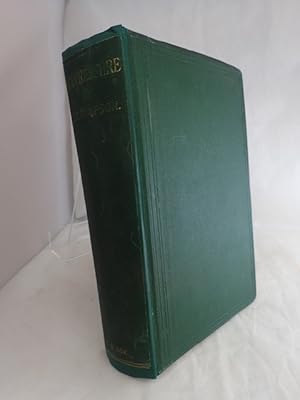
Acupressure. A New Method of Arresting Surgical Haemorrhage and of Accelerating the Healing of Wounds [SIGNED]
Language: English
Published by Adam and Charles Black, Edinburgh, 1864
Seller: Tarrington Books, Tarrington, HEF, United Kingdom
Seller rating 5 out of 5 stars
First Edition Signed
US$ 485.00
US$ 28.25 shipping
Ships from United Kingdom to U.S.A.Quantity: 1 available
Add to basketCondition: Very Good Plus. 1st Edition. *** PLEASE NOTE *** The bookshop is currently closed for holidays. Items can still be ordered, but will not be dispatched until we reopen on Saturday 6th June. Many thanks for your patience. *** Brown cloth binding with bevelled board edges. Slight rubbing and marking to spine, endpapers replaced. Good solid binding. Page edges untrimmed. A few pencilled notes and margin markings, otherwise very clean throughout. Inscribed and signed by the author to leading blank: 'Dr. Whiteford Greenock, with the kindest regards of J.Y. Simpson'. In 1847 Simpson was the first to demonstrate the use of chloroform as an anesthetic. One of the appendices in this work is a patient's account of amputation prior to anaesthetics. Overall condition is Very Good Plus. Size: 6 x 8.75 inches (15 x 22 cm). Hardback. Printed pages: xiv, 580. Signed by Author.
-

Acupressure. A New Method of Arresting Surgical Haemorrhage and of Accelerating the Healing of Wounds
Published by Adam and Charles. Black, 1864
Seller: R.E & G.B Way, NEWMARKET, SUFFO, United Kingdom
Association Member: PBFA
Seller rating 5 out of 5 stars
First Edition Signed
US$ 346.43
US$ 37.67 shipping
Ships from United Kingdom to U.S.A.Quantity: 1 available
Add to basketHardcover. Condition: Very Good. 1st Edition. Presentation copy from the author to the surgeon Dr Reeves, with 2 interesting medical letters from the author, a very good copy in original cloth of this important work, Inscribed by Author(s).
-
Acupressure. A New Method of Arresting Surgical Haemorrhage and of Accelerating the Healing of Wounds. INSCRIBED BY JAMES Y. SIMPSON.
Published by Edinburgh: Adam & Charles Black, 1864., 1864
Seller: Scientia Books, ABAA ILAB, Arlington, MA, U.S.A.
Association Member: ABAA ILAB SNEAB
Seller rating 4 out of 5 stars

First Edition Signed
Hardcover. Condition: Very Good. 1st Edition. xiv, 580 pp; 42 figs. Original cloth. Tear repaired along upper 2" of front joint, and part way across the spine (see photo). Institutional bookplate on front pastedown ("Purple Collection" of the Library of the Medical Society of the County of Kings in Brooklyn NY) ink stamp on the same institution on the title page. First Edition. INSCRIBED BY JAMES Y. SIMPSON: "J. A. Calantarients/ Presented by the Author University/ Edinburgh" (see photo). "Johannes Avetician Calantarients was . . . born in 1838 in Armenia. Calantarients was educated at Constantinople (Istanbul). He came to England aged 20, to study at St Aidan's Theological College, Birkenhead. However, after 3 years he took up medical studies at University College, London and in Edinburgh. He qualified as a Member of the Royal College of Surgeons (MRCS) in 1869, Bachelor of Medicine (MB) in 1874 and Doctor of Medicine (MD) in 1876." Simpson's book is "one of the most intelligent studies of the problems of wound healing to be published before 1867, when Lister announced his discoveries. Apart from his exposure of the perils of burying septic ligatures he propounded sound ideas about wound closure and dressings. He stressed the necessity of careful apposition of wounds without tension, of closing dead spaces, of irrigating wounds to remove all dead or foreign tissue before attempting closure, of achieving complete haemastasis, or providing dependent drainage when necessary and of absolute rest for a wound. 'All touching and fingering of the sides or vicinities of recent wounds should be avoided and forbidden' was one of his aphorisms. He scorned the use of multiple dressings and packs but advocated that wounds should be left exposed to the air to let nature do the healing. Such principles were important steps towards aseptic surgery and remain as important today as ever" (Shepherd, Simpson and Syme of Edinburgh, pp. 173 and 185). Signed by Author(s).
-
Acupressure: A new method of arresting surgical haemorrhage. Pres. copy with ALs laid in
Published by Adam & Charles Black, Edinburgh, 1864
Seller: Jeremy Norman's historyofscience, Novato, CA, U.S.A.
Seller rating 4 out of 5 stars
First Edition Signed
Simpson, James Young (1811-70). (1) Autograph letter signed to Dr. McGavin. 4pp. on 2 sheets (probably originally a bifolium). Edinburgh, 24 December 1864. 184 x 115 mm. Small tears along folds, a few small chips. (2) Simpson. Acupressure: A new method of arresting surgical haemorrhage and of accelerating the healing of wounds. xiv, 580pp. Text illustrations. Edinburgh: Adam and Charles Black, 1864. 217x 141 mm. Original cloth, rebacked preserving original spine, light wear, front cover a bit stained. Front free endpaper a bit frayed, light toning, but good to very good. Presentation Copy, inscribed by Simpson on the front flyleaf: "Dr. McGavin with the Author's kindest regards." Manuscript note by Thomas Young Simpson (likely a descendant) on p. v. Together 2 items. The letter is laid into the First Edition of Simpson's treatise describing his innovative method of surgical acupressure (not to be confused with the traditional Chinese practice), in which metal needles were used to occlude the arteries during operations, reducing the risk of hemorrhage and promoting speedy wound healing. The technique, though developed further and found successful, failed to gain Simpson the recognition he was expecting. Simpson succeeded in creating a vogue for acupressure that lasted at least thirty years, though it did not lessen the mortality rates in British hospitals. Simpson presented this copy to a Dr. McGavin (whom we have not been able to further identify), accompanying it with the letter described above: "Along with this note I have taken the liberty of sending you a copy of the essay on Acupressure-of the size of which I am quite ashamed. But I could not stop & abridge. "Dr. Bell has done the translation with, I think, much ability, & in a good style; & I feel greatly indebted to him. "I have sent a copy to Nelaton & one to Velpeau. Do any of the surgeons at Paris-besides these-read English? "If you read the book have some compassion on it-as a book on surgery written by a Doctor. I should not have written it-(so say some of the surgeons here); but I could not help it. Of the ultimate adoption of acupressure I have no doubt, but a long time is required . . . Auguste Nélaton (1807-73) and Alfred-Armand-Louis-Marie Velpeau (1795-1867) were prominent French surgeons. Accompanying Simpson's letter and book are various pieces of correspondence including a letter from Norman E. Lamplugh dated 11 February 1944 presenting the above-described items to Thomas Young Simpson (likely a descendant). .
-
Answers to the Various Objections Against Acupressure or the Temporary Metallic Compression of Arteries
Published by [Black], [Edinburgh], 1864
Seller: Rooke Books PBFA, Bath, United Kingdom
Association Member: PBFA
Seller rating 5 out of 5 stars
Signed
US$ 228.64
US$ 26.89 shipping
Ships from United Kingdom to U.S.A.Quantity: 1 available
Add to basketBrochure/Pamphlet. Condition: Good. None (illustrator). A scarce pamphlet by Dr. James Young Simpson defending the practice of acupressure, signed by the author. Signed by the author to the head of the title, 'With the Author's compliments'.A scarce pamphlet by James Young Simpson, discussing the subject of acupressure and its uses, defending the medical practice.Originally published in Dr. Simpson's work on Acupressure.Undated, dated from Jisc from a copy held at the University of Oxford Libraries. Unbound, as issued. Externally, with chips to the title page and page 33/34, larger chip to page 33/34 with loss of text to page 33. Light handling marks, and small tide mark to the head of the title page. Internally, generally firmly bound, pages 2-4 are detached but present, title page and page 33/34 are lifting to the tail. Pages are bright and clean. Good. signed by author. book.
-

Answers to the various objections against acupressure. Pres. copy
Publication Date: 1865
Seller: Jeremy Norman's historyofscience, Novato, CA, U.S.A.
Seller rating 4 out of 5 stars
Signed
Simpson, James Young (1811-70). (1) Answers to the various objections against acupressure of the temporary metallic compression of arteries . . . 34pp. N.p., n.d. [1865]. 209 x 135 mm. Disbound. Minor dust-soiling, first and last leaves coming loose. Presentation Copy, inscribed by Simpson on the first leaf: "With the Author's compliments." (2) Simpson. Comparison of the ligature and acupressure as haemostatic agents: Tabulated contrast between them. Bifolium. 4pp. N.p., n.d. [1864]. Disbound. 209 x 135 mm. Some foxing, left margin frayed. Together 2 items. Good to very good. First Separate Edition of no. 1; First Edition of no. 2. The first work is an expanded separate printing of chapters XV and XVI from Simpson's Acupressure (1864). From the author's "Prefatory Note": "The following two chapters were originally written in answer to the chief objections urged against Acupressure by various surgical authorities. They are reprinted in the present form merely in self-defense against the reiteration of some of these objections . . ." (p. 2). The accompanying leaflet presents a tabulated comparison of the benefits of acupressure versus arterial ligation. .


![Seller image for Acupressure. A New Method of Arresting Surgical Haemorrhage and of Accelerating the Healing of Wounds [SIGNED] for sale by Tarrington Books](https://pictures.abebooks.com/inventory/md/md30884617146.jpg)


