
Belot Adolphe (51 results)
 More images
Published by France
- Softcover
- Signed
- Manuscript
Seller: L'art délivré, Fondettes, FranceL'art délivré
Contact seller2-star sellerCondition: Used - Fair
US$ 18.96
US$ 10.36 shippingShips from France to U.S.A.Quantity: 1 available
No Binding. Condition: Fair. Adolphe BELOT. Lettre autographe signee. Dimensions : 10.7 x 17 cm. 2 pages. Etat : Usure sur les bords et dechirures sur le bord droit (recto). Presence d'onglets, de rousseurs sur les deux faces. Signed by author or artist.
 More images
Published by France
- Softcover
- Signed
- Manuscript
Seller: L'art délivré, Fondettes, FranceL'art délivré
Contact seller2-star sellerCondition: Used - Fair
US$ 26.07
US$ 10.36 shippingShips from France to U.S.A.Quantity: 1 available
No Binding. Condition: Fair. Adolphe BELOT. Lettre autographe signee. Dimensions : 11 x 16.8 cm. 2 pages. Etat : Presence d'onglets au verso ainsi que de rousseurs. Presence de legeres taches et d'onglets au verso. Dechirure sur la partie inferieure droite du verso (sur 1cm) et sur la pliure centrale a l'interieure (sur 9mm). Si…gned by author or artist.

Published by Paris : E. Dentu 1883
- Hardcover
Seller: MW Books, New York, NY, U.S.A.MW Books
Contact seller5-star sellerNinth Edition. Good copy in the original aniline calf over boards. Raised bands, spine compartments uniformly tooled in gilt. Remains well-preserved overall. Physical description: 335 p.; 19 cm. Subjects: French Literature 19th century. 19th century. France. 4 Kg.
 More images
Published by France
- Softcover
- Signed
- Manuscript
Seller: L'art délivré, Fondettes, FranceL'art délivré
Contact seller2-star sellerCondition: Used - Good
US$ 35.56
US$ 10.36 shippingShips from France to U.S.A.Quantity: 1 available
No Binding. Condition: Good. Adolphe BELOT. Lettre autographe signee Dramaturge francais Lettre autographe signee, adressee a un ami, non datee, sur double feuillet avec entete de ses initiales gaufrees. Dimensions : 11,1 x 17,5 cm Nombre de pages : 1 page Adolphe BELOT Louis Marc Adolphe Belot, ne le 6 novembre 1829 a Pointe-a-…Pitre et mort le 18 decembre 1890 a Paris 8e, est un dramaturge et romancier francais. Signed by author or artist.
 More images
Published by France
- Softcover
- Signed
- Manuscript
Seller: L'art délivré, Fondettes, FranceL'art délivré
Contact seller2-star sellerCondition: Used - Good
US$ 35.56
US$ 10.36 shippingShips from France to U.S.A.Quantity: 1 available
No Binding. Condition: Good. Adolphe BELOT. Lettre autographe signee Ecrivain et dramaturge Dimensions : 17,8 x 11,3 cm Etat : Voir photos pour plus de details. Nombre de pages : 2 pages Adolphe BELOT Louis Marc Adolphe Belot, ne le 6 novembre 1829 a Pointe-a-Pitre et mort le 18 decembre 1890 a Paris 8e, est un dramaturge et rom…ancier francais. Signed by author or artist.

Published by Paris : E. Dentu 1881
- Hardcover
Seller: MW Books, New York, NY, U.S.A.MW Books
Contact seller5-star seller21st Edition. Previous owner's signature. Good copy in the original aniline calf over boards. Raised bands, spine compartments uniformly tooled in gilt. Remains well-preserved overall. Physical description: 364 p.; 19 cm. Subjects: French Literature 19th century. 19th century. France. 4 Kg.

- Softcover
Seller: Hubert Colau, LA BAZOCHE GOUET, FranceHubert Colau
Contact seller5-star sellerCondition: Used
US$ 8.89
US$ 46.03 shippingShips from France to U.S.A.Quantity: 1 available
Brochà ,Bon à tat, plis sur couverture et dos intà rieur tràs propre.

Published by Paris : E. Dentu 1883
- Hardcover
Seller: MW Books Ltd., Galway, , IrelandMW Books Ltd.
Contact seller5-star sellerCondition: Used
US$ 35.56
US$ 16.05 shippingShips from Ireland to U.S.A.Quantity: 1 available
Ninth Edition. Good copy in the original aniline calf over boards. Raised bands, spine compartments uniformly tooled in gilt. Remains well-preserved overall. Physical description: 335 p.; 19 cm. Subjects: French Literature 19th century. 19th century. France. 3 Kg.
 More images
Published by France metropolitaine
- Softcover
- Signed
- Manuscript
Seller: L'art délivré, Fondettes, FranceL'art délivré
Contact seller2-star sellerCondition: Used - Good
US$ 47.41
US$ 10.36 shippingShips from France to U.S.A.Quantity: 1 available
No Binding. Condition: Good. Adolphe BELOT. Lettre autographe signee Dramaturge francais Lettre autographe signee, adressee a un ami, non datee, sur double feuillet. Dimensions : 13,1 x 20,4 cm Etat : Voir photos pour plus de details. Nombre de pages : 2 pages Adolphe BELOT Louis Marc Adolphe Belot, ne le 6 novembre 1829 a Point…e-a-Pitre et mort le 18 decembre 1890 a Paris 8e, est un dramaturge et romancier francais. Signed by author or artist.
 More images
- Photo
Seller: Bits of Our Past Ltd, Poynton, , United KingdomBits of Our Past Ltd
Contact seller5-star sellerCondition: Used
US$ 30.83
US$ 2.66 shippingShips from United Kingdom to U.S.A.Quantity: 1 available
No binding. Vintage Paris-Portrait Studio Photo. Woodburytype - Photoglyptie. *** Date : ca 1875 *** Location/Lieu : France, Paris *** Photographer/Credit : F. MULNIER *** Categories : France - Arts (Other) *** Woodburytype photo print, good condition, light creases *** Size in inches/Taille en pouces (1 inch=2,5 cm) : about 3.6…0x5.00 on 5.20x6.60 mount (Paper) - Size in centimeters/Taille en centimetres : about 9.00x12.50 on 13.00x16.50 mount (Paper).

Published by Paris : E. Dentu 1881
- Hardcover
Seller: MW Books Ltd., Galway, , IrelandMW Books Ltd.
Contact seller5-star sellerCondition: Used
US$ 41.48
US$ 16.05 shippingShips from Ireland to U.S.A.Quantity: 1 available
21st Edition. Previous owner's signature. Good copy in the original aniline calf over boards. Raised bands, spine compartments uniformly tooled in gilt. Remains well-preserved overall. Physical description: 364 p.; 19 cm. Subjects: French Literature 19th century. 19th century. France. 3 Kg.
 More images
Published by France
- Softcover
- Signed
- Manuscript
Seller: L'art délivré, Fondettes, FranceL'art délivré
Contact seller2-star sellerCondition: Used - Good
US$ 53.33
US$ 10.36 shippingShips from France to U.S.A.Quantity: 1 available
No Binding. Condition: Good. Adolphe BELOT. Lettre autographe signee Ecrivain et dramaturge Lettre autographe signee d'Adolphe Belot, non datee, sur un double feuillet. Dimensions : 11,4 x 17,7 cm Etat : Voir photos pour plus de details. Nombre de pages : 1 page Adolphe BELOT Louis Marc Adolphe Belot, ne le 6 novembre 1829 a Poi…nte-a-Pitre et mort le 18 decembre 1890 a Paris 8e, est un dramaturge et romancier francais. Signed by author or artist.
 More images
Seller: Devils in the Detail Ltd, Oxford, , United KingdomDevils in the Detail Ltd
Contact seller5-star sellerCondition: Used - Good
US$ 16.44
US$ 21.27 shippingShips from United Kingdom to U.S.A.Quantity: 1 available
Condition: Good. La Bouche de Madame X*** by Adolphe Belot, 1891, French, Rare book.Publisher: E. Dentu, Editeur, Paris.Language: FrenchBinding: Rebound half leather boards.Pages: 316 + intro.Description / Condition: Light shelf wear/sunning to boards. Light foxing to pages. A nice, rare copy.Please see pictures for further info…rmation.
 More images
Published by France
- Softcover
- Signed
- Manuscript
Seller: L'art délivré, Fondettes, FranceL'art délivré
Contact seller2-star sellerCondition: Used - Good
US$ 59.26
US$ 10.36 shippingShips from France to U.S.A.Quantity: 1 available
No Binding. Condition: Good. Adolphe BELOT. Lettre autographe signee Ecrivain et dramaturge Lettre autographe signee d'Adolphe Belot, non datee, sur un double feuillet avec tampon sec de ses initiales en entete. Dimensions : 10,1 x 13 cm Nombre de pages : 3 pages Adolphe BELOT Louis Marc Adolphe Belot, ne le 6 novembre 1829 a Po…inte-a-Pitre et mort le 18 decembre 1890 a Paris 8e, est un dramaturge et romancier francais. Signed by author or artist.
 More images
Published by France
- Softcover
- Signed
- Manuscript
Seller: L'art délivré, Fondettes, FranceL'art délivré
Contact seller2-star sellerCondition: Used - Good
US$ 59.26
US$ 10.36 shippingShips from France to U.S.A.Quantity: 1 available
No Binding. Condition: Good. Adolphe BELOT. Lettre autographe signee Ecrivain et dramaturge Lettre autographe signee d'Adolphe Belot, non datee, sur un double feuillet. Dimensions : 10,4 x 13,2 cm Nombre de pages : 3 pages Adolphe BELOT Louis Marc Adolphe Belot, ne le 6 novembre 1829 a Pointe-a-Pitre et mort le 18 decembre 1890…a Paris 8e, est un dramaturge et romancier francais. Signed by author or artist.
 More images
Published by France 1871
- Softcover
- Signed
- Manuscript
Seller: L'art délivré, Fondettes, FranceL'art délivré
Contact seller2-star sellerCondition: Used - Good
US$ 59.26
US$ 10.36 shippingShips from France to U.S.A.Quantity: 1 available
No Binding. Condition: Good. Adolphe BELOT. Lettre autographe signee, 1871 Ecrivain et dramaturge Lettre autographe signee d'Adolphe Belot, datee du 26 octobre 1871, sur un double feuillet avec ses initiales en entete. Dimensions : 13,2 x 20,7 cm Nombre de pages : 2 pages Adolphe BELOT Louis Marc Adolphe Belot, ne le 6 novembre…1829 a Pointe-a-Pitre et mort le 18 decembre 1890 a Paris 8e, est un dramaturge et romancier francais. Signed by author or artist.
 More images
Published by France metropolitaine
- Softcover
- Signed
- Manuscript
Seller: L'art délivré, Fondettes, FranceL'art délivré
Contact seller2-star sellerCondition: Used - Good
US$ 59.26
US$ 10.36 shippingShips from France to U.S.A.Quantity: 1 available
No Binding. Condition: Good. Adolphe BELOT. Belle et longue lettre autographe signee. Dimensions : 12,5 x 19,1 cm. Nombre de pages : 4 pages. Signed by author or artist.
 More images
Published by France 1871
- Softcover
- Signed
- Manuscript
Seller: L'art délivré, Fondettes, FranceL'art délivré
Contact seller2-star sellerCondition: Used - Good
US$ 65.18
US$ 10.36 shippingShips from France to U.S.A.Quantity: 1 available
No Binding. Condition: Good. Adolphe BELOT. Lettre autographe signee, 1871 Ecrivain et dramaturge Lettre autographe signee d'Adolphe Belot, adressee a Monsieur Dentu, datee du 19 juin 1871. Dimensions : 13,5 x 20,6 cm Nombre de pages : 6 pages Adolphe BELOT Louis Marc Adolphe Belot, ne le 6 novembre 1829 a Pointe-a-Pitre et mort… le 18 decembre 1890 a Paris 8e, est un dramaturge et romancier francais. Signed by author or artist.
 More images
Published by Dentu 1889
- Hardcover
Seller: Bibliomania, Molins De Rei, B, SpainBibliomania
Contact seller4-star sellerCondition: Used - Very good
US$ 35.56
US$ 42.69 shippingShips from Spain to U.S.A.Quantity: 1 available
Encuadernación de tapa dura. Condition: Bueno. La Bouche de Madame X. Adolphe Belot. Dentu, 1889. Adolphe Belot. Dentu Editeur, 1889. Media piel con hierros en oro, Idioma Francés. 450 gramos. VER TODAS LAS FOTOS.

Published by Petit Parisien 8 Mai 1892 1892
- Softcover
Seller: Le-Livre, SABLONS, , FranceLe-Livre
Contact seller5-star sellerCondition: Used - Near fine
US$ 30.57
US$ 48.33 shippingShips from France to U.S.A.Quantity: 3 available
Couverture souple. Condition: bon. RO10067998: 8 Mai 1892. In-12. Broché. Bon état, Couv. convenable, Dos satisfaisant, Intérieur frais. 8 à 16 pages, paginée de 161 à 176. Illustrées d'une gravure en noir et blanc sur la première page. Texte sur 3 colonnes. . . . Classification Dewey : 70.4-Journalisme, chronique.

Published by FAYARD FRERES EDITEURS
- Hardcover
Seller: Le-Livre, SABLONS, , FranceLe-Livre
Contact seller5-star sellerCondition: Used - Near fine
US$ 36.63
US$ 48.33 shippingShips from France to U.S.A.Quantity: 1 available
Couverture rigide. Condition: bon. R240005462: NON DATE. In-12. Cartonné. Etat d'usage, Coins frottés, Dos fané, Rousseurs. 624 pages. Nombreuses illustrations en noir et blanc, dans le texte. Dos toilé violet avec pièce de titre. Quelques pages détachées. . . . Classification Dewey : 840-Littératures des langues romanes. Littér…ature française.

Published by BUREAUX DE L'ADMINISTRATION 23 FEVRIER 1879 1879
- Softcover
Seller: Le-Livre, SABLONS, , FranceLe-Livre
Contact seller5-star sellerCondition: Used - Near fine
US$ 36.63
US$ 48.33 shippingShips from France to U.S.A.Quantity: 2 available
Couverture souple. Condition: bon. R110095740: 23 FEVRIER 1879. In-12. Broché. Bon état, Couv. convenable, Dos satisfaisant, Intérieur frais. Paginé de 57 à 64. Quelques gravures en noir et blanc dans et hors texte. . . . Classification Dewey : 70.4411-Le petit journal / Le journal illustré.

Published by Librairie illustrée (Paris) 1880
- Hardcover
Seller: Librairie Douin, LA CELLE SAINT-CLOUD, , FranceLibrairie Douin
Contact seller5-star sellerCondition: Used - Fine
US$ 41.48
US$ 46.03 shippingShips from France to U.S.A.Quantity: 1 available
Couverture rigide. Condition: Très bon. Un vol. 19x28 cm, 517 p., fig. Demi rel. basanne rouge, dos long à filets et lettres dorés. Mors frottés. Importantes rousseurs EAN: 3C6 1g.
Language: German
Published by Berlin und Leipzig: J. Gnadenfeld & Co. ohne Jahr [um 1900]. 1900
- Hardcover
Seller: Antiquariat Frank Dahms, Annaberg-Buchholz, GermanyAntiquariat Frank Dahms
Contact seller5-star sellerCondition: Used - Good
US$ 20.15
US$ 35.67 shippingShips from Germany to U.S.A.Quantity: 1 available
19 cm, rotes Leinen. Condition: Befriedigend. 175 S., 136 S., 130 S., 152 S., 140 S., In Frakturschrift // Einband sehr fleckig. Buchblock gelockert. Innenseiten stark gebräunt, 2 Seiten beschädigt (S. 103/104 bei "Die Kinder der Liebe"), Textverlust. Farbiger Kopfschnitt. Besitzervermerk. // 5 Romane // 3,5,1 Sprache: Deutsch G…ewicht in Gramm: 550.
 More images
Published by Dentu Editeur 1887
- Softcover
Seller: Bibliomania, Molins De Rei, B, SpainBibliomania
Contact seller4-star sellerCondition: Used - Very good
US$ 47.41
US$ 42.69 shippingShips from Spain to U.S.A.Quantity: 1 available
Encuadernación de tapa blanda. Condition: Bien. Mademoiselle Giraud Ma Femme. Adolphe Belot. Dentu Editeur, 1887. Francés. Adolphe Belot.Dentu Editeur, 1887.Tapa blanda.Idioma Francés. 400 gramos. VER TODAS LAS FOTOS.
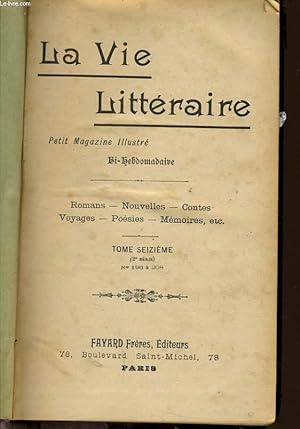
Published by FAYARD FRERES EDITEURS
- Hardcover
Seller: Le-Livre, SABLONS, , FranceLe-Livre
Contact seller5-star sellerCondition: Used - Near fine
US$ 42.42
US$ 48.33 shippingShips from France to U.S.A.Quantity: 1 available
Couverture rigide. Condition: bon. R240005460: NON DATE. In-12. Cartonné. Etat d'usage, Coins frottés, Dos fané, Rousseurs. 624 pages. Nombreuses illustrations en noir et blanc, dans le texte. Dos toilé violet avec pièce de titre. . . . Classification Dewey : 840-Littératures des langues romanes. Littérature française.
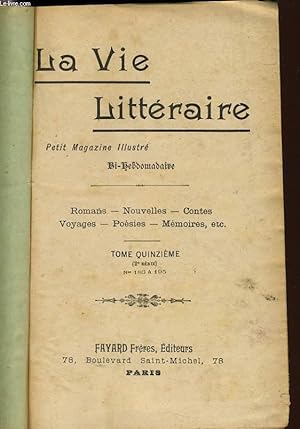
Published by FAYARD FRERES EDITEURS
- Hardcover
Seller: Le-Livre, SABLONS, , FranceLe-Livre
Contact seller5-star sellerCondition: Used - Near fine
US$ 42.42
US$ 48.33 shippingShips from France to U.S.A.Quantity: 1 available
Couverture rigide. Condition: bon. R240005459: NON DATE. In-12. Cartonné. Etat d'usage, Coins frottés, Dos fané, Rousseurs. 624 pages. Nombreuses illustrations en noir et blanc, dans le texte. Dos toilé violet avec pièce de titre. . . . Classification Dewey : 840-Littératures des langues romanes. Littérature française.

Published by FAYARD FRERES EDITEURS
- Hardcover
Seller: Le-Livre, SABLONS, , FranceLe-Livre
Contact seller5-star sellerCondition: Used - Near fine
US$ 42.42
US$ 48.33 shippingShips from France to U.S.A.Quantity: 1 available
Couverture rigide. Condition: bon. R240005463: NON DATE. In-12. Cartonné. Etat d'usage, Coins frottés, Dos fané, Rousseurs. 624 pages. Nombreuses illustrations en noir et blanc, dans le texte. Dos toilé violet avec pièce de titre. . . . Classification Dewey : 840-Littératures des langues romanes. Littérature française.

Published by FAYARD FRERES EDITEURS
- Hardcover
Seller: Le-Livre, SABLONS, , FranceLe-Livre
Contact seller5-star sellerCondition: Used - Near fine
US$ 42.42
US$ 48.33 shippingShips from France to U.S.A.Quantity: 1 available
Couverture rigide. Condition: bon. R240005465: NON DATE. In-12. Cartonné. Bon état, Couv. convenable, Dos satisfaisant, Intérieur frais. 622 pages. Nombreuses illustrations en noir et blanc, dans le texte. Dos toilé violet avec pièce de titre. Manque page de titre. . . . Classification Dewey : 840-Littératures des langues romane…s. Littérature française.

Published by FAYARD FRERES EDITEURS
- Hardcover
Seller: Le-Livre, SABLONS, , FranceLe-Livre
Contact seller5-star sellerCondition: Used - Near fine
US$ 42.42
US$ 48.33 shippingShips from France to U.S.A.Quantity: 1 available
Couverture rigide. Condition: bon. R240005464: NON DATE. In-12. Cartonné. Etat d'usage, Coins frottés, Dos fané, Rousseurs. 624 pages. Nombreuses illustrations en noir et blanc, dans le texte. Dos toilé violet avec pièce de titre. . . . Classification Dewey : 840-Littératures des langues romanes. Littérature française.


