

Order Total (1 Item Items):
Shipping Destination:

Dessin, Signed (Over 1,800 results)
Skip to main search results
Search filters
Product Type
- All Product Types
- Books (1,150)
- Magazines & Periodicals (1)
- Comics (16)
- Sheet Music (2)
- Art, Prints & Posters (579)
- Photographs (No further results match this refinement)
- Maps (No further results match this refinement)
- Manuscripts & Paper Collectibles (95)
Condition Learn more
Collectible Attributes
Language (8)
Free Shipping
Seller Location
Seller Rating
-

Le Dessin Francais; De Manet a Cezanne
Published by Lausanne, 1954
Seller: Argosy Book Store, ABAA, ILAB, New York, NY, U.S.A.
Seller rating 5 out of 5 stars

Signed
hardcover. Condition: very good. Dust Jacket Condition: poor. 46 plates. 67 pages. Slim 8vo, pale cloth, tattered d.w. Lausanne, (1954). A very good copy in a poor dust wrapper. Inscribed by the author.
-
La Vie Errante; suivi de Remarques sur le Dessin
Seller: McBlain Books, ABAA, Hamden, CT, U.S.A.
Association Member: ABAA ILAB SNEAB
Seller rating 5 out of 5 stars
Signed
Condition: Fine. 231p. Original wrapper. 21 cm. French text. INSCRIBED on half-title by Bonnefoy (as "Yves"). French text. From the library of Thomas and Liliane Greene. Signed.
-
Dessin: "Couleur Ardèche" (ferme au toit de genéts au pied du Gerbier de Jonc).
Published by Ucel, chez l'artiste,, 1977
Seller: Librairie ancienne du Vivarais, Saint Etienne de Boulogne, France
Seller rating 5 out of 5 stars
Signed
carte postale en couleurs de 10 x 15 cm, illustré par le peintre André Pazdzerski, avec un envoi autographe, signé de cet artiste. Reliure:
-

Seventeenth Edition. Fine copy in the original stiff-card wrappers. Particularly and surprisingly well-preserved; tight, bright, clean and especially sharp-cornered. Unread copy with pages unopened. Signed by the author. ; 8vo 8" - 9" tall; 80 pages; Description: 80 p. : ill. ; 19 cm. Subjects: French poetry. 3 Kg.
-
L'Ecriture, un dessin, un message
Language: French
Published by Éditions La Liberté, Sainte-Foy, 1984
ISBN 10: 289084028X ISBN 13: 9782890840287
Signed
Couverture souple. Condition: Très bon. 172 p., ill, carte, fac-sim., 22 cm. Méthode de Graphologie. Couverture porte de petites imperfections. Plusieurs pages ont le coin un peu plié. Autrement, un très bel exemplaire. Pages propres, reliure solide. Dédicacé par l'auteur.
-

Seventeenth Edition. Fine copy in the original stiff-card wrappers. Particularly and surprisingly well-preserved; tight, bright, clean and especially sharp-cornered. Unread copy with pages unopened. Signed by the author. ; 8vo 8" - 9" tall; 80 pages; Description: 80 p. : ill. ; 19 cm. Subjects: French poetry. 1 Kg.
-
Interminable Sang , Poèmes , Avant dire de Paul Chaulot , dessin de Maxime Darnaud , Envoi autographe dédicace de Guy Benoit à Georges Emmanuel Clancier
Language: French
Published by Collection Grand fond , José Millas Martin, Paris, 1969
First Edition Signed
Couverture souple. Condition: Comme neuf. Maxime Darnaud (illustrator). 1ère Édition. Avec un envoi autographe dédicace de Guy Benoît à Georges Emmanuel Clancier sur la page de titre. Un dessin de Maxime Darnaud. Broché, état proche du neuf, 59 p. Dédicacé par l'auteur.
-

Choix de Poèmes. Préface de A.-M. GOSSEZ. Portrait gravé sur bois d'après un dessin de Tristan KINGSOR.
Published by Eugène Figuière, Collection "Choix De Poèmes", 1933
First Edition Signed
In-12 carré ( 195 X 140 mm ) de 191 pages, broché sous couverture illustrée. Préface de A.-M. GOSSEZ. Portrait gravé sur bois d'après un dessin de Tristan KLINGSOR. Edition originale. Bel exemplaire, non coupé enrichi d'un envoi autographe signé de l'auteur. Littérature Edition-Originale Autographe.
-

L'ENTRE - TROIS - GUERRES DE PAUL VALERY. Appendice. Six lettres de Paul Valéry Couverture Hugues Drouot. Dessin de Paul Valéry
Published by Editions Jacqueline Chambon, 1994
Seller: Librairie CLERC, Montpellier, France
Association Member: ILAB
Seller rating 5 out of 5 stars
Signed
Couverture souple. Condition: Très bon. Un volume in8,broché,(14x20,5cm),couverture illustrée,84 pages,2 pages avec traits au crayon en marge pour repérer des paragraphes, envoi à M. Alain Peyrefitte. Dédicacé par l'auteur.
-

"Question dificile" - Soldaten soldiers / caricature Karikatur / Nationalsozialismus / Third Reich Drittes Reich / Nazismus Nazism Nazisme / drawing dessin Zeichnung
Language: French
Published by ca. 1940., 1940
Seller: Antiquariat Steffen Völkel GmbH, Seubersdorf, Germany
Seller rating 5 out of 5 stars
Art / Print / Poster Signed
Original signierte Zeichnung von André Girard von ca. 1940. Auf dünnem Karton aufmontiert. -- Maße: ca. 13,5 x 10,5 cm. -- gut erhalten. || Original drawing signed by André Girard, from c. 1940. -- Laid down on thin cardboard. -- in good condition. || Dessin original d'André Girard de c. 1940.|| André Girard (1901-1968) was a French painter, poster-maker, and Resistance worker known for founding and leading the CARTE network a French Resistance network during WWII. Born in Chinon, Girard studied at the École des Beaux-Arts and served in the military before pursuing a career as a painter, caricaturist, and theatre set designer. He gained recognition as a prominent poster designer during the 1930s in Paris. He produced, among others, advertising posters for Duco (1928-29), Peugeot (1930), Mercier Frères (1930), Gitanes cigarettes (1930), Marconi (1935) Dubonnet, The Capehart, Shell.He travelled to France and throughout Europe, and fell under the spell of Venice. In 1937, he embarked for New York and his career as a painter took off. In 1938, he exhibited at the Sullivan Gallery on Park Avenue. As soon as Hitler came to power in Germany, he published numerous political cartoons in the press, Les Échos, Paris-Midi, Paris-Soir, Match, Marianne, Le Rire16. These were published in 2005 under the title Hitler, Stalin et compagne. Dessins politiques de 1934 a 1942 with a preface by Daniele Delorme. Many of his drawings from that time resemble the style of German-American artist George Grosz (1893-1959). During the war, Girard married Andrée Jouan and had four daughters. Refusing to witness the German occupation of Paris, he relocated to the Antibes, where he painted his daughters and established the CARTE network. Although initially apolitical, Girard became involved in recruiting and espionage activities, preparing for an armed uprising against the Germans. Following SOE orders, he flew to England in February 1942 and subsequently went into self-imposed exile in the United States of America. Despite learning about his wife's arrest and deportation to the Ravensbrück concentration camp (she was released in 1945), Girard broke ties with SOE. In post-war New York, Girard produced religious paintings, such as the Stations of the Cross and Apocalypse. In 1952, he decorated churches in New York, Vermont, and California. In 1947, he published the work entitled "Peut-on dire la vérité sur la Résistance," offering important corrections to Bénouville's book "Le Sacrifice du matin." Girard passed away in the United States in 1968 and was buried there. He received the American Legion of Merit in recognition of his contributions. || André Girard (1901-1968) était un peintre, affichiste et résistant français connu pour avoir fondé et dirigé le réseau CARTE - un réseau de la Résistance française pendant la Seconde Guerre mondiale. Né à Chinon, Girard étudie à l'École des Beaux-Arts et sert dans l'armée avant de poursuivre une carrière de peintre, caricaturiste et décorateur de théâtre. Il est reconnu comme un affichiste de premier plan dans les années 1930 à Paris. Il réalise, entre autres, des affiches publicitaires pour Duco (1928-29), Peugeot (1930), Mercier Frères (1930), Gitanes cigarettes (1930), Marconi (1935) Dubonnet, La Capehart, Shell. Il voyage en France et dans toute l'Europe, et tombe sous le charme de Venise. En 1937, il embarque pour New York et sa carrière de peintre décolle. En 1938, il expose à la Sullivan Gallery sur Park Avenue. Dès l'arrivée au pouvoir d'Hitler en Allemagne, il publie de nombreuses caricatures politiques dans la presse, "Les Échos", "Paris-Midi", "Paris-Soir", "Match", "Marianne", "Le Rire16". Celles-ci ont été publiées en 2005 sous le titre Hitler, Staline et compagnie. Dessins politiques de 1934 à 1942 », préfacé par Danièle Delorme. Beaucoup de ses dessins de cette époque ressemblent au style de l'artiste germano-américain George Grosz (1893-1959). Pendant la guerre, Girard épouse Andrée Jouan et a quatre filles. Refusant d'assister à l'occupation allemande de Paris, il s'installe à Antibes, où il peint ses filles et fonde le réseau CARTE. Bien qu'initialement apolitique, Girard s'est impliqué dans des activités de recrutement et d'espionnage, préparant un soulèvement armé contre les Allemands. Suite aux ordres du SOE, il s'est envolé pour l'Angleterre en février 1942 et s'est ensuite exilé aux États-Unis d'Amérique. Bien qu'il ait appris l'arrestation et la déportation de sa femme vers le camp de concentration de Ravensbrück (elle a été libérée en 1945), Girard a rompu les liens avec le SOE. Dans le New York d'après-guerre, Girard a produit des peintures religieuses, telles que le chemin de croix et l'Apocalypse. En 1952, il décore des églises à New York, au Vermont et en Californie. En 1947, il publie l'ouvrage intitulé "Peut-on dire la vérité sur la Résistance", apportant d'importantes corrections au livre de Bénouville "Le Sacrifice du matin". Girard est décédé aux États-Unis en 1968 et y a été enterré. Il a reçu la Légion américaine du mérite en reconnaissance de ses contributions. || André Girard (19011968) war ein französischer Maler, Plakatmacher und Widerstandskämpfer, der für die Gründung und Leitung des CARTE-Netzwerks eines französischen Widerstandsnetzwerks während des Zweiten Weltkriegs bekannt war. Der in Chinon geborene Girard studierte an der École des Beaux-Arts und diente beim Militär, bevor er eine Karriere als Maler, Karikaturist und Bühnenbildner für Theater einschlug. In den 1930er Jahren erlangte er in Paris Anerkennung als prominenter Plakatgestalter. Er produzierte unter anderem Werbeplakate für Duco (192829), Peugeot (1930), Mercier Frères (1930), Gitanes-Zigaretten (1930), Marconi (1935), Dubonnet, The Capehart, Shell. Er bereiste Frankreich und ganz Europa und geriet in den Bann Venedigs. 1937 schiffte er sich nach New York ein und seine Karriere als Maler begann. 1938 stellte er in der Sullivan Gallery in der Park Avenue aus. Sobald Hitler.
-

"Je l'ai vu tout de suite que t'etais pas aviateur." - Couple Liebespaar / aviator Flieger / caricature Karikatur / drawing dessin Zeichnung
Language: French
Published by ca. 1940., 1940
Seller: Antiquariat Steffen Völkel GmbH, Seubersdorf, Germany
Seller rating 5 out of 5 stars
Art / Print / Poster Signed
Original signierte Zeichnung von André Girard von ca. 1940. Auf dünnem Karton aufmontiert. -- Maße: ca. 12 x 9,5 cm. -- gut erhalten. || Original drawing signed by André Girard, from c. 1940. -- Laid down on thin cardboard. -- in good condition. || Dessin original d'André Girard de c. 1940.|| André Girard (1901-1968) was a French painter, poster-maker, and Resistance worker known for founding and leading the CARTE network a French Resistance network during WWII. Born in Chinon, Girard studied at the École des Beaux-Arts and served in the military before pursuing a career as a painter, caricaturist, and theatre set designer. He gained recognition as a prominent poster designer during the 1930s in Paris. He produced, among others, advertising posters for Duco (1928-29), Peugeot (1930), Mercier Frères (1930), Gitanes cigarettes (1930), Marconi (1935) Dubonnet, The Capehart, Shell.He travelled to France and throughout Europe, and fell under the spell of Venice. In 1937, he embarked for New York and his career as a painter took off. In 1938, he exhibited at the Sullivan Gallery on Park Avenue. As soon as Hitler came to power in Germany, he published numerous political cartoons in the press, Les Échos, Paris-Midi, Paris-Soir, Match, Marianne, Le Rire16. These were published in 2005 under the title Hitler, Stalin et compagne. Dessins politiques de 1934 a 1942 with a preface by Daniele Delorme. Many of his drawings from that time resemble the style of German-American artist George Grosz (1893-1959). During the war, Girard married Andrée Jouan and had four daughters. Refusing to witness the German occupation of Paris, he relocated to the Antibes, where he painted his daughters and established the CARTE network. Although initially apolitical, Girard became involved in recruiting and espionage activities, preparing for an armed uprising against the Germans. Following SOE orders, he flew to England in February 1942 and subsequently went into self-imposed exile in the United States of America. Despite learning about his wife's arrest and deportation to the Ravensbrück concentration camp (she was released in 1945), Girard broke ties with SOE. In post-war New York, Girard produced religious paintings, such as the Stations of the Cross and Apocalypse. In 1952, he decorated churches in New York, Vermont, and California. In 1947, he published the work entitled "Peut-on dire la vérité sur la Résistance," offering important corrections to Bénouville's book "Le Sacrifice du matin." Girard passed away in the United States in 1968 and was buried there. He received the American Legion of Merit in recognition of his contributions. || André Girard (1901-1968) était un peintre, affichiste et résistant français connu pour avoir fondé et dirigé le réseau CARTE - un réseau de la Résistance française pendant la Seconde Guerre mondiale. Né à Chinon, Girard étudie à l'École des Beaux-Arts et sert dans l'armée avant de poursuivre une carrière de peintre, caricaturiste et décorateur de théâtre. Il est reconnu comme un affichiste de premier plan dans les années 1930 à Paris. Il réalise, entre autres, des affiches publicitaires pour Duco (1928-29), Peugeot (1930), Mercier Frères (1930), Gitanes cigarettes (1930), Marconi (1935) Dubonnet, La Capehart, Shell. Il voyage en France et dans toute l'Europe, et tombe sous le charme de Venise. En 1937, il embarque pour New York et sa carrière de peintre décolle. En 1938, il expose à la Sullivan Gallery sur Park Avenue. Dès l'arrivée au pouvoir d'Hitler en Allemagne, il publie de nombreuses caricatures politiques dans la presse, "Les Échos", "Paris-Midi", "Paris-Soir", "Match", "Marianne", "Le Rire16". Celles-ci ont été publiées en 2005 sous le titre Hitler, Staline et compagnie. Dessins politiques de 1934 à 1942 », préfacé par Danièle Delorme. Beaucoup de ses dessins de cette époque ressemblent au style de l'artiste germano-américain George Grosz (1893-1959). Pendant la guerre, Girard épouse Andrée Jouan et a quatre filles. Refusant d'assister à l'occupation allemande de Paris, il s'installe à Antibes, où il peint ses filles et fonde le réseau CARTE. Bien qu'initialement apolitique, Girard s'est impliqué dans des activités de recrutement et d'espionnage, préparant un soulèvement armé contre les Allemands. Suite aux ordres du SOE, il s'est envolé pour l'Angleterre en février 1942 et s'est ensuite exilé aux États-Unis d'Amérique. Bien qu'il ait appris l'arrestation et la déportation de sa femme vers le camp de concentration de Ravensbrück (elle a été libérée en 1945), Girard a rompu les liens avec le SOE. Dans le New York d'après-guerre, Girard a produit des peintures religieuses, telles que le chemin de croix et l'Apocalypse. En 1952, il décore des églises à New York, au Vermont et en Californie. En 1947, il publie l'ouvrage intitulé "Peut-on dire la vérité sur la Résistance", apportant d'importantes corrections au livre de Bénouville "Le Sacrifice du matin". Girard est décédé aux États-Unis en 1968 et y a été enterré. Il a reçu la Légion américaine du mérite en reconnaissance de ses contributions. || André Girard (19011968) war ein französischer Maler, Plakatmacher und Widerstandskämpfer, der für die Gründung und Leitung des CARTE-Netzwerks eines französischen Widerstandsnetzwerks während des Zweiten Weltkriegs bekannt war. Der in Chinon geborene Girard studierte an der École des Beaux-Arts und diente beim Militär, bevor er eine Karriere als Maler, Karikaturist und Bühnenbildner für Theater einschlug. In den 1930er Jahren erlangte er in Paris Anerkennung als prominenter Plakatgestalter. Er produzierte unter anderem Werbeplakate für Duco (192829), Peugeot (1930), Mercier Frères (1930), Gitanes-Zigaretten (1930), Marconi (1935), Dubonnet, The Capehart, Shell. Er bereiste Frankreich und ganz Europa und geriet in den Bann Venedigs. 1937 schiffte er sich nach New York ein und seine Karriere als Maler begann. 1938 stellte er in der Sullivan Gallery in der Park Avenue aus. Sobald Hitler in.
-

"Regardes. Hayotte." - One man with two women, possibly flirting / caricature Karikatur / Nationalsozialismus / drawing dessin Zeichnung
Language: French
Published by ca. 1940., 1940
Seller: Antiquariat Steffen Völkel GmbH, Seubersdorf, Germany
Seller rating 5 out of 5 stars
Art / Print / Poster Signed
Original signierte Zeichnung von André Girard von ca. 1940. Auf dünnem Karton aufmontiert. -- Maße: ca. 10 x 7 cm. -- gut erhalten. || Original drawing signed by André Girard, from c. 1940. -- Laid down on thin cardboard. -- in good condition. || Dessin original d'André Girard de c. 1940.|| André Girard (1901-1968) was a French painter, poster-maker, and Resistance worker known for founding and leading the CARTE network a French Resistance network during WWII. Born in Chinon, Girard studied at the École des Beaux-Arts and served in the military before pursuing a career as a painter, caricaturist, and theatre set designer. He gained recognition as a prominent poster designer during the 1930s in Paris. He produced, among others, advertising posters for Duco (1928-29), Peugeot (1930), Mercier Frères (1930), Gitanes cigarettes (1930), Marconi (1935) Dubonnet, The Capehart, Shell.He travelled to France and throughout Europe, and fell under the spell of Venice. In 1937, he embarked for New York and his career as a painter took off. In 1938, he exhibited at the Sullivan Gallery on Park Avenue. As soon as Hitler came to power in Germany, he published numerous political cartoons in the press, Les Échos, Paris-Midi, Paris-Soir, Match, Marianne, Le Rire16. These were published in 2005 under the title Hitler, Stalin et compagne. Dessins politiques de 1934 a 1942 with a preface by Daniele Delorme. Many of his drawings from that time resemble the style of German-American artist George Grosz (1893-1959). During the war, Girard married Andrée Jouan and had four daughters. Refusing to witness the German occupation of Paris, he relocated to the Antibes, where he painted his daughters and established the CARTE network. Although initially apolitical, Girard became involved in recruiting and espionage activities, preparing for an armed uprising against the Germans. Following SOE orders, he flew to England in February 1942 and subsequently went into self-imposed exile in the United States of America. Despite learning about his wife's arrest and deportation to the Ravensbrück concentration camp (she was released in 1945), Girard broke ties with SOE. In post-war New York, Girard produced religious paintings, such as the Stations of the Cross and Apocalypse. In 1952, he decorated churches in New York, Vermont, and California. In 1947, he published the work entitled "Peut-on dire la vérité sur la Résistance," offering important corrections to Bénouville's book "Le Sacrifice du matin." Girard passed away in the United States in 1968 and was buried there. He received the American Legion of Merit in recognition of his contributions. || André Girard (1901-1968) était un peintre, affichiste et résistant français connu pour avoir fondé et dirigé le réseau CARTE - un réseau de la Résistance française pendant la Seconde Guerre mondiale. Né à Chinon, Girard étudie à l'École des Beaux-Arts et sert dans l'armée avant de poursuivre une carrière de peintre, caricaturiste et décorateur de théâtre. Il est reconnu comme un affichiste de premier plan dans les années 1930 à Paris. Il réalise, entre autres, des affiches publicitaires pour Duco (1928-29), Peugeot (1930), Mercier Frères (1930), Gitanes cigarettes (1930), Marconi (1935) Dubonnet, La Capehart, Shell. Il voyage en France et dans toute l'Europe, et tombe sous le charme de Venise. En 1937, il embarque pour New York et sa carrière de peintre décolle. En 1938, il expose à la Sullivan Gallery sur Park Avenue. Dès l'arrivée au pouvoir d'Hitler en Allemagne, il publie de nombreuses caricatures politiques dans la presse, "Les Échos", "Paris-Midi", "Paris-Soir", "Match", "Marianne", "Le Rire16". Celles-ci ont été publiées en 2005 sous le titre Hitler, Staline et compagnie. Dessins politiques de 1934 à 1942 », préfacé par Danièle Delorme. Beaucoup de ses dessins de cette époque ressemblent au style de l'artiste germano-américain George Grosz (1893-1959). Pendant la guerre, Girard épouse Andrée Jouan et a quatre filles. Refusant d'assister à l'occupation allemande de Paris, il s'installe à Antibes, où il peint ses filles et fonde le réseau CARTE. Bien qu'initialement apolitique, Girard s'est impliqué dans des activités de recrutement et d'espionnage, préparant un soulèvement armé contre les Allemands. Suite aux ordres du SOE, il s'est envolé pour l'Angleterre en février 1942 et s'est ensuite exilé aux États-Unis d'Amérique. Bien qu'il ait appris l'arrestation et la déportation de sa femme vers le camp de concentration de Ravensbrück (elle a été libérée en 1945), Girard a rompu les liens avec le SOE. Dans le New York d'après-guerre, Girard a produit des peintures religieuses, telles que le chemin de croix et l'Apocalypse. En 1952, il décore des églises à New York, au Vermont et en Californie. En 1947, il publie l'ouvrage intitulé "Peut-on dire la vérité sur la Résistance", apportant d'importantes corrections au livre de Bénouville "Le Sacrifice du matin". Girard est décédé aux États-Unis en 1968 et y a été enterré. Il a reçu la Légion américaine du mérite en reconnaissance de ses contributions. || André Girard (19011968) war ein französischer Maler, Plakatmacher und Widerstandskämpfer, der für die Gründung und Leitung des CARTE-Netzwerks eines französischen Widerstandsnetzwerks während des Zweiten Weltkriegs bekannt war. Der in Chinon geborene Girard studierte an der École des Beaux-Arts und diente beim Militär, bevor er eine Karriere als Maler, Karikaturist und Bühnenbildner für Theater einschlug. In den 1930er Jahren erlangte er in Paris Anerkennung als prominenter Plakatgestalter. Er produzierte unter anderem Werbeplakate für Duco (192829), Peugeot (1930), Mercier Frères (1930), Gitanes-Zigaretten (1930), Marconi (1935), Dubonnet, The Capehart, Shell. Er bereiste Frankreich und ganz Europa und geriet in den Bann Venedigs. 1937 schiffte er sich nach New York ein und seine Karriere als Maler begann. 1938 stellte er in der Sullivan Gallery in der Park Avenue aus. Sobald Hitler in D.
-

"- S'etes malade? moi aussi, vous irez a l'exercise." - soldier Soldat officer Offizier / caricature Karikatur / drawing dessin Zeichnung
Language: French
Published by ca. 1940., 1940
Seller: Antiquariat Steffen Völkel GmbH, Seubersdorf, Germany
Seller rating 5 out of 5 stars
Art / Print / Poster Signed
Original signierte Zeichnung von André Girard von ca. 1940. Auf dünnem Karton aufmontiert. -- Maße: ca. 12 x 10 cm. -- gut erhalten. || Original drawing signed by André Girard, from c. 1940. -- Laid down on thin cardboard. -- in good condition. || Dessin original d'André Girard de c. 1940.|| André Girard (1901-1968) was a French painter, poster-maker, and Resistance worker known for founding and leading the CARTE network a French Resistance network during WWII. Born in Chinon, Girard studied at the École des Beaux-Arts and served in the military before pursuing a career as a painter, caricaturist, and theatre set designer. He gained recognition as a prominent poster designer during the 1930s in Paris. He produced, among others, advertising posters for Duco (1928-29), Peugeot (1930), Mercier Frères (1930), Gitanes cigarettes (1930), Marconi (1935) Dubonnet, The Capehart, Shell.He travelled to France and throughout Europe, and fell under the spell of Venice. In 1937, he embarked for New York and his career as a painter took off. In 1938, he exhibited at the Sullivan Gallery on Park Avenue. As soon as Hitler came to power in Germany, he published numerous political cartoons in the press, Les Échos, Paris-Midi, Paris-Soir, Match, Marianne, Le Rire16. These were published in 2005 under the title Hitler, Stalin et compagne. Dessins politiques de 1934 a 1942 with a preface by Daniele Delorme. Many of his drawings from that time resemble the style of German-American artist George Grosz (1893-1959). During the war, Girard married Andrée Jouan and had four daughters. Refusing to witness the German occupation of Paris, he relocated to the Antibes, where he painted his daughters and established the CARTE network. Although initially apolitical, Girard became involved in recruiting and espionage activities, preparing for an armed uprising against the Germans. Following SOE orders, he flew to England in February 1942 and subsequently went into self-imposed exile in the United States of America. Despite learning about his wife's arrest and deportation to the Ravensbrück concentration camp (she was released in 1945), Girard broke ties with SOE. In post-war New York, Girard produced religious paintings, such as the Stations of the Cross and Apocalypse. In 1952, he decorated churches in New York, Vermont, and California. In 1947, he published the work entitled "Peut-on dire la vérité sur la Résistance," offering important corrections to Bénouville's book "Le Sacrifice du matin." Girard passed away in the United States in 1968 and was buried there. He received the American Legion of Merit in recognition of his contributions. || André Girard (1901-1968) était un peintre, affichiste et résistant français connu pour avoir fondé et dirigé le réseau CARTE - un réseau de la Résistance française pendant la Seconde Guerre mondiale. Né à Chinon, Girard étudie à l'École des Beaux-Arts et sert dans l'armée avant de poursuivre une carrière de peintre, caricaturiste et décorateur de théâtre. Il est reconnu comme un affichiste de premier plan dans les années 1930 à Paris. Il réalise, entre autres, des affiches publicitaires pour Duco (1928-29), Peugeot (1930), Mercier Frères (1930), Gitanes cigarettes (1930), Marconi (1935) Dubonnet, La Capehart, Shell. Il voyage en France et dans toute l'Europe, et tombe sous le charme de Venise. En 1937, il embarque pour New York et sa carrière de peintre décolle. En 1938, il expose à la Sullivan Gallery sur Park Avenue. Dès l'arrivée au pouvoir d'Hitler en Allemagne, il publie de nombreuses caricatures politiques dans la presse, "Les Échos", "Paris-Midi", "Paris-Soir", "Match", "Marianne", "Le Rire16". Celles-ci ont été publiées en 2005 sous le titre Hitler, Staline et compagnie. Dessins politiques de 1934 à 1942 », préfacé par Danièle Delorme. Beaucoup de ses dessins de cette époque ressemblent au style de l'artiste germano-américain George Grosz (1893-1959). Pendant la guerre, Girard épouse Andrée Jouan et a quatre filles. Refusant d'assister à l'occupation allemande de Paris, il s'installe à Antibes, où il peint ses filles et fonde le réseau CARTE. Bien qu'initialement apolitique, Girard s'est impliqué dans des activités de recrutement et d'espionnage, préparant un soulèvement armé contre les Allemands. Suite aux ordres du SOE, il s'est envolé pour l'Angleterre en février 1942 et s'est ensuite exilé aux États-Unis d'Amérique. Bien qu'il ait appris l'arrestation et la déportation de sa femme vers le camp de concentration de Ravensbrück (elle a été libérée en 1945), Girard a rompu les liens avec le SOE. Dans le New York d'après-guerre, Girard a produit des peintures religieuses, telles que le chemin de croix et l'Apocalypse. En 1952, il décore des églises à New York, au Vermont et en Californie. En 1947, il publie l'ouvrage intitulé "Peut-on dire la vérité sur la Résistance", apportant d'importantes corrections au livre de Bénouville "Le Sacrifice du matin". Girard est décédé aux États-Unis en 1968 et y a été enterré. Il a reçu la Légion américaine du mérite en reconnaissance de ses contributions. || André Girard (19011968) war ein französischer Maler, Plakatmacher und Widerstandskämpfer, der für die Gründung und Leitung des CARTE-Netzwerks eines französischen Widerstandsnetzwerks während des Zweiten Weltkriegs bekannt war. Der in Chinon geborene Girard studierte an der École des Beaux-Arts und diente beim Militär, bevor er eine Karriere als Maler, Karikaturist und Bühnenbildner für Theater einschlug. In den 1930er Jahren erlangte er in Paris Anerkennung als prominenter Plakatgestalter. Er produzierte unter anderem Werbeplakate für Duco (192829), Peugeot (1930), Mercier Frères (1930), Gitanes-Zigaretten (1930), Marconi (1935), Dubonnet, The Capehart, Shell. Er bereiste Frankreich und ganz Europa und geriet in den Bann Venedigs. 1937 schiffte er sich nach New York ein und seine Karriere als Maler begann. 1938 stellte er in der Sullivan Gallery in der Park Avenue aus. Sobald Hitler in.
-

"En Allemagne" - Germany Deutschland / caricature Karikatur / drawing dessin Zeichnung
Language: French
Published by ca. 1940., 1940
Seller: Antiquariat Steffen Völkel GmbH, Seubersdorf, Germany
Seller rating 5 out of 5 stars
Art / Print / Poster Signed
Original signierte Zeichnung von André Girard von ca. 1940. Auf dünnem Karton aufmontiert. -- Maße: ca. 10,5 x 14 cm. -- gut erhalten. || Original drawing signed by André Girard, from c. 1940. -- Laid down on thin cardboard. -- in good condition. || Dessin original d'André Girard de c. 1940.|| André Girard (1901-1968) was a French painter, poster-maker, and Resistance worker known for founding and leading the CARTE network a French Resistance network during WWII. Born in Chinon, Girard studied at the École des Beaux-Arts and served in the military before pursuing a career as a painter, caricaturist, and theatre set designer. He gained recognition as a prominent poster designer during the 1930s in Paris. He produced, among others, advertising posters for Duco (1928-29), Peugeot (1930), Mercier Frères (1930), Gitanes cigarettes (1930), Marconi (1935) Dubonnet, The Capehart, Shell.He travelled to France and throughout Europe, and fell under the spell of Venice. In 1937, he embarked for New York and his career as a painter took off. In 1938, he exhibited at the Sullivan Gallery on Park Avenue. As soon as Hitler came to power in Germany, he published numerous political cartoons in the press, Les Échos, Paris-Midi, Paris-Soir, Match, Marianne, Le Rire16. These were published in 2005 under the title Hitler, Stalin et compagne. Dessins politiques de 1934 a 1942 with a preface by Daniele Delorme. Many of his drawings from that time resemble the style of German-American artist George Grosz (1893-1959). During the war, Girard married Andrée Jouan and had four daughters. Refusing to witness the German occupation of Paris, he relocated to the Antibes, where he painted his daughters and established the CARTE network. Although initially apolitical, Girard became involved in recruiting and espionage activities, preparing for an armed uprising against the Germans. Following SOE orders, he flew to England in February 1942 and subsequently went into self-imposed exile in the United States of America. Despite learning about his wife's arrest and deportation to the Ravensbrück concentration camp (she was released in 1945), Girard broke ties with SOE. In post-war New York, Girard produced religious paintings, such as the Stations of the Cross and Apocalypse. In 1952, he decorated churches in New York, Vermont, and California. In 1947, he published the work entitled "Peut-on dire la vérité sur la Résistance," offering important corrections to Bénouville's book "Le Sacrifice du matin." Girard passed away in the United States in 1968 and was buried there. He received the American Legion of Merit in recognition of his contributions. || André Girard (1901-1968) était un peintre, affichiste et résistant français connu pour avoir fondé et dirigé le réseau CARTE - un réseau de la Résistance française pendant la Seconde Guerre mondiale. Né à Chinon, Girard étudie à l'École des Beaux-Arts et sert dans l'armée avant de poursuivre une carrière de peintre, caricaturiste et décorateur de théâtre. Il est reconnu comme un affichiste de premier plan dans les années 1930 à Paris. Il réalise, entre autres, des affiches publicitaires pour Duco (1928-29), Peugeot (1930), Mercier Frères (1930), Gitanes cigarettes (1930), Marconi (1935) Dubonnet, La Capehart, Shell. Il voyage en France et dans toute l'Europe, et tombe sous le charme de Venise. En 1937, il embarque pour New York et sa carrière de peintre décolle. En 1938, il expose à la Sullivan Gallery sur Park Avenue. Dès l'arrivée au pouvoir d'Hitler en Allemagne, il publie de nombreuses caricatures politiques dans la presse, "Les Échos", "Paris-Midi", "Paris-Soir", "Match", "Marianne", "Le Rire16". Celles-ci ont été publiées en 2005 sous le titre Hitler, Staline et compagnie. Dessins politiques de 1934 à 1942 », préfacé par Danièle Delorme. Beaucoup de ses dessins de cette époque ressemblent au style de l'artiste germano-américain George Grosz (1893-1959). Pendant la guerre, Girard épouse Andrée Jouan et a quatre filles. Refusant d'assister à l'occupation allemande de Paris, il s'installe à Antibes, où il peint ses filles et fonde le réseau CARTE. Bien qu'initialement apolitique, Girard s'est impliqué dans des activités de recrutement et d'espionnage, préparant un soulèvement armé contre les Allemands. Suite aux ordres du SOE, il s'est envolé pour l'Angleterre en février 1942 et s'est ensuite exilé aux États-Unis d'Amérique. Bien qu'il ait appris l'arrestation et la déportation de sa femme vers le camp de concentration de Ravensbrück (elle a été libérée en 1945), Girard a rompu les liens avec le SOE. Dans le New York d'après-guerre, Girard a produit des peintures religieuses, telles que le chemin de croix et l'Apocalypse. En 1952, il décore des églises à New York, au Vermont et en Californie. En 1947, il publie l'ouvrage intitulé "Peut-on dire la vérité sur la Résistance", apportant d'importantes corrections au livre de Bénouville "Le Sacrifice du matin". Girard est décédé aux États-Unis en 1968 et y a été enterré. Il a reçu la Légion américaine du mérite en reconnaissance de ses contributions. || André Girard (19011968) war ein französischer Maler, Plakatmacher und Widerstandskämpfer, der für die Gründung und Leitung des CARTE-Netzwerks eines französischen Widerstandsnetzwerks während des Zweiten Weltkriegs bekannt war. Der in Chinon geborene Girard studierte an der École des Beaux-Arts und diente beim Militär, bevor er eine Karriere als Maler, Karikaturist und Bühnenbildner für Theater einschlug. In den 1930er Jahren erlangte er in Paris Anerkennung als prominenter Plakatgestalter. Er produzierte unter anderem Werbeplakate für Duco (192829), Peugeot (1930), Mercier Frères (1930), Gitanes-Zigaretten (1930), Marconi (1935), Dubonnet, The Capehart, Shell. Er bereiste Frankreich und ganz Europa und geriet in den Bann Venedigs. 1937 schiffte er sich nach New York ein und seine Karriere als Maler begann. 1938 stellte er in der Sullivan Gallery in der Park Avenue aus. Sobald Hitler i.
-

"-Voici mon dernier bon de credit municipal.ma pauvre vieille." - Bettler beggar / caricature Karikatur Nationalsozialismus / Third Reich Drittes Reich / Nazismus Nazism Nazisme / drawing dessin Zeichnung
Language: French
Published by ca. 1940., 1940
Seller: Antiquariat Steffen Völkel GmbH, Seubersdorf, Germany
Seller rating 5 out of 5 stars
Art / Print / Poster Signed
Original signierte Zeichnung von André Girard von ca. 1940. Auf dünnem Karton aufmontiert. -- Maße: ca. 10 x 10 cm. -- gut erhalten. || Original drawing signed by André Girard, from c. 1940. Mounted on thin cardboard. -- in good condition. || Dessin original d'André Girard de c. 1940.|| André Girard (1901-1968) was a French painter, poster-maker, and Resistance worker known for founding and leading the CARTE network a French Resistance network during WWII. Born in Chinon, Girard studied at the École des Beaux-Arts and served in the military before pursuing a career as a painter, caricaturist, and theatre set designer. He gained recognition as a prominent poster designer during the 1930s in Paris. He produced, among others, advertising posters for Duco (1928-29), Peugeot (1930), Mercier Frères (1930), Gitanes cigarettes (1930), Marconi (1935) Dubonnet, The Capehart, Shell.He travelled to France and throughout Europe, and fell under the spell of Venice. In 1937, he embarked for New York and his career as a painter took off. In 1938, he exhibited at the Sullivan Gallery on Park Avenue. As soon as Hitler came to power in Germany, he published numerous political cartoons in the press, Les Échos, Paris-Midi, Paris-Soir, Match, Marianne, Le Rire16. These were published in 2005 under the title Hitler, Stalin et compagne. Dessins politiques de 1934 a 1942 with a preface by Daniele Delorme. Many of his drawings from that time resemble the style of German-American artist George Grosz (1893-1959). During the war, Girard married Andrée Jouan and had four daughters. Refusing to witness the German occupation of Paris, he relocated to the Antibes, where he painted his daughters and established the CARTE network. Although initially apolitical, Girard became involved in recruiting and espionage activities, preparing for an armed uprising against the Germans. Following SOE orders, he flew to England in February 1942 and subsequently went into self-imposed exile in the United States of America. Despite learning about his wife's arrest and deportation to the Ravensbrück concentration camp (she was released in 1945), Girard broke ties with SOE. In post-war New York, Girard produced religious paintings, such as the Stations of the Cross and Apocalypse. In 1952, he decorated churches in New York, Vermont, and California. In 1947, he published the work entitled "Peut-on dire la vérité sur la Résistance," offering important corrections to Bénouville's book "Le Sacrifice du matin." Girard passed away in the United States in 1968 and was buried there. He received the American Legion of Merit in recognition of his contributions. || André Girard (1901-1968) était un peintre, affichiste et résistant français connu pour avoir fondé et dirigé le réseau CARTE - un réseau de la Résistance française pendant la Seconde Guerre mondiale. Né à Chinon, Girard étudie à l'École des Beaux-Arts et sert dans l'armée avant de poursuivre une carrière de peintre, caricaturiste et décorateur de théâtre. Il est reconnu comme un affichiste de premier plan dans les années 1930 à Paris. Il réalise, entre autres, des affiches publicitaires pour Duco (1928-29), Peugeot (1930), Mercier Frères (1930), Gitanes cigarettes (1930), Marconi (1935) Dubonnet, La Capehart, Shell. Il voyage en France et dans toute l'Europe, et tombe sous le charme de Venise. En 1937, il embarque pour New York et sa carrière de peintre décolle. En 1938, il expose à la Sullivan Gallery sur Park Avenue. Dès l'arrivée au pouvoir d'Hitler en Allemagne, il publie de nombreuses caricatures politiques dans la presse, "Les Échos", "Paris-Midi", "Paris-Soir", "Match", "Marianne", "Le Rire16". Celles-ci ont été publiées en 2005 sous le titre Hitler, Staline et compagnie. Dessins politiques de 1934 à 1942 », préfacé par Danièle Delorme. Beaucoup de ses dessins de cette époque ressemblent au style de l'artiste germano-américain George Grosz (1893-1959). Pendant la guerre, Girard épouse Andrée Jouan et a quatre filles. Refusant d'assister à l'occupation allemande de Paris, il s'installe à Antibes, où il peint ses filles et fonde le réseau CARTE. Bien qu'initialement apolitique, Girard s'est impliqué dans des activités de recrutement et d'espionnage, préparant un soulèvement armé contre les Allemands. Suite aux ordres du SOE, il s'est envolé pour l'Angleterre en février 1942 et s'est ensuite exilé aux États-Unis d'Amérique. Bien qu'il ait appris l'arrestation et la déportation de sa femme vers le camp de concentration de Ravensbrück (elle a été libérée en 1945), Girard a rompu les liens avec le SOE. Dans le New York d'après-guerre, Girard a produit des peintures religieuses, telles que le chemin de croix et l'Apocalypse. En 1952, il décore des églises à New York, au Vermont et en Californie. En 1947, il publie l'ouvrage intitulé "Peut-on dire la vérité sur la Résistance", apportant d'importantes corrections au livre de Bénouville "Le Sacrifice du matin". Girard est décédé aux États-Unis en 1968 et y a été enterré. Il a reçu la Légion américaine du mérite en reconnaissance de ses contributions. || André Girard (19011968) war ein französischer Maler, Plakatmacher und Widerstandskämpfer, der für die Gründung und Leitung des CARTE-Netzwerks eines französischen Widerstandsnetzwerks während des Zweiten Weltkriegs bekannt war. Der in Chinon geborene Girard studierte an der École des Beaux-Arts und diente beim Militär, bevor er eine Karriere als Maler, Karikaturist und Bühnenbildner für Theater einschlug. In den 1930er Jahren erlangte er in Paris Anerkennung als prominenter Plakatgestalter. Er produzierte unter anderem Werbeplakate für Duco (192829), Peugeot (1930), Mercier Frères (1930), Gitanes-Zigaretten (1930), Marconi (1935), Dubonnet, The Capehart, Shell. Er bereiste Frankreich und ganz Europa und geriet in den Bann Venedigs. 1937 schiffte er sich nach New York ein und seine Karriere als Maler begann. 1938 stellte er in der Sullivan Gallery in der Park Avenue aus. Sobald Hitler in Deuts.
-
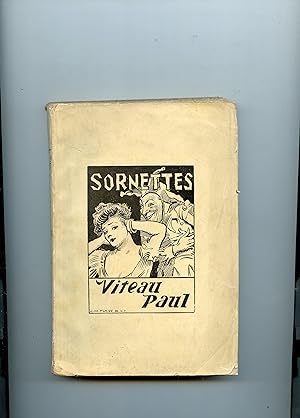
SORNETTES . Dessin de la couverture par J.M. Flagg , de New York .En - têtes et culs de lampe par Robert Kastor , de Paris . Titre du Répertoire par Constant Janvier , de Dinard
Published by Paris . Presses de Georges Noblet . sans date ,vers 1906, 1906
Seller: Librairie CLERC, Montpellier, France
Association Member: ILAB
Seller rating 5 out of 5 stars
Signed
Couverture souple. Condition: Assez bon. Un volume in12 , broché , ( 13,2 x 18,9 cm), couverture illustrée , 350 pages , envoi signé de l'auteur . Forte tache sur le second plat ,un pli angulaire sur premier et second plat , ,petit manque en tête et queue du dos , bon état intérieur .Peu courant. Dédicacé par l'auteur.
-
CONFIDENCES AU JARDIN. Avec un dessin original de Vaë.
Seller: Marc MALFANT - Librairie du Scalaire, LYON, France
Seller rating 5 out of 5 stars
First Edition Signed
Les Cahiers de France. 1942. Plaquette in-8° brochée. 28 pages. E.O. 1/250 sur offset du tirage de base. Envoi autographe de l'auteur à Marie-Claire [Lébédeff]. Très bon état.
-
L'opposition La prise du pouvoir II Oratorio , Avec un dessin de Spacagna , Envoi autographe dédicace de Oleg Ibrahimoff
Language: French
Published by Les amis de Métamorphoses, 1974
First Edition Signed
Couverture souple. Condition: Comme neuf. Jacques Spacagna (illustrator). Edition Originale. Avec un envoi autographe dédicace d'Oleg Ibrahimoff. Edition originale, tirage limité à 500 exemplaires. Brché, non coupé, état proche du neuf, 45 p. AB 1003-18. Dédicacé par l'auteur.
-

PRO PATRIA. Stances, avec un dessin par Edouard DETAILLE.
Published by Calmann Lévy, Editeur, 1879
First Edition Signed
In-16 ( 150 X 100 mm ) de [6]-5 pages, broché. Dessin par Edouard DETAILLE hors-texte. Bon exemplaire de l'édition originale enrichi d'un envoi autographe signé de l'auteur. litterature edition-originale poésie envoi autographe.
-
Rouge Bordeaux. Couleur locale [ Exemplaire dédicacé, avec un dessin original de l'auteur]
Language: French
Published by Mis en page à la Propriété par Lucien, 2000
Signed
souple. Condition: Bon. 1 vol. in-8 br, Mis en page à la Propriété par Lucien, 2000, 120 pp. Beau dessin de dédicace en garde. Bel exemplaire de cet ouvrage plein d'humour, par un artiste aquitain, amoureux de sa région. Langue: Français. signé par l'auteur.
-

Soft cover. Condition: Fine (Book Condition). Inscribed and signed by Artist[Our rating system: 1.Fine; 2. Near fine; 3. Very good; 4. Good; 5. Fair.]. Inscribed and signed By Artist. Book.
-
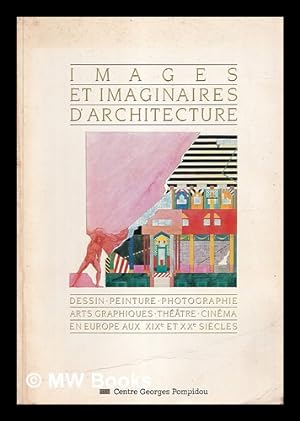
Images et imaginaires d'architecture : dessin, peinture, photographie, arts graphiques, théâtre, cinéma en Europe aux XIXe et XXe siècles
Published by Paris : Centre national d'art et de culture Georges Pompidou, 1984
First Edition Signed
1st edition. Presentation copy. Good paperback copy; edges somewhat dust-dulled and nicked. Remains quite well-preserved overall. Physical description; 434 pp.: illustrations (some color) ; 30 cm. Subjects; Architecture Europe 19th century Exhibitions History. 3 Kg.
-
Musée d'Art et d'Industrie, Saint-Etienne, 1970-1971, 32 p., broché, environ 26x21cm, quelques taches sur le second plat, page de titre annotée (dédicace d'André Jean Dubois-Perrodon), bon état pour le reste.
-
La Rochelle, Librairie Quartier Latin, 1974. In-12 broché carré, 68 pages. Long envoi autographe signé et trois lettres autographes signées. Dos passé. Livres.
-
Soft cover. Condition: Fine (Book Condition). Inscribed and signed by Artist[Our rating system: 1.Fine; 2. Near fine; 3. Very good; 4. Good; 5. Fair.]. Inscribed and signed By Artist. Book.
-

"- Si tu veux qu'on croie que Papa est general, perd l'habitude de dire Keksafait." - Mother and daughter / Mutter und Tochter / Familie family / Politik / caricature Karikatur / drawing dessin Zeichnung
Language: French
Published by ca. 1940., 1940
Seller: Antiquariat Steffen Völkel GmbH, Seubersdorf, Germany
Seller rating 5 out of 5 stars
Art / Print / Poster Signed
Original signierte Zeichnung von André Girard von ca. 1940. Auf dünnem Karton aufmontiert. -- Maße: ca. 16,5 x 12 cm. -- gut erhalten. || Original drawing signed by André Girard, from c. 1940. -- Laid down on thin cardboard. -- in good condition. || Dessin original d'André Girard de c. 1940.|| André Girard (1901-1968) was a French painter, poster-maker, and Resistance worker known for founding and leading the CARTE network a French Resistance network during WWII. Born in Chinon, Girard studied at the École des Beaux-Arts and served in the military before pursuing a career as a painter, caricaturist, and theatre set designer. He gained recognition as a prominent poster designer during the 1930s in Paris. He produced, among others, advertising posters for Duco (1928-29), Peugeot (1930), Mercier Frères (1930), Gitanes cigarettes (1930), Marconi (1935) Dubonnet, The Capehart, Shell.He travelled to France and throughout Europe, and fell under the spell of Venice. In 1937, he embarked for New York and his career as a painter took off. In 1938, he exhibited at the Sullivan Gallery on Park Avenue. As soon as Hitler came to power in Germany, he published numerous political cartoons in the press, Les Échos, Paris-Midi, Paris-Soir, Match, Marianne, Le Rire16. These were published in 2005 under the title Hitler, Stalin et compagne. Dessins politiques de 1934 a 1942 with a preface by Daniele Delorme. Many of his drawings from that time resemble the style of German-American artist George Grosz (1893-1959). During the war, Girard married Andrée Jouan and had four daughters. Refusing to witness the German occupation of Paris, he relocated to the Antibes, where he painted his daughters and established the CARTE network. Although initially apolitical, Girard became involved in recruiting and espionage activities, preparing for an armed uprising against the Germans. Following SOE orders, he flew to England in February 1942 and subsequently went into self-imposed exile in the United States of America. Despite learning about his wife's arrest and deportation to the Ravensbrück concentration camp (she was released in 1945), Girard broke ties with SOE. In post-war New York, Girard produced religious paintings, such as the Stations of the Cross and Apocalypse. In 1952, he decorated churches in New York, Vermont, and California. In 1947, he published the work entitled "Peut-on dire la vérité sur la Résistance," offering important corrections to Bénouville's book "Le Sacrifice du matin." Girard passed away in the United States in 1968 and was buried there. He received the American Legion of Merit in recognition of his contributions. || André Girard (1901-1968) était un peintre, affichiste et résistant français connu pour avoir fondé et dirigé le réseau CARTE - un réseau de la Résistance française pendant la Seconde Guerre mondiale. Né à Chinon, Girard étudie à l'École des Beaux-Arts et sert dans l'armée avant de poursuivre une carrière de peintre, caricaturiste et décorateur de théâtre. Il est reconnu comme un affichiste de premier plan dans les années 1930 à Paris. Il réalise, entre autres, des affiches publicitaires pour Duco (1928-29), Peugeot (1930), Mercier Frères (1930), Gitanes cigarettes (1930), Marconi (1935) Dubonnet, La Capehart, Shell. Il voyage en France et dans toute l'Europe, et tombe sous le charme de Venise. En 1937, il embarque pour New York et sa carrière de peintre décolle. En 1938, il expose à la Sullivan Gallery sur Park Avenue. Dès l'arrivée au pouvoir d'Hitler en Allemagne, il publie de nombreuses caricatures politiques dans la presse, "Les Échos", "Paris-Midi", "Paris-Soir", "Match", "Marianne", "Le Rire16". Celles-ci ont été publiées en 2005 sous le titre Hitler, Staline et compagnie. Dessins politiques de 1934 à 1942 », préfacé par Danièle Delorme. Beaucoup de ses dessins de cette époque ressemblent au style de l'artiste germano-américain George Grosz (1893-1959). Pendant la guerre, Girard épouse Andrée Jouan et a quatre filles. Refusant d'assister à l'occupation allemande de Paris, il s'installe à Antibes, où il peint ses filles et fonde le réseau CARTE. Bien qu'initialement apolitique, Girard s'est impliqué dans des activités de recrutement et d'espionnage, préparant un soulèvement armé contre les Allemands. Suite aux ordres du SOE, il s'est envolé pour l'Angleterre en février 1942 et s'est ensuite exilé aux États-Unis d'Amérique. Bien qu'il ait appris l'arrestation et la déportation de sa femme vers le camp de concentration de Ravensbrück (elle a été libérée en 1945), Girard a rompu les liens avec le SOE. Dans le New York d'après-guerre, Girard a produit des peintures religieuses, telles que le chemin de croix et l'Apocalypse. En 1952, il décore des églises à New York, au Vermont et en Californie. En 1947, il publie l'ouvrage intitulé "Peut-on dire la vérité sur la Résistance", apportant d'importantes corrections au livre de Bénouville "Le Sacrifice du matin". Girard est décédé aux États-Unis en 1968 et y a été enterré. Il a reçu la Légion américaine du mérite en reconnaissance de ses contributions. || André Girard (19011968) war ein französischer Maler, Plakatmacher und Widerstandskämpfer, der für die Gründung und Leitung des CARTE-Netzwerks eines französischen Widerstandsnetzwerks während des Zweiten Weltkriegs bekannt war. Der in Chinon geborene Girard studierte an der École des Beaux-Arts und diente beim Militär, bevor er eine Karriere als Maler, Karikaturist und Bühnenbildner für Theater einschlug. In den 1930er Jahren erlangte er in Paris Anerkennung als prominenter Plakatgestalter. Er produzierte unter anderem Werbeplakate für Duco (192829), Peugeot (1930), Mercier Frères (1930), Gitanes-Zigaretten (1930), Marconi (1935), Dubonnet, The Capehart, Shell. Er bereiste Frankreich und ganz Europa und geriet in den Bann Venedigs. 1937 schiffte er sich nach New York ein und seine Karriere als Maler begann. 1938 stellte er in der Sullivan Gallery in der Park Avenue aus. Sobald Hitler i.
-

"- Petite imbecile, tu pourrais au moins te rappeler le bataillon." - A young woman is scolded by her parents for forgetting the battalion her lover comes from / caricature Karikatur / drawing dessin Zeichnung
Language: French
Published by ca. 1940., 1940
Seller: Antiquariat Steffen Völkel GmbH, Seubersdorf, Germany
Seller rating 5 out of 5 stars
Art / Print / Poster Signed
Original signierte Zeichnung von André Girard von ca. 1940. Auf dünnem Karton aufmontiert. -- Maße: ca. 22 x 18 cm. -- gut erhalten. || Original drawing signed by André Girard, from c. 1940. -- Laid down on thin cardboard. -- in good condition. || Dessin original d'André Girard de c. 1940.|| André Girard (1901-1968) was a French painter, poster-maker, and Resistance worker known for founding and leading the CARTE network a French Resistance network during WWII. Born in Chinon, Girard studied at the École des Beaux-Arts and served in the military before pursuing a career as a painter, caricaturist, and theatre set designer. He gained recognition as a prominent poster designer during the 1930s in Paris. He produced, among others, advertising posters for Duco (1928-29), Peugeot (1930), Mercier Frères (1930), Gitanes cigarettes (1930), Marconi (1935) Dubonnet, The Capehart, Shell.He travelled to France and throughout Europe, and fell under the spell of Venice. In 1937, he embarked for New York and his career as a painter took off. In 1938, he exhibited at the Sullivan Gallery on Park Avenue. As soon as Hitler came to power in Germany, he published numerous political cartoons in the press, Les Échos, Paris-Midi, Paris-Soir, Match, Marianne, Le Rire16. These were published in 2005 under the title Hitler, Stalin et compagne. Dessins politiques de 1934 a 1942 with a preface by Daniele Delorme. Many of his drawings from that time resemble the style of German-American artist George Grosz (1893-1959). During the war, Girard married Andrée Jouan and had four daughters. Refusing to witness the German occupation of Paris, he relocated to the Antibes, where he painted his daughters and established the CARTE network. Although initially apolitical, Girard became involved in recruiting and espionage activities, preparing for an armed uprising against the Germans. Following SOE orders, he flew to England in February 1942 and subsequently went into self-imposed exile in the United States of America. Despite learning about his wife's arrest and deportation to the Ravensbrück concentration camp (she was released in 1945), Girard broke ties with SOE. In post-war New York, Girard produced religious paintings, such as the Stations of the Cross and Apocalypse. In 1952, he decorated churches in New York, Vermont, and California. In 1947, he published the work entitled "Peut-on dire la vérité sur la Résistance," offering important corrections to Bénouville's book "Le Sacrifice du matin." Girard passed away in the United States in 1968 and was buried there. He received the American Legion of Merit in recognition of his contributions. || André Girard (1901-1968) était un peintre, affichiste et résistant français connu pour avoir fondé et dirigé le réseau CARTE - un réseau de la Résistance française pendant la Seconde Guerre mondiale. Né à Chinon, Girard étudie à l'École des Beaux-Arts et sert dans l'armée avant de poursuivre une carrière de peintre, caricaturiste et décorateur de théâtre. Il est reconnu comme un affichiste de premier plan dans les années 1930 à Paris. Il réalise, entre autres, des affiches publicitaires pour Duco (1928-29), Peugeot (1930), Mercier Frères (1930), Gitanes cigarettes (1930), Marconi (1935) Dubonnet, La Capehart, Shell. Il voyage en France et dans toute l'Europe, et tombe sous le charme de Venise. En 1937, il embarque pour New York et sa carrière de peintre décolle. En 1938, il expose à la Sullivan Gallery sur Park Avenue. Dès l'arrivée au pouvoir d'Hitler en Allemagne, il publie de nombreuses caricatures politiques dans la presse, "Les Échos", "Paris-Midi", "Paris-Soir", "Match", "Marianne", "Le Rire16". Celles-ci ont été publiées en 2005 sous le titre Hitler, Staline et compagnie. Dessins politiques de 1934 à 1942 », préfacé par Danièle Delorme. Beaucoup de ses dessins de cette époque ressemblent au style de l'artiste germano-américain George Grosz (1893-1959). Pendant la guerre, Girard épouse Andrée Jouan et a quatre filles. Refusant d'assister à l'occupation allemande de Paris, il s'installe à Antibes, où il peint ses filles et fonde le réseau CARTE. Bien qu'initialement apolitique, Girard s'est impliqué dans des activités de recrutement et d'espionnage, préparant un soulèvement armé contre les Allemands. Suite aux ordres du SOE, il s'est envolé pour l'Angleterre en février 1942 et s'est ensuite exilé aux États-Unis d'Amérique. Bien qu'il ait appris l'arrestation et la déportation de sa femme vers le camp de concentration de Ravensbrück (elle a été libérée en 1945), Girard a rompu les liens avec le SOE. Dans le New York d'après-guerre, Girard a produit des peintures religieuses, telles que le chemin de croix et l'Apocalypse. En 1952, il décore des églises à New York, au Vermont et en Californie. En 1947, il publie l'ouvrage intitulé "Peut-on dire la vérité sur la Résistance", apportant d'importantes corrections au livre de Bénouville "Le Sacrifice du matin". Girard est décédé aux États-Unis en 1968 et y a été enterré. Il a reçu la Légion américaine du mérite en reconnaissance de ses contributions. || André Girard (19011968) war ein französischer Maler, Plakatmacher und Widerstandskämpfer, der für die Gründung und Leitung des CARTE-Netzwerks eines französischen Widerstandsnetzwerks während des Zweiten Weltkriegs bekannt war. Der in Chinon geborene Girard studierte an der École des Beaux-Arts und diente beim Militär, bevor er eine Karriere als Maler, Karikaturist und Bühnenbildner für Theater einschlug. In den 1930er Jahren erlangte er in Paris Anerkennung als prominenter Plakatgestalter. Er produzierte unter anderem Werbeplakate für Duco (192829), Peugeot (1930), Mercier Frères (1930), Gitanes-Zigaretten (1930), Marconi (1935), Dubonnet, The Capehart, Shell. Er bereiste Frankreich und ganz Europa und geriet in den Bann Venedigs. 1937 schiffte er sich nach New York ein und seine Karriere als Maler begann. 1938 stellte er in der Sullivan Gallery in der Park Avenue aus. Sobald Hitler in.
-

Couverture souple. Condition: bon. R240004471: 1983. In-8. Broché. Bon état, Couv. convenable, Dos satisfaisant, Intérieur frais. 142 pages. Dédicace de l'auteur. . . . Classification Dewey : 740-Dessin, arts décoratifs et mineurs.
-

Dessin Couleur et Lumière
Language: French
Published by Éditions du Mercure de France, Paris, 1995
Signed
Couverture souple. Condition: Très bon. 1995. Paris Éditions du Mercure de France 1995 e.o. - Broché bien complet de la jaquette 15 cm x 21 5 cm 317 pages photos noir et blanc in-texte - Textes de Yves Bonnefoy envoi de l'auteur à Nadia et Alex ( Jean Blot) - Annotations sinon très bon état. Bon état. Dédicacé par l'auteur.
-
HENRI LAFFILLEE DESSIN ORIGINAL Le Gunbad's Ali a Abarkuh Qoe de Yaad (Perse)
Published by France, 1930
Art / Print / Poster Signed
No Binding. Condition: Good. Louis Henri Laffillee. Dessin original signe de ses initiales Realise a l'encre vers 1930 Le Gunbad's Ali, a Abarkuh Qoe de Yaad (Perse) Reproduit dans son ouvrage « L'architecture et la decoration de l'age de pierre a nos jours » Tome III page 1213, sous le numero 1653 (voir photo) Voir egalement dans mes autres ventes un important ensemble d'oeuvres originales de cet artiste. Dimensions de la feuille : 16,2 x 20,2 cm Etat : Voir photos et description pour plus de details. Signed by author or artist.



![Seller image for Rouge Bordeaux. Couleur locale [ Exemplaire dédicacé, avec un dessin original de l'auteur] for sale by Librairie du Cardinal](https://pictures.abebooks.com/inventory/md/md1536583295.jpg)


