

Order Total (1 Item Items):
Shipping Destination:

Dong Kingman, Signed (11 results)
Skip to main search results
Search filters
Product Type
- All Product Types
- Books (10)
- Magazines & Periodicals (No further results match this refinement)
- Comics (No further results match this refinement)
- Sheet Music (No further results match this refinement)
- Art, Prints & Posters (No further results match this refinement)
- Photographs (No further results match this refinement)
- Maps (No further results match this refinement)
- Manuscripts & Paper Collectibles (1)
Condition Learn more
- New (No further results match this refinement)
- As New, Fine or Near Fine (7)
- Very Good or Good (3)
- Fair or Poor (No further results match this refinement)
- As Described (1)
Binding
- All Bindings
- Hardcover (10)
- Softcover (No further results match this refinement)
Collectible Attributes
Language (2)
Price
- Any Price
- Under US$ 25 (No further results match this refinement)
- US$ 25 to US$ 50
- Over US$ 50
Free Shipping
- Free Shipping to U.S.A. (No further results match this refinement)
Seller Location
Seller Rating
-
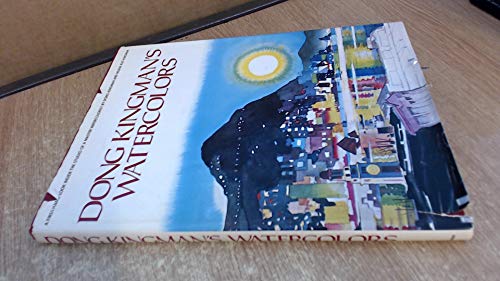
Dong Kingman's Watercolours (Signed, 1st Edition.)
Seller: JERO BOOKS AND TEMPLET CO., SANTA MONICA, CA, U.S.A.
Seller rating 5 out of 5 stars

First Edition Signed
US$ 80.00 50% offUS$ 40.00
US$ 6.50 shipping
Ships within U.S.A.Quantity: 1 available
Add to basketHardcover. Condition: Very Good. Dust Jacket Condition: Good. 1st Edition. 1st Edition (1980.) Hardcover with dust jacket. Folio with 143 pages. Signed on the front free endpaper, "To dear Jerome Snyder Best Wishes 8' Dong Kingman (some writing in chinese.) from the Wandermans. " The book is in very good condition. Interior is clean and tight. The price clipped dust jacket is in good condition with some wear to edges now in a protective cover. Pictures available upon request. ".this excellent book is a large, cloth-covered hardback, published 1980, 143 pp. It can be considered a coffee-table book, but the contents are more interesting than most. It has a biographical section, and also a section showing detailed steps of Kingman's somewhat unorthodox painting method. The third and last section, more than 50 pages, comprises beautiful color reproductions of various worldwide cityscapes, often full-page. Highly recommended." White spine/Red text. Size: Folio. Signed. Art / Watercolor / Asian.
-

Dong Kingman's Watercolors (SIGNED)
Language: English
Published by Watson-Guptill Publications, 1980
ISBN 10: 0823029077 ISBN 13: 9780823029075
First Edition Signed
Hardcover. Condition: Near Fine. Dust Jacket Condition: Very Good. 1st Edition. SIGNED & dated by Dong on first end page and inscribed to former owner. Stated 1st Printing. Near Fine book in VG DJ. Red-cloth boards with gilt-stamped titles are clean, bright, and sturdy. Binding tight. Pages clean & unmarked with no rips or creases. Unclipped dust jacket, protected by mylar cover, is clean and bright with shallow edge chipping. Quick, secure shipping with free delivery confirmation from Los Angeles bookstore. Photos available upon request. International shipping may be extra due to weight. Signed by Author(s).
-

Dong Kingman: Portraits Of Cities
Language: English
Published by 22nd. Century Film Corp, New York, 1997
ISBN 10: 0965833356 ISBN 13: 9780965833356
Seller: Arroyo Seco Books, Pasadena, Member IOBA, Pasadena, CA, U.S.A.
Association Member: IOBA
Seller rating 4 out of 5 stars

First Edition Signed
Hardcover. Condition: Fine. Dust Jacket Condition: Fine. Color Illustrations And Photographs (illustrator). 1st Edition. 134 Pp. Red Boards, Gilt. First Printing. Fine In Fine Dust Jacket, Not Price-Clipped. Inscribed By Kingman To Architect Robert P. Meyerghofl, Dated In 1998, And Signed In Both English And Chinese. Dong Kingman (1911 -2000) Was A Chinese American Artist And One Of America's Leading Watercolor Masters. As A Painter On The Forefront Of The California Style School Of Painting, He Was Known For His Urban And Landscape Paintings, As Well As His Graphic Design Work In The Hollywood Film Industry. He Has Won Widespread Critical Acclaim And His Works Are Included In Over 50 Public And Private Collections Worldwide, Including Metropolitan Museum Of Art, Museum Of Fine Arts, Boston; Brooklyn Museum; Deyoung Museum And Art Institute, Chicago. Dong Kingman Was Born Dong Moy Shu In Oakland, California, The Son Of Chinese Immigrants From Hong Kong. At The Age Of Five And A Half, He Traveled With His Family Back To Hong Kong, Where His Father Established A Dry Goods Business. He Began His Formal Education At The Bok Jai School, Where He Was Given A School Name In Accordance With Chinese Customs. Hearing That He Aspired To Be An Artist, His Instructor Gave Him The Name "King Man" (Lit. "Scenery" And "Composition" In Cantonese). He Would Later Combine The Two Names Into Kingman, Placing His Family Name First In Accordance With Chinese Naming Conventions, Creating The Name Dong Kingman. Kingman Continued His Education At The Chan Sun Wen School, Where He Excelled At Calligraphy And Watercolor Painting. He Studied Under Szeto Wai, The Paris-Trained Head Of The Lingnan Academy. It Was Under Szeto's Instruction That Kingman Was First Exposed To Northern European Trends. Kingman Would Later State That Szeto Was His "First And Only True Influence." Kingman Returned To The United States In His Late Teens. In 1929 He Attended The Fox Morgan Art School While Holding Down A Variety Of Jobs. It Was At This Time That He Chose To Concentrate On Watercolor Painting. His Critical Breakthrough Occurred In 1936, When He Gained A Solo Exhibition At The San Francisco Art Association. This Exhibition Brought Him National Recognition And Success. In The Late 1930S, Kingman Served As An Artist In The Works Progress Administration, Painting Over 300 Works With The Relief Program. In 1942 And 1944, Kingman Received The Guggenheim Fellowship. During World War Ii, He Was Drafted Into The U.S. Army, But Was Transferred To Work As A Map Artist In The Office Of Strategic Services[1] At Camp Beal, California And Washington, D.C, By A Fan Of His Work, Eleanor Roosevelt. Kingman Settled In Brooklyn, New York After The War, Where He Held A Position As An Art Instructor At Columbia University And Hunter College From 1946 For The Next Ten Years. In New York He Was Associated With Midtown, Wildenstein And Hammer Galleries. During The 1950S, Kingman Served As A United States Cultural Ambassador And International Lecturer For The Department Of State. In The 1950S And 1960S, Kingman Worked As An Illustrator In The Film Industry, Designing The Backgrounds For A Number Of Major Motion Pictures Including "55 Days At Peking", The Sand Pebbles And The Hollywood Adaptation Of "Flower Drum Song". Over 300 Of His Film-Related Works Are Permanently Housed At The Fairbanks Center For Motion Picture Study At The Margaret Herrick Library Of The Academy Of Motion Picture Arts And Sciences In Beverly Hills, California. Kingman Was Faculty At The Famous Artists School And His Students Included Artists Win Pe And Paw Oo Thet, Among Others. In 1981, Kingman Made History As The First American Artist To Be Featured In A Solo Exhibition Following The Resumption Of Diplomatic Relations Between The U.S. And China When The Ministry Of Culture Of The People's Republic Of China Hosted A Critically Acclaimed Exhibition That Drew Over 100,000 People. The 1990S Saw Major Exhibitions In Taiwan At The Taipei Modern Art Museum In 1995 And The Taichung Provincial Museum In 1999. Inscribed by Author(s).
-

?????? = Dong Kingman's Watercolors / Ceng Jing Wen Shui Cai Hua
Language: English
Published by ????? : ???????, Tai Bei Shi : Yi Shu Jia Chu Ban : Yi Shu Tu Shu Zong Jing Xiao, Min 83., Taibei / Taipei, 1994
ISBN 10: 9579500738 ISBN 13: 9789579500739
Seller: Arroyo Seco Books, Pasadena, Member IOBA, Pasadena, CA, U.S.A.
Association Member: IOBA
Seller rating 4 out of 5 stars
First Edition Signed
Hardcover. Condition: Fine. Dust Jacket Condition: Fine. Color Illustrations Throughout (illustrator). 1st Edition. 159 Pp. White Cloth, Gilt. First Edition. Fine (Slight Bumping To Corners) In Fine Dust Jacket. Inscribed By Kingman In 1995 To California Art Expert And Publisher Ruth Westphal. Dong Kingman (1911 -2000) Was A Chinese American Artist And One Of America's Leading Watercolor Masters. As A Painter On The Forefront Of The California Style School Of Painting, He Was Known For His Urban And Landscape Paintings, As Well As His Graphic Design Work In The Hollywood Film Industry. He Has Won Widespread Critical Acclaim And His Works Are Included In Over 50 Public And Private Collections Worldwide, Including Metropolitan Museum Of Art, Museum Of Fine Arts, Boston; Brooklyn Museum; Deyoung Museum And Art Institute, Chicago. Dong Kingman Was Born Dong Moy Shu In Oakland, California, The Son Of Chinese Immigrants From Hong Kong. At The Age Of Five And A Half, He Traveled With His Family Back To Hong Kong, Where His Father Established A Dry Goods Business. He Began His Formal Education At The Bok Jai School, Where He Was Given A School Name In Accordance With Chinese Customs. Hearing That He Aspired To Be An Artist, His Instructor Gave Him The Name "King Man" (Lit. "Scenery" And "Composition" In Cantonese). He Would Later Combine The Two Names Into Kingman, Placing His Family Name First In Accordance With Chinese Naming Conventions, Creating The Name Dong Kingman. Kingman Continued His Education At The Chan Sun Wen School, Where He Excelled At Calligraphy And Watercolor Painting. He Studied Under Szeto Wai, The Paris-Trained Head Of The Lingnan Academy. It Was Under Szeto's Instruction That Kingman Was First Exposed To Northern European Trends. Kingman Would Later State That Szeto Was His "First And Only True Influence." Kingman Returned To The United States In His Late Teens. In 1929 He Attended The Fox Morgan Art School While Holding Down A Variety Of Jobs. It Was At This Time That He Chose To Concentrate On Watercolor Painting. His Critical Breakthrough Occurred In 1936, When He Gained A Solo Exhibition At The San Francisco Art Association. This Exhibition Brought Him National Recognition And Success. In The Late 1930S, Kingman Served As An Artist In The Works Progress Administration, Painting Over 300 Works With The Relief Program. In 1942 And 1944, Kingman Received The Guggenheim Fellowship. During World War Ii, He Was Drafted Into The U.S. Army, But Was Transferred To Work As A Map Artist In The Office Of Strategic Services[1] At Camp Beal, California And Washington, D.C, By A Fan Of His Work, Eleanor Roosevelt. Kingman Settled In Brooklyn, New York After The War, Where He Held A Position As An Art Instructor At Columbia University And Hunter College From 1946 For The Next Ten Years. In New York He Was Associated With Midtown, Wildenstein And Hammer Galleries. During The 1950S, Kingman Served As A United States Cultural Ambassador And International Lecturer For The Department Of State. In The 1950S And 1960S, Kingman Worked As An Illustrator In The Film Industry, Designing The Backgrounds For A Number Of Major Motion Pictures Including "55 Days At Peking", The Sand Pebbles And The Hollywood Adaptation Of "Flower Drum Song". Over 300 Of His Film-Related Works Are Permanently Housed At The Fairbanks Center For Motion Picture Study At The Margaret Herrick Library Of The Academy Of Motion Picture Arts And Sciences In Beverly Hills, California. Kingman Was Faculty At The Famous Artists School And His Students Included Artists Win Pe And Paw Oo Thet, Among Others. In 1981, Kingman Made History As The First American Artist To Be Featured In A Solo Exhibition Following The Resumption Of Diplomatic Relations Between The U.S. And China When The Ministry Of Culture Of The People's Republic Of China Hosted A Critically Acclaimed Exhibition That Drew Over 100,000 People. The 1990S Saw Major Exhibitions In Taiwan At The Taipei Modern Art Museum In 1995 And The Taichung Provincial Museum In 1999. Inscribed by Illustrator(s).
-

Dong Kingman: Portraits Of Cities
Language: English
Published by 22nd. Century Film Corp, New York, 1997
ISBN 10: 0965833356 ISBN 13: 9780965833356
Seller: Arroyo Seco Books, Pasadena, Member IOBA, Pasadena, CA, U.S.A.
Association Member: IOBA
Seller rating 4 out of 5 stars
First Edition Signed
Hardcover. Condition: Fine. Dust Jacket Condition: Fine. Color Illustrations And Photographs (illustrator). 1st Edition. 134 Pp. Red Boards, Gilt. First Printing. Fine In Fine Dust Jacket, Not Price-Clipped. Inscribed By Kingman To Art Expert And Publisher Ruth Westphal, Dated In 1998, And Signed In Both English And Chinese. Dong Kingman (1911 -2000) Was A Chinese American Artist And One Of America's Leading Watercolor Masters. As A Painter On The Forefront Of The California Style School Of Painting, He Was Known For His Urban And Landscape Paintings, As Well As His Graphic Design Work In The Hollywood Film Industry. He Has Won Widespread Critical Acclaim And His Works Are Included In Over 50 Public And Private Collections Worldwide, Including Metropolitan Museum Of Art, Museum Of Fine Arts, Boston; Brooklyn Museum; Deyoung Museum And Art Institute, Chicago. Dong Kingman Was Born Dong Moy Shu In Oakland, California, The Son Of Chinese Immigrants From Hong Kong. At The Age Of Five And A Half, He Traveled With His Family Back To Hong Kong, Where His Father Established A Dry Goods Business. He Began His Formal Education At The Bok Jai School, Where He Was Given A School Name In Accordance With Chinese Customs. Hearing That He Aspired To Be An Artist, His Instructor Gave Him The Name "King Man" (Lit. "Scenery" And "Composition" In Cantonese). He Would Later Combine The Two Names Into Kingman, Placing His Family Name First In Accordance With Chinese Naming Conventions, Creating The Name Dong Kingman. Kingman Continued His Education At The Chan Sun Wen School, Where He Excelled At Calligraphy And Watercolor Painting. He Studied Under Szeto Wai, The Paris-Trained Head Of The Lingnan Academy. It Was Under Szeto's Instruction That Kingman Was First Exposed To Northern European Trends. Kingman Would Later State That Szeto Was His "First And Only True Influence." Kingman Returned To The United States In His Late Teens. In 1929 He Attended The Fox Morgan Art School While Holding Down A Variety Of Jobs. It Was At This Time That He Chose To Concentrate On Watercolor Painting. His Critical Breakthrough Occurred In 1936, When He Gained A Solo Exhibition At The San Francisco Art Association. This Exhibition Brought Him National Recognition And Success. In The Late 1930S, Kingman Served As An Artist In The Works Progress Administration, Painting Over 300 Works With The Relief Program. In 1942 And 1944, Kingman Received The Guggenheim Fellowship. During World War Ii, He Was Drafted Into The U.S. Army, But Was Transferred To Work As A Map Artist In The Office Of Strategic Services[1] At Camp Beal, California And Washington, D.C, By A Fan Of His Work, Eleanor Roosevelt. Kingman Settled In Brooklyn, New York After The War, Where He Held A Position As An Art Instructor At Columbia University And Hunter College From 1946 For The Next Ten Years. In New York He Was Associated With Midtown, Wildenstein And Hammer Galleries. During The 1950S, Kingman Served As A United States Cultural Ambassador And International Lecturer For The Department Of State. In The 1950S And 1960S, Kingman Worked As An Illustrator In The Film Industry, Designing The Backgrounds For A Number Of Major Motion Pictures Including "55 Days At Peking", The Sand Pebbles And The Hollywood Adaptation Of "Flower Drum Song". Over 300 Of His Film-Related Works Are Permanently Housed At The Fairbanks Center For Motion Picture Study At The Margaret Herrick Library Of The Academy Of Motion Picture Arts And Sciences In Beverly Hills, California. Kingman Was Faculty At The Famous Artists School And His Students Included Artists Win Pe And Paw Oo Thet, Among Others. In 1981, Kingman Made History As The First American Artist To Be Featured In A Solo Exhibition Following The Resumption Of Diplomatic Relations Between The U.S. And China When The Ministry Of Culture Of The People's Republic Of China Hosted A Critically Acclaimed Exhibition That Drew Over 100,000 People. The 1990S Saw Major Exhibitions In Taiwan At The Taipei Modern Art Museum In 1995 And The Taichung Provincial Museum In 1999. Inscribed by Author(s).
-
Dong Kingman's Watercolors
Language: English
Published by Watson-Guptill Publications, New York, 1980
ISBN 10: 0823029077 ISBN 13: 9780823029075
Signed
Hardcover. Condition: Near Fine. Dust Jacket Condition: Good. Dong Kingman (illustrator). Book in near fine condition; light toning end papers; former owner's name and address stamp top of front end paper; faint toning to clean interior; binding sound. Dust jacket in good condition; small chipping and short tears at top and bottom edge; light toning; not price clipped. SIGNED by artist on front free end paper with English and Chinese characters. 143 numbered pages. Russet cloth boards wtih silver stamped lettering on spine. 12 1/4 x 9 1/8 in. Dust jacket in Mylar sleeve. Inv. PA45001. Signed by Author(s).
-
Dong Kingman's Watercolors
Published by Watson-Guptill Publications, Incorporated, 1980
First Edition Signed
Hardcover. Condition: Very Good. Dust Jacket Condition: Very Good. 1st Edition. NICE signed by Kingman and also in Chinese characters as pictured First Edition , very good condition hardcover in a very good condition dust jacket, , price clipped . Signed by Author(s).
-

Dong Kingman: An American Master
Language: English
Published by M. James Fine Art, New York / San Francisco / Hong Kong, 2000
ISBN 10: 0965833305 ISBN 13: 9780965833301
Seller: Arroyo Seco Books, Pasadena, Member IOBA, Pasadena, CA, U.S.A.
Association Member: IOBA
Seller rating 4 out of 5 stars
First Edition Signed
Hardcover. Condition: Fine. Dust Jacket Condition: Fine. 1st Edition. 108 Pp. Blue Cloth, Gilt. True First Printing. Fine In Fine Dust Jacket. Inscribed By The Author/Publisher Monte James To Ruth Westphal, Art Expert And Publisher. Inscribed by Author(s).
-
The water colors [Watercolours] of Dong Kingman and how the artist works. Introduction by William Saroyan.
Language: English
Published by New York, The Studio Publications, Inc., 1958
Seller: Inanna Rare Books Ltd., Skibbereen, CORK, Ireland
Seller rating 5 out of 5 stars
Signed
Condition: Wie neu. 25 cm x 19,5 cm. 136 pages. With many black-and-white and colour illustrations throughout the book. Original Hardcover with dustjacket. In protective mylar. Very good condition with only minor signs of external wear. Inscribed / signed by the artist Don Kingman: "To our friends Joan (and) Johan Wynn - Best wishes - Helena & Dong Kingman - Wildenstein Gallery - London" Includes the following chapters: William Saroyan - The eye and hand of Dong Kingman / Alan D. Gruskin - The Story of the Artist / Paintings (1940-1957) / Dong Kingman - The making of a water color / Index to collections. Dong Kingman (31 March 1911 12 May 2000) was a Chinese American artist and one of America's leading watercolor masters. As a painter on the forefront of the California Style School of painting, he was known for his urban and landscape paintings, as well as his graphic design work in the Hollywood film industry. He has won widespread critical acclaim and his works are included in over 50 public and private collections worldwide, including Metropolitan Museum of Art, Museum of Fine Arts, Boston; Brooklyn Museum; deYoung Museum and Art Institute, Chicago. Dong Kingman was born Dong Moy Shu in Oakland, California, the son of Chinese immigrants from Hong Kong. At the age of five, he traveled with his family back to Hong Kong, where his father established a dry goods business. He began his formal education at the Bok Jai School, where he was given a school name in accordance with Chinese customs. Hearing that he aspired to be an artist, his instructor gave him the name "King Man" (lit. "scenery" and "composition" in Cantonese). He would later combine the two names into Kingman, placing his family name first in accordance with Chinese naming conventions, creating the name Dong Kingman. Kingman continued his education at the Chan Sun Wen School, where he excelled at calligraphy and watercolor painting. He studied under Szeto Wai, the Paris-trained head of the Lingnan Academy. It was under Szeto's instruction that Kingman was first exposed to Northern European trends. Kingman would later state that Szeto was his "first and only true influence." Kingman returned to the United States in his late teens. In 1929 he attended the Fox Morgan Art School while holding down a variety of jobs. It was at this time that he chose to concentrate on watercolor painting. His critical breakthrough occurred in 1936, when he gained a solo exhibition at the San Francisco Art Association. This exhibition brought him national recognition and success. In the late 1930s, Kingman served as an artist in the Works Progress Administration, painting over 300 works with the relief program. In 1942 and 1944, Kingman received the Guggenheim Fellowship. During World War II, he was drafted into the U.S. Army, but was transferred to work as a map artist in the Office of Strategic Services at Camp Beal, California and Washington, D.C, by a fan of his work, Eleanor Roosevelt. Kingman settled in Brooklyn, New York after the war, where he held a position as an art instructor at Columbia University and Hunter College from 1946 for the next ten years. In New York he was associated with Midtown, Wildenstein and Hammer galleries. Kingman had married Janice Wong in 1926. She died in 1954 and he married the writer Helena Kuo in 1956. Kuo died in 1999. During the 1950s, Kingman served as a United States cultural ambassador and international lecturer for the Department of State. In the 1950s and 1960s, Kingman worked as an illustrator in the film industry, designing the backgrounds for a number of major motion pictures including "55 Days at Peking", The Sand Pebbles and the Hollywood adaptation of "Flower Drum Song". Over 300 of his film-related works are permanently housed at the Fairbanks Center for Motion Picture Study at the Margaret Herrick Library of the Academy of Motion Picture Arts and Sciences in Beverly Hills, California. In 1981, Kingman made history as the first American artist to be featured in a solo exhibition following the resumption of diplomatic relations between the U.S. and China when the Ministry of Culture of the People's Republic of China hosted a critically acclaimed exhibition that drew over 100,000 people. The 1990s saw major exhibitions in Taiwan at the Taipei Modern Art Museum in 1995 and the Taichung Provincial Museum in 1999. Dong Kingman died of pancreatic cancer in his home in New York City in 2000, at age 89. (Wikipedia).
-
The Water Colors of Dong Kingman and How the Artist Works. (Kingman signed with original drawing on half-title page).
Language: English
Published by The Studio Publications, Inc., 1958
First Edition Signed
Hardcover. Condition: Very Good. Dust Jacket Condition: Good. 1st Edition. New York: The Studio Publications, Inc., 1958, first edition. 4to: 136 pp. Presentation copy, Kingman inscribed with original drawing on half-title. Cream cloth, gilt lettered spine and front cover, gently bumped and sunned extremities, book plate adhered to verso, text interspersed with black and white illustrations, includes some in color and double page, illustrated dust jacket, light soiled handling wear with a few short-closed tears and minor chips, mylar cover. Ex-Libris.* Very good in a good dust jacket. Provenance: *Ex. Roger K. Larson (1988-1997), Western Americana and Californiana collector. Inscribed by Illustrator(s).
-

Kingman, Dong
Seller: Markus Brandes Autographs GmbH, Kesswil, TG, Switzerland
Association Member: PADA
Seller rating 3 out of 5 stars

Manuscript / Paper Collectible Signed
Signed card, 5 x 3 inch, signed by Dong Kingman in blue ballpoint, with mild signs of wear - in fine condition.


![Seller image for The water colors [Watercolours] of Dong Kingman and how the artist works. Introduction by William Saroyan. for sale by Inanna Rare Books Ltd.](https://pictures.abebooks.com/inventory/md/md30488482618.jpg)

