
Soviet Cinema: Signed (2 results)
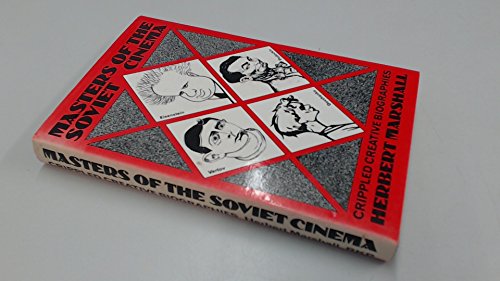
Language: English
Published by Routledge Kegan & Paul, New York, New York, U.S.A. 1984
- Hardcover
- First Edition
- Signed
Seller: Fahrenheit's Books, Denver, CO, U.S.A.Fahrenheit's Books
Contact seller5-star sellerCondition: Used - Very good
US$ 25.00
US$ 7.00 shippingShips within U.S.A.Quantity: 1 available
Hardcover. Condition: Very Good. Dust Jacket Condition: Very Good. First Edition. First edition, hardcover, warmly inscribed by the author, top of spine bumped, light5 bumps to corners, otherwise a VG+ copy in like dustjacket which has some rumpling to the top of the spine.

Published by Planeta Publishers, 120 1979
- Hardcover
- Signed
Seller: Moraine Books, Ruovesi, FinlandMoraine Books
Contact seller5-star sellerCondition: Used - Near fine
US$ 70.00
US$ 40.96 shippingShips from Finland to U.S.A.Quantity: 1 available
Hardcover. Condition: Near Fine. Dust Jacket Condition: Very Good. Text in English and Russian. 195 pp. Dust jacket shows moderate rubbing with small nicks / tears at top and bottom edge. Few dents on the rear of the dust jacket. This album traces the 60-year history of the Soviet cinema, which dates back to August 27, 1919. Tha…t day, Vladimir Lenin, the head of, the first Soviet government, signed a decree which put the film industry and trade under the auspices of the People's Commissariat of Education. Thus the foundations were laid for the first state film industry in world history. In Lenin's words, the cinema is the most important art for us, thanks to its propaganda and cultural potential. This evaluation confirms the sagacity of the leader of the revolution - he foresaw the cinema's prospects at a time when even bourgeois intellectuaÌs, not to mention politicians, were far from recognizing it not only as an important art, but as one of the arts at all. In comparison with other long-standing forms of art, the cinema had a number of indisputable advantages - authenticity of images, possibilities of wide distribution, accessibility to any audience without the obstruction of the language barrier or, most important, the barrier of illiteracy. Tsarist Russia left the Soviet Republic an insignificant heritage - worn prints of old films, primitive studios and badly equipped cinemas. There was no production of film and equipment and there were few enthusiasts of the "cinematograph". The history of the Soviet cinema began with newsreels of Civil War events and the construction of the new society. The cameramen of those years have brought us the exciting spirit of the era and captured on celluloid the living image of Lenin. Lenin's forecast about the artistic possibilities of the cinema soon began to come true. Young directors, encouraged by the ideas of the revolution, took up their work with enthusiasm. They believed they would be able to create a now art which would reveal the essence of the revolutionary era. The meaning of the now relationship between the artist and his limes was most aptly defined by Sergei Eisenstein: "If the revolution has brought me to art, art has committed me to the revolution".

