Synopsis
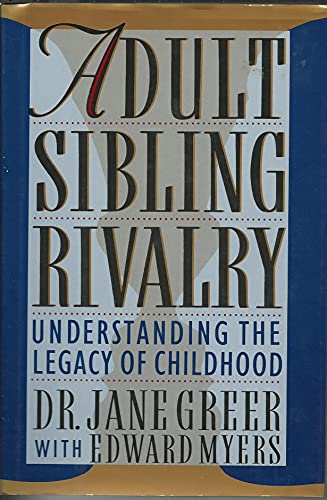
An exploration of sibling rivalry in adults shows adults how they can maintain caring relationships with siblings during ordinary conflicts, cope with seriously troubled siblings, and resolve conflicts. 25,000 first printing. Tour.
Reviews
The sometimes companionable, often exasperating state of siblinghood is examined here with mixed results. Writing with freelancer Myers, Greer, a clinical social worker in New York and New Jersey, presents interesting, though not sufficiently developed concepts about the nature of this relationship: We expect ourselves and our siblings to be "good enough" but don't know what good enough means. We make others into "invisible siblings" and reenact old rivalries. We even replay the relationship our parents had with their siblings, according to the study. Why? There is no discussion here of psychodynamics, of inappropriate parental expectations, projection, identification, oedipal feelings and incest taboos, all of which might illuminate these problematic bonds. Nor do case histories from Greer's practice communicate the seething, disfiguring resentment that is the hallmark of rivalry. The way to resolve our conflicts is to understand and then deal with the problem, we are told--and useful ways of managing feelings are offered--but ultimately, this analysis, while suggestive, does not promote real understanding.
Copyright 1992 Reed Business Information, Inc.
"About this title" may belong to another edition of this title.