Synopsis
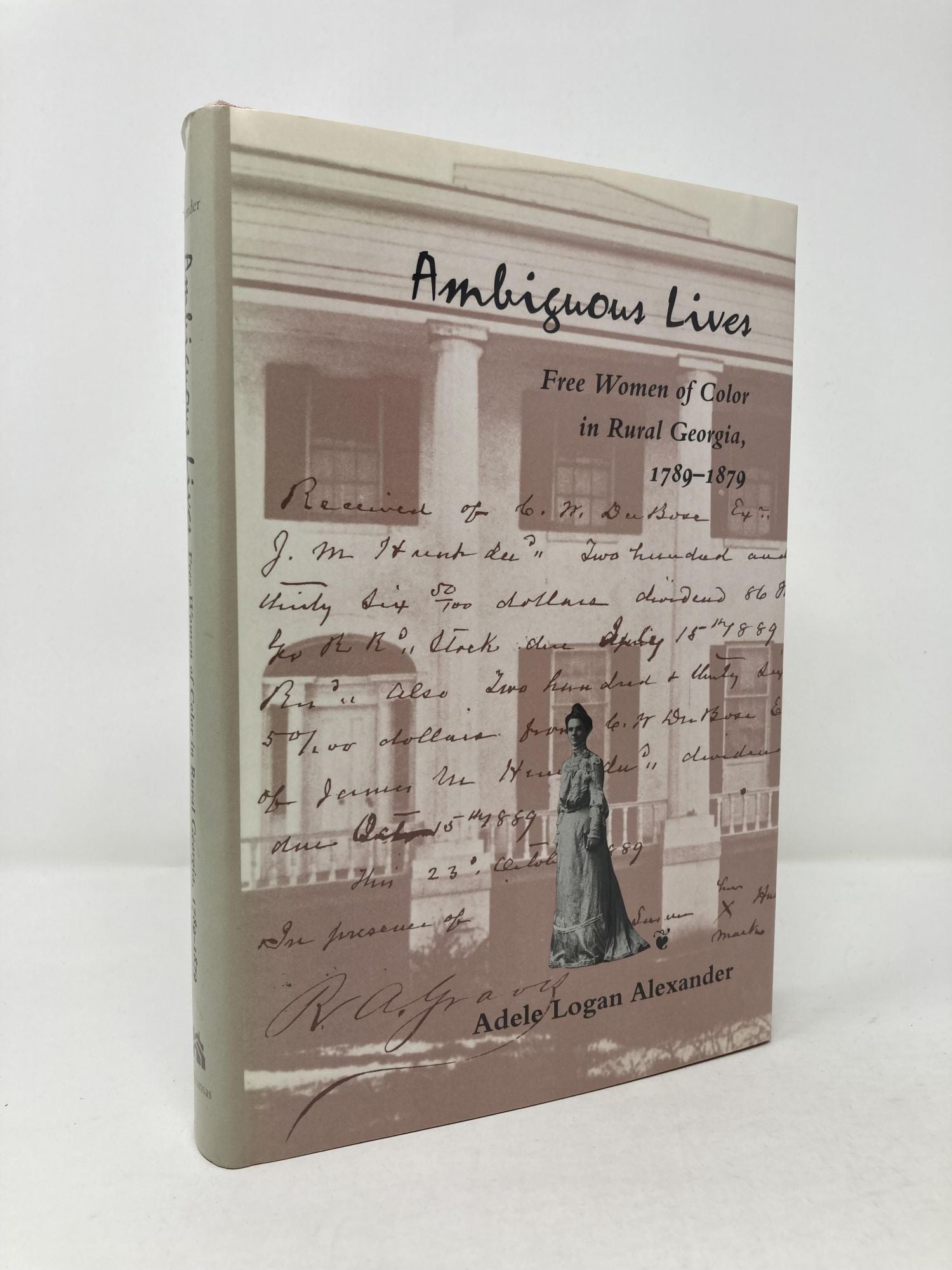
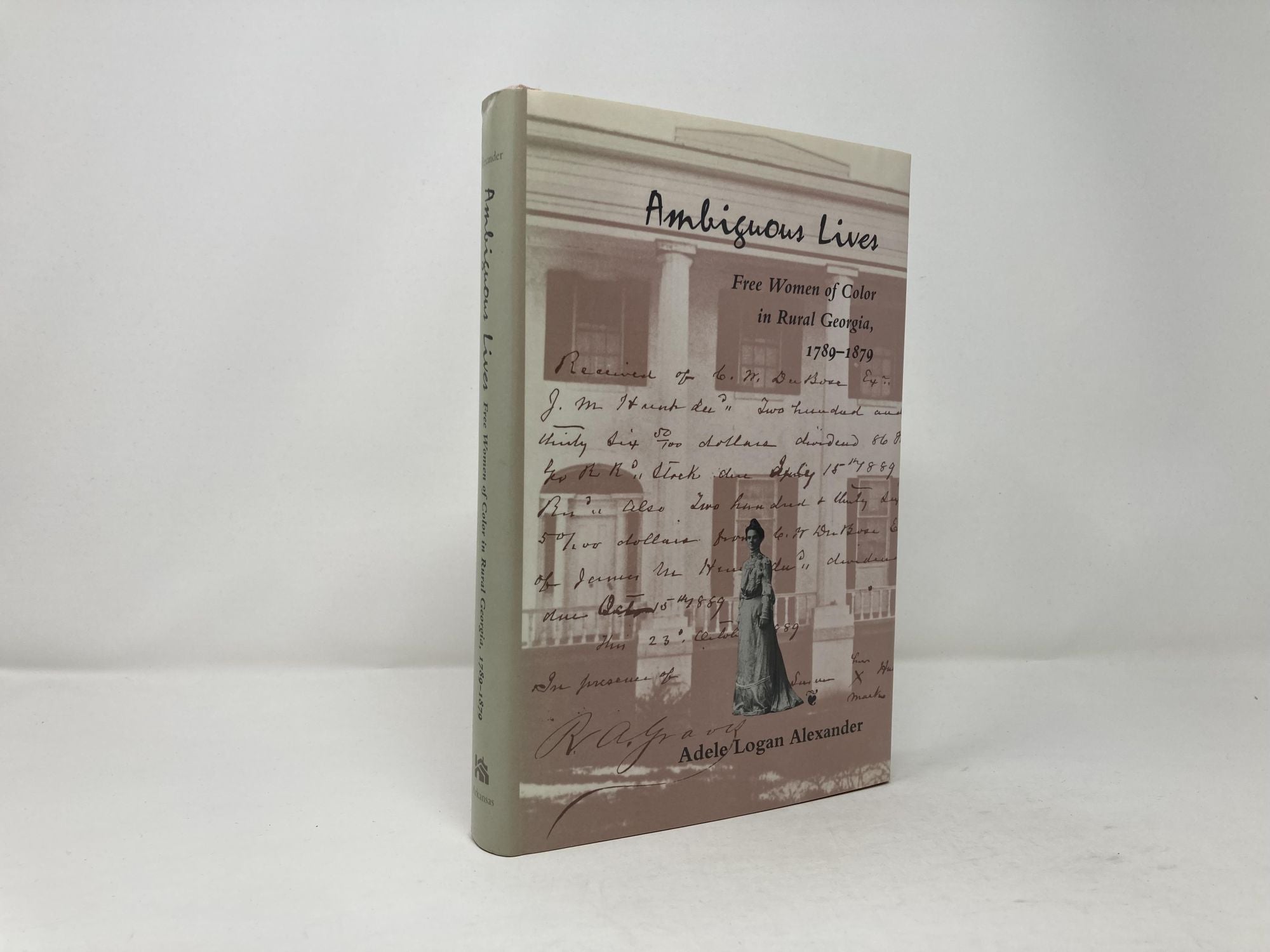
In this groundbreaking study, Alexander chronicles the previously undocumented plight of perhaps the most marginal sector of 19th-century American society--the free women of mixed race in the rural South. Although the book focuses on the women of Alexander's own family, it is a fascinating profile of America, its race and gender relations, and its complex cultural weave. (Univ. of Arkansas Press)
Reviews
As Alexander confesses at the outset, hers is a family history more than a sociological or historical essay. In trying to recover the lives of the coterie of mixed-race women (and men) of middle Georgia, she embarks on a personal journey to her own Cherokee, black, and white forebears. She finds that the small, rural, mixed-race families were neither black nor white, sharing allegiances and characteristics of both races with whom they lived in often intimate contact. She gives a fascinating account of life inside "the big house" on the Sayre plantation, reminding us of the countless complex ways whites and blacks interacted. Her vivid, if somewhat exaggerated, recounting of heretofore forgotten people lacks the sophistication of Gary B. Mills's The Forgotten People: Cane River's Creoles of Color ( LJ 7/77), about a Louisiana family, or the sweep of Joel Williamson's New People ( LJ 9/15/80), and her findings are hardly news. Still, the story compels. For university libraries.
- Randall M. Miller, St. Joseph's Univ., Philadelphia
Copyright 1991 Reed Business Information, Inc.
"About this title" may belong to another edition of this title.