Synopsis
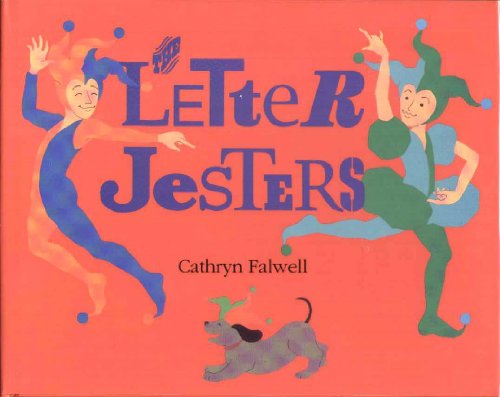
Introduces the principles of typography, including typefaces, points, Roman and Italic forms, light and bold faces, serif and sans serif letters, and upper and lower case, and shows some of the different ways in which letters are used
Reviews
Grade 2-4-Two little jesters, Alfonzo and Betty, and their dog, Typo, introduce children to typography. Definitions and styles of typeface are clearly illustrated with cut-paper figures in festive colors. Terms introduced include roman/italic, light/bold, serif/sans serif, upper/lowercase letters. Sidebars on many pages give special information, e.g. why capital letters are called capitals (they were carved on the tops, or capitals, of Roman columns). Brief examples of emotional responses to various styles of lettering are also given. A colorful and informative introduction to a subject little seen in picture books, this is going to delight youngsters and teachers who want to expand their awareness of the world of fine printing and fonts.
Ruth Semrau, formerly at Lovejoy School, Allen, TX
Copyright 1994 Reed Business Information, Inc.
``Letters are everywhere,'' begins this joyous first look at typography, in which two jesters and their little dog romp through a simple, but by no means simplistic, presentation of typefaces and their uses. Samples found in such varied places as on a popcorn container, a stop sign, and a circus poster lead into a broad range of faces, with more than 70 samples chosen for their wide use, historical significance, and intriguing names or appearances. A few succinct, well-chosen words elucidate such basics as the difference between light and bold faces, the origins of roman and italic letters, how type is measured, and serifs. A final sequence demonstrates how type can declare a mood or echo a subject. Whether juggling the letters that compose a word or sliding merrily down a giant italic ``A,'' Falwell's (We Have a Baby, 1993, etc.) three bell-capped impresarios, rendered in flat, bold colors, are graceful and marvelously expressive against the clean white ground. But the letters steal the show. This lucid, beautifully organized and designed book is a splendid introduction to an often overlooked art that is, indeed, everywhere. (Nonfiction/Picture book. 5-8) -- Copyright ©1994, Kirkus Associates, LP. All rights reserved.
Gr. 2-4. What at first appears to be an alphabet book is really a book about typefaces. Two jesters slide, skip, and dance around different examples of typefaces and a narrative that explains the why, how, and what of the subject. The result isn't page-turner, but with brightly colored jesters drawing children through the factual material, the book will lend sprightly support to rudimentary units on book design, advertising, and graphic arts. Mary Harris Veeder
"About this title" may belong to another edition of this title.