Synopsis
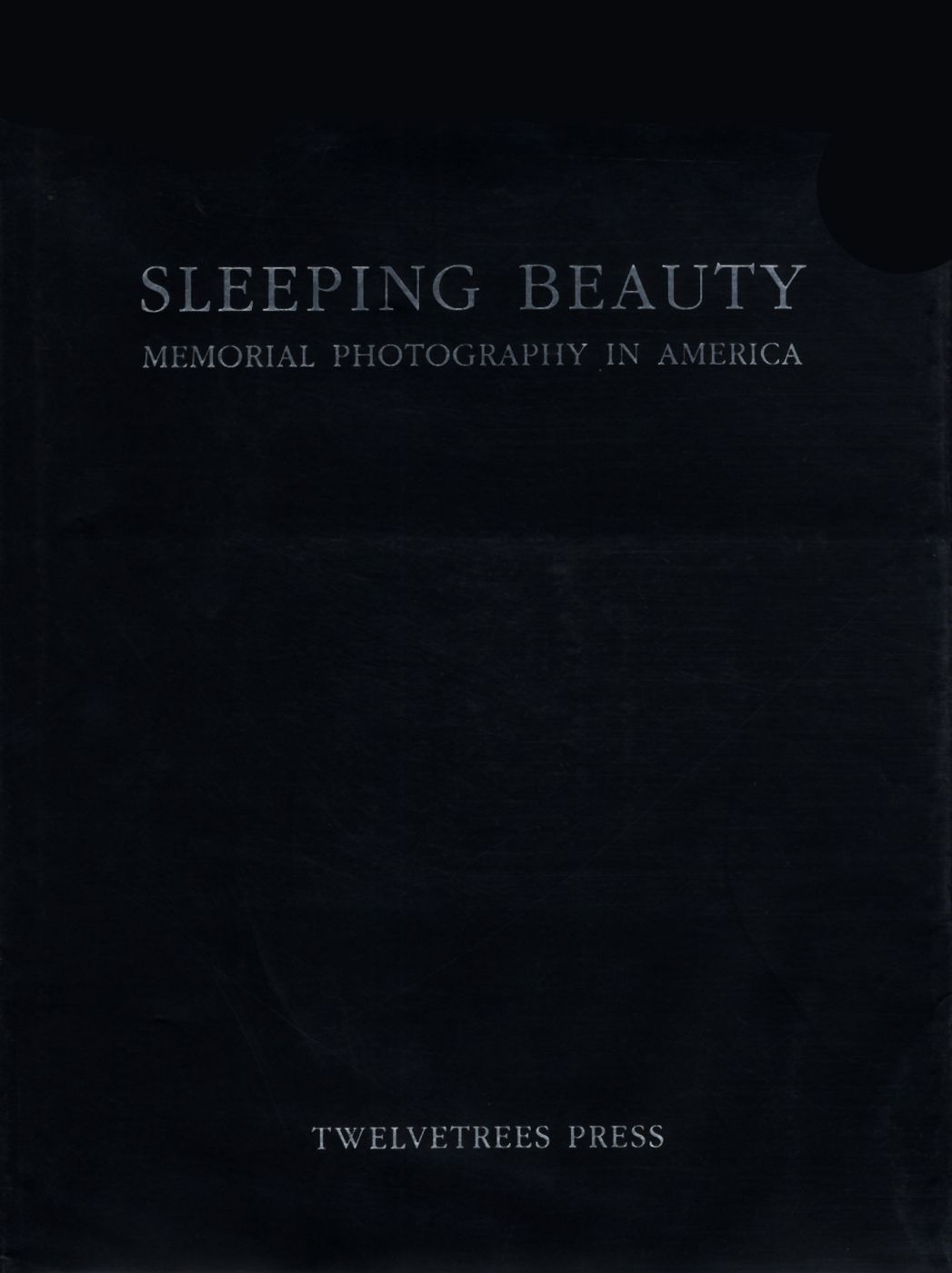
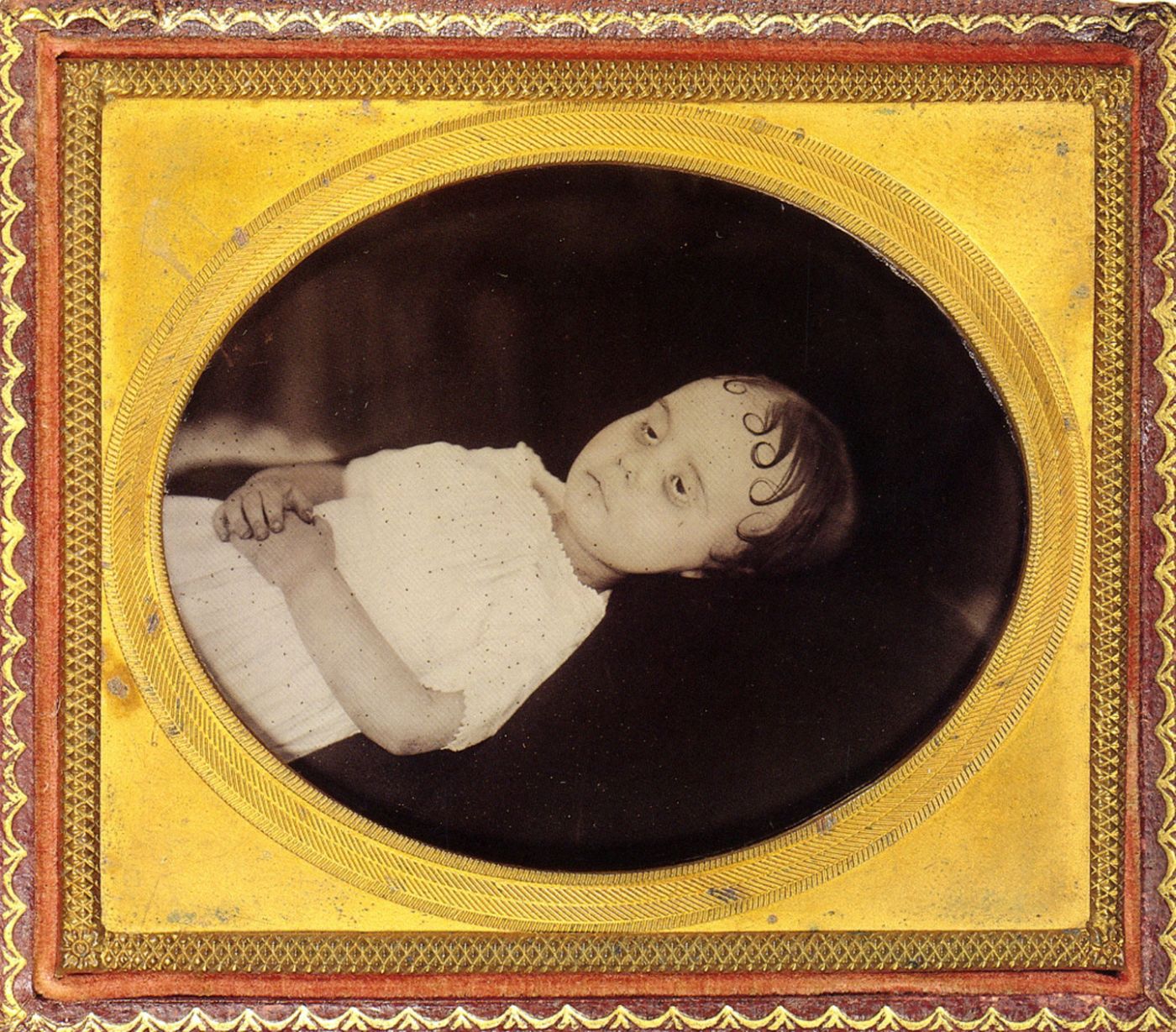
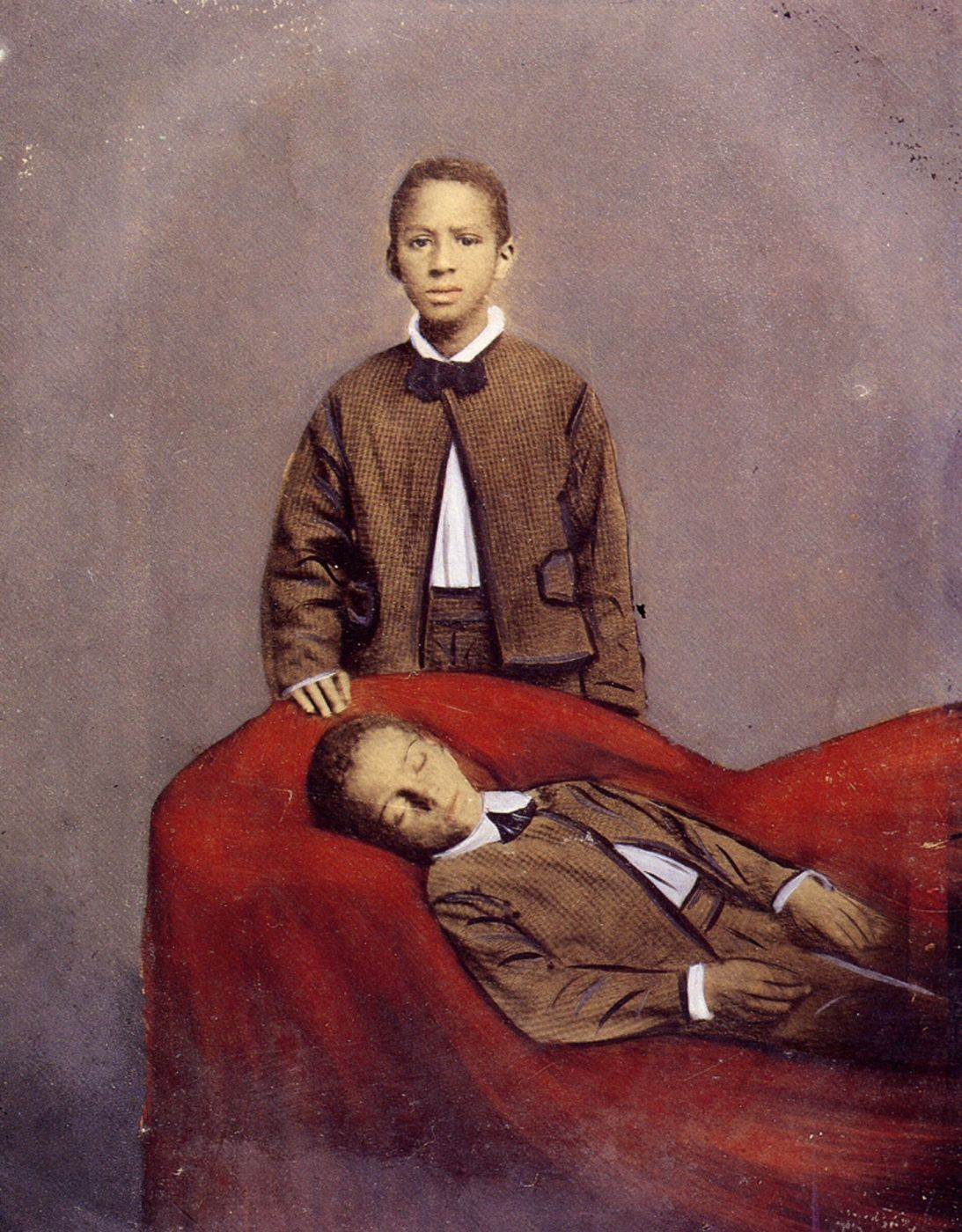
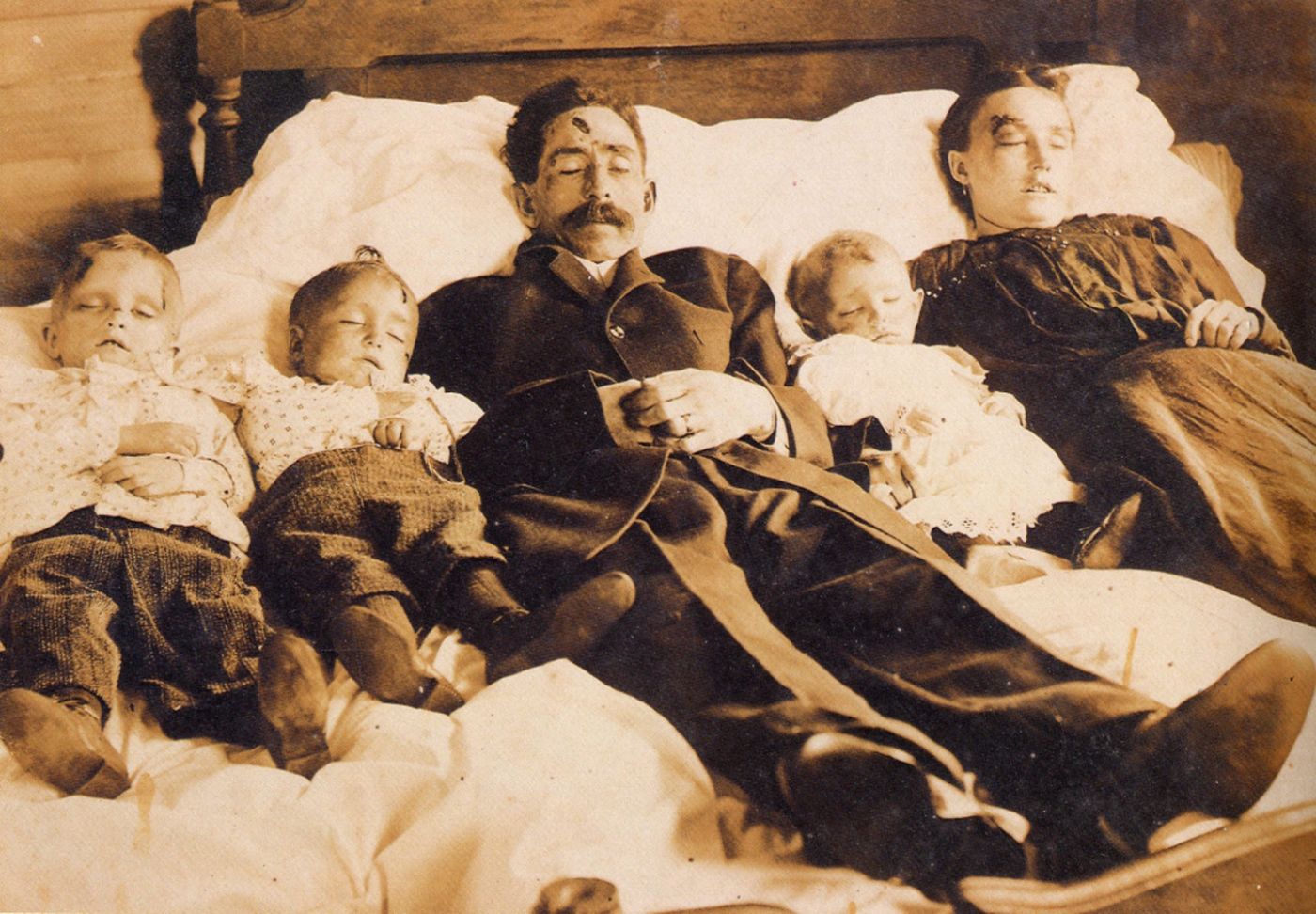
Dr. Stanley B. Burns and the Burns Archive played a large role in the rediscovery of the normalcy of postmortem photography. In 1990, the landmark publication, Sleeping Beauty, Memorial in Photography in America, ushered in a new era of appreciation of the importance of these images. Postmortem photography is the taking of a photograph of a deceased loved one, and was a normal part of American and European culture in the nineteenth and early twentieth centuries. It has nothing to do with images of violence, crime, or war. Death, and personally dealing with death, was prevalent throughout the entire world as epidemics would come quickly and kill quickly. Advances in medicine removed unexpected death from everyday life and professionals took over. Commissioned by grieving families, postmortem photographs not only helped in the grieving process, but often represented the only visual remembrance of the deceased and were among a family's most precious possessions. Mourning periods were bas
Review
"If you can peer in past the somberness, you'll summon up the warmth and intimacy of a lost emotional landscape, one that links up momentarily with those who have gone before." - John Updike in American Heritage Magazine
"Unlike anything I've seen before...succeeds in a way the few documentary books manage to do. Dr. Burns uses what might seem an obscure subject...to persuade the reader to reconsider matters of life and death in our own time." -New York Times Book Review
"[Dr. Burns] has researched the hell out of these photos, and his notes in Sleeping Beauty amount to nothing less than a furiously compressed history of death and dying in America...Stanley Burns' project is a thing of strange beauty, always thought provoking and eye opening, often startling, usually a revelation of some kind." - New York Press
"Almost every one of its stunning reproductions inspires shivers and achingly vivid pathos..." - The Voice Literary Supplement
"About this title" may belong to another edition of this title.