Synopsis
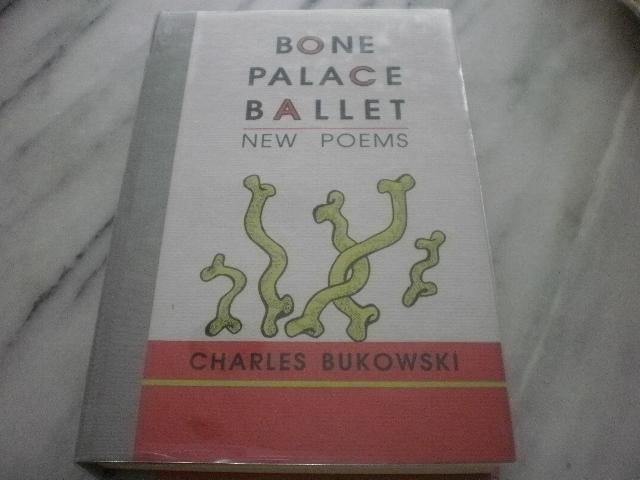
This is a collection of 175 previously unpublished works by Bukowski. It contains yarns about his childhood in the Depression and his early literary passions, his apprentice days as a hard-drinking, starving poetic aspirant, and his later years when he looks back at fate with defiance.
Reviews
Legend is that Bukowski--spiritual papa of poetry slams, perfpos (i.e., performance poets), and any other aggressively populist poetry manifestations of today--used to haul his ugly mug and a case of beer on stage and read until beer or consciousness was gone. If it isn't true, it ought to be, for it is the kind of bad boy gesture out of which he constructed his poetry, his prose, and certainly his fictional alter ego, Henry Chinaski, if not his own life. The 175 previously uncollected poems gathered here appear mostly in biochronological order, beginning with poems about Bukowski-Chinaski's childhood and ending with poems reflecting on his old age. Each poem is a little nugget of roughneck-intellectual autobiography or attitude (in the contemporary slang sense of the word; it is easy to imagine that, if he became a writer, Bart Simpson would be another Charles Bukowski), and each is pretty enjoyable, especially with a brew at hand. Ray Olson
This posthumous collection of poems by Bukowski (Pulp, LJ 6/1/96) is a wonderful swan song. The settings remain mostly the same?taprooms, race tracks, and back alleys?and the themes largely unchanged?fragile relationships, heavy drinking, and the art of writing. However, one new theme that surfaces in this collection is the acceptance of death and old age. Bukowski knows he faces death and seeks "the grave to find a more/ comfortable/ position." He realizes that death will be his final act, and he will be "alone but not lonely." Accepting it, he writes with clarity and precision?"I will write the stuff only for myself/ and to myself"?and goes on to realize that in death he will "no longer defile these pages/ with my raw and simple/ lines." The only drawback of this work lies in a handful of weaker poems that show Bukowski attempting to be clever, and this is when he fails. For the most part, however, readers will see Bukowski at his best. Highly recommended.?Tim Gavin, Episcopal Acad., Merion, Pa.
Copyright 1997 Reed Business Information, Inc.
"About this title" may belong to another edition of this title.