
Synopsis
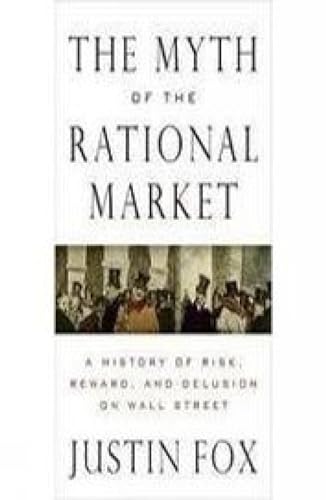
Modern investing know-how is founded on the efficient market hypothesis, which holds that markets are rational and, therefore, difficult to beat. Originally codified in the 1960s at the University of Chicago, the efficient market theory became accepted wisdom for both academicians and market players. This theory has been the driver of trillions of investment dollars, the inspiration for index funds and vast new derivatives markets the world over. The theory holds that the market is always right, and that the decisions of millions of rational investors, all acting on information to outsmart one another, always provide the best judge of a stock’s value. The great financial crash of 2008 has forced the investment world to ask the heretical question whether the theory is, in fact, wrong. A hugely acclaimed international bestseller, The Myth of the Rational Market is a fascinating exploration of how and whether the efficient market theory is seriously flawed. The answer could affect how the world invests — and how you should. Celebrated journalist and columnist Fox introduces a new wave of economists and scholars who now agree with Yale professor Robert Shiller that the efficient market theory “represents one of the most remarkable errors in the history of economic thought.” The new thinking holds that investors overreact, under react, and make irrational decisions based on imperfect data. In his landmark book, Fox uncovers the new ideas that may come to drive the market in the century ahead. So, is your existing investment knowledge flawed? Do investors need to update themselves with new knowledge in order to profit in the contemporary markets? Read this book and decide for yourself; it may be the most important investment decision you will ever make .
"synopsis" may belong to another edition of this title.
From the Back Cover
Chronicling the rise and fall of the efficient market theory and the century-long making of the modern financial industry, Justin Fox's The Myth of the Rational Market is as much an intellectual whodunit as a cultural history of the perils and possibilities of risk. The book brings to life the people and ideas that forged modern finance and investing, from the formative days of Wall Street through the Great Depression and into the financial calamity of today. It's a tale that features professors who made and lost fortunes, battled fiercely over ideas, beat the house in blackjack, wrote bestselling books, and played major roles on the world stage. It's also a tale of Wall Street's evolution, the power of the market to generate wealth and wreak havoc, and free market capitalism's war with itself.
The efficient market hypothesis—long part of academic folklore but codified in the 1960s at the University of Chicago—has evolved into a powerful myth. It has been the maker and loser of fortunes, the driver of trillions of dollars, the inspiration for index funds and vast new derivatives markets, and the guidepost for thousands of careers. The theory holds that the market is always right, and that the decisions of millions of rational investors, all acting on information to outsmart one another, always provide the best judge of a stock's value. That myth is crumbling.
Celebrated journalist and columnist Fox introduces a new wave of economists and scholars who no longer teach that investors are rational or that the markets are always right. Many of them now agree with Yale professor Robert Shiller that the efficient markets theory “represents one of the most remarkable errors in the history of economic thought.” Today the theory has given way to counterintuitive hypotheses about human behavior, psychological models of decision making, and the irrationality of the markets. Investors overreact, underreact, and make irrational decisions based on imperfect data. In his landmark treatment of the history of the world's markets, Fox uncovers the new ideas that may come to drive the market in the century ahead.
About the Author
Justin Fox is editorial director of the Harvard Business Review Group, and a contributor to Time magazine and PBS's Nightly Business Report. Previously, he was a columnist at Time and an editor and writer at Fortune. He lives in Cambridge, Massachusetts, with his wife and son.
"About this title" may belong to another edition of this title.

