
Giuseppe Emo (1 results)
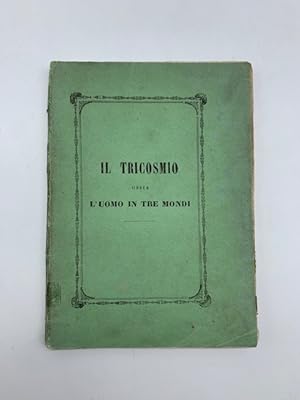
Published by Ditta Castion, Portogruaro 1865
Seller: Coenobium Libreria antiquaria, Asti, AT, ItalyCoenobium Libreria antiquaria
Contact seller3-star sellerCondition: Used
US$ 143.03
US$ 31.24 shippingShips from Italy to U.S.A.Quantity: 1 available
In 16 (cm 12,5 x 17,5), pp. 126. Brossura editoriale. "Quest'operetta e' dedicata dall'autore a Sua Eminenza il Cardinale Patriarca di Venezia, Giuseppe Luigi Trevisanato. L'autore considera l'uomo in tre mondi, ossia il mondo fisico o materiale, il mondo morale ed il mondo spirituale, e viene considerando i doveri che ha l'uomo… nel triplice riguardo e l'armonia che lega questi tre mondi. A render piu' facile l'esposizione e gradevole ancora, scelse la forma dialogica, ponendo ad interlocutori un curato di campagna ed un vecchio agricoltore. Il curato si fa sciogliere ogni difficolta' oppostagli dall'uomo di villa, e bel bello lo istruisce de' suoi doveri. Le piu' astruse verita' sono ridotte alla portata dell'uomo popolare, il racconto s'intreccia bellamente passando da un ordine di cose all'altro, ossia dall'ordine fisico al morale e da questo all'ordine spirituale. Vi regna la piu' pura morale sostenuta da immagini e paragoni molto acconci, e chi legge termina col grato giudizio." ("L'Istitutore. Giornale pedagogico per le scuole., 1863, p. 112). L'autore, l'abate Giuseppe Emo, insegno' italiano e greco al Liceo Ginnasio Foscarini di Venezia, dal 1859 ebbe la direzione della Biblioteca. Redasse, nel 1864, un catalogo, per materie, dei libri della biblioteca poi continuato da altri fino al 1890. Fu autore di una grammatica greca nel 1835 e di uno studio sull'accento e il dittongo greco in Italia. ITA.
