
Minshull Edward (5 results)
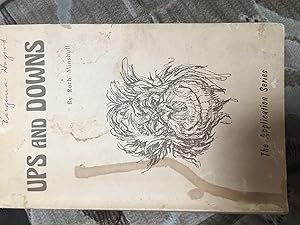
Published by Ann Arbor: Scientology 1976
- Softcover
- First Edition
Seller: Bristlecone Books RMABA, Ridgway, U.S.A.Bristlecone Books RMABA
Contact seller4-star sellerCondition: Used - Good
US$ 34.95
US$ 11.00 shippingShips within U.S.A.Quantity: 1 available
Add to basketSoft cover. Condition: Good. No Jacket. 1st Edition. Good only trade paperback. Extensive Staining to from cover Stated first printing. 104pp. Content VG and mark free sticker from the Church of Scientology of Arizona on 1/2 Tp. Scarce name on front cover "Virginia Hagood.

Published by Publicaciones Dianeticas, Dazet, Mexico 1977
- Softcover
Seller: Xochi's Bookstore & Gallery, truth or consequences, U.S.A.Xochi's Bookstore & Gallery
Contact seller3-star sellerCondition: Used - Very good
US$ 45.00
US$ 5.00 shippingShips within U.S.A.Quantity: 1 available
Add to basketPaper Back. Condition: Very Good. No Jacket. 32pp.; SC staple-bound; red w/blk.; rubbed w/wear on edges&corners; stains,bk.cover; some lt.tan w/clean,tight pgs. Title trans.: "Efficiency - Application Series" Scientology. in Spanish.
Language: English
Published by Scientology Ann Arbor 1969
- Hardcover
- First Edition
Seller: Chapter 1, Johannesburg, South AfricaChapter 1
Contact seller5-star sellerCondition: Used - Good
US$ 150.00
US$ 28.84 shippingShips from South Africa to U.S.A.Quantity: 1 available
Add to basketHardcover. Condition: Good. Dust Jacket Condition: Good. First Edition. Small stamp mark from previous owner on front free end paper page and a small bookplate tipped in. Publication of 166 pages. Small book. The dust jacket is a little shelf rubbed and small tears along the edges. There is light foxing around the block of the b…ook. Internally the pages are clean and complete. Tightly bound and presented in cellophane. The binding is excellent. GK. Our orders are shipped using tracked courier delivery services.
Published by SCIENTOLOGY, MA 1969
- Hardcover
Seller: Princeton Antiques Bookshop / Ruffolo Enterprises, Atlantic City, U.S.A.Princeton Antiques Bookshop / Ruffolo Enterprises
Contact seller5-star sellerHARDBACK LIME GREEN. Condition: VG+. JACKET: GOOD DJ. DJ covered in mylar, DJ slightly sun faded, previous owner signature in pen, very good condition. DATE PUBLISHED: 1969 EDITION: 166.

Published by London: printed; and sold by A. Dodd near Temple-Bar; Mr. Penn in Westminster-Hall; E. Nutt at the Royal-Exchange; and by the booksellers of London and Westminster 1735
- First Edition
Seller: Christopher Edwards ABA ILAB, Henley-on-Thames, United KingdomChristopher Edwards ABA ILAB
Contact seller5-star sellerCondition: Used
US$ 619.74
US$ 5.48 shippingShips from United Kingdom to U.S.A.Quantity: 1 available
Add to basketFolio (380 x 240mm), pp. 25; uncut, sewn as issued (but last leaf very frail, and torn in centre, without loss). First edition. A dialogue in verse between a miser and a poet, undoubtedly inspired by Pope, whose imitations of Horace were enjoying a great vogue at this time. Woodfall's ledgers ascribe this poem to a 'Mr. Minshull…', although as Foxon points out, it is possible that the reference is to the Chester bookseller Randal Minshull. W.S. Lewis guessed that the poem could be the work of John Whaley (1710-45), who was Horace Walpole's tutor at Cambridge. But Lewis's suggestion is based on a misunderstanding, I believe. The younger Horace Walpole, son of the Prime Minister, can hardly have been the dedicatee of this book: in February 1735, when it was published, he had yet to go up to Cambridge (he entered King's in March of that year) and to the wider world he was still unknown. The 'Horatio Walpole, Esquire' named on the title page must be the senior man of that name, his uncle, who was his father's close political associate: that Horatio was currently ambassador to The Hague, and later became Lord Walpole of Wolterton (he was elevated just before he died in 1757). If the real author was called Minshull, he might have been Edward Minshull, who was born about 1685 and educated at St John's Cambridge: he was an associate of Richard Steele, and a whig MP during the years 1715-22. According to the History of Parliament, the date of his death is unknown but he could still have been alive and writing in early 1735, and seeking preferment from so powerful a man as the Prime Minister's brother. Foxon M270.

