Order Total (1 Item Items):
Shipping Destination:

Pulp Novels (42 results)
Skip to main search results
Search filters
Product Type
- All Product Types
- Books (41)
- Magazines & Periodicals (1)
- Comics (No further results match this refinement)
- Sheet Music (No further results match this refinement)
- Art, Prints & Posters (No further results match this refinement)
- Photographs (No further results match this refinement)
- Maps (No further results match this refinement)
- Manuscripts & Paper Collectibles (No further results match this refinement)
Condition Learn more
- New (No further results match this refinement)
- As New, Fine or Near Fine (No further results match this refinement)
- Very Good or Good (5)
- Fair or Poor (No further results match this refinement)
- As Described (37)
Binding
Collectible Attributes
- First Edition (21)
- Signed (No further results match this refinement)
- Dust Jacket (1)
- Seller-Supplied Images (42)
- Not Print on Demand (42)
Language (1)
Free Shipping
- Free Shipping to U.S.A. (No further results match this refinement)
Seller Location
Seller Rating
-

Book and Magazine Collector : No 130 Jan 1995 / Margaret Mitchell's 'Gone With the Wind', Stella Gibbons and 'Cold Comfort Farm', Lionel Edwards sporting artist, pulp hero 'Doc Savage', Ann Radcliffe's gothic novels, books about France, the 'Narnia' books of CS Lewis
Published by Diamond Publishing Group Ltd, 1995
Magazine / Periodical
Soft cover. Condition: Very Good. 148 pages. Illustrated. Margaret Mitchell's 'Gone With the Wind', Stella Gibbons and 'Cold Comfort Farm', Lionel Edwards sporting artist, pulp hero 'Doc Savage', Ann Radcliffe's Gothic novels, books about France, the 'Narnia' books of CS Lewis.
-
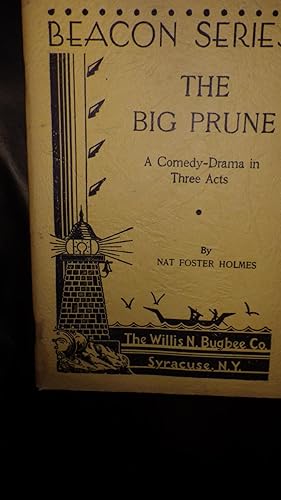
The Big Prune ( a Play ) Beacon Series, BUGBEE'S BEACON PLAYS, COMEDY DRAMA IN 3 ACTS, The Scene Living Room of home of Uncle Zeb Crane
Published by Willis N. Bugbee Co. , Syracuse, NY, 1940
Seller: Bluff Park Rare Books, LONG BEACH, CA, U.S.A.
Association Member: IOBA
Seller rating 5 out of 5 stars

First Edition
Soft cover. Condition: Very Good. No Jacket. 1st Edition. SOFTCOVER, 1940, 1st edition, VG-, PAPERBACK, Yellow illustrated Cvr of early Boat & Light Beacon light rub, Wear, 4 3/4 X 7 1/2 IN. Textured yellow wrappers, publisher's Beacon Series design & lettering in black on cover, 68 pgs, Light stain on exterior SPINE EDGE.
-
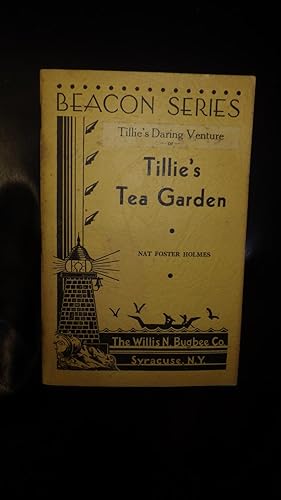
Tillie's Tea Garden ( a Play ) OR Tillie?s Daring Venture, Beacon Series, BUGBEE?S BEACON PLAYS, COMEDY DRAMA IN 3 ACTS, The Scene the Orchard of an old, well-to-do Home, now being converted into a Tea Garden
Published by Willis N. Bugbee Co. , Syracuse, NY, 1936
Seller: Bluff Park Rare Books, LONG BEACH, CA, U.S.A.
Association Member: IOBA
Seller rating 5 out of 5 stars
First Edition
Soft Cover. Condition: Very Good. No Jacket. 1st Edition. SOFTCOVER, 1936, 1st edition, VG-, PAPERBACK, Yellow illustrated Cvr of early Boat & Light Beacon light rub, Wear, 4 3/4 X 7 1/2 IN. Textured yellow wrappers, publisher's Beacon Series design & lettering in black on cover, 84 pgs, Light stain on btm margin of most pgs Thruout.
-
Ten Minutes for Lunch ( a Play ) , BUGBEE'S Popular PLAYS, Three act play with plot & a Punch TAKES PLACE IN SMALL CITY IN MIDDLE WEST, interior of small Lunch counter near Railway Station,
Published by Willis N. Bugbee Co. , Syracuse, NY, 1940
Seller: Bluff Park Rare Books, LONG BEACH, CA, U.S.A.
Association Member: IOBA
Seller rating 5 out of 5 stars
First Edition
Soft cover. Condition: Good. No Jacket. 1st Edition. SOFTCOVER, 1940, 1st edition, GOOD+, PAPERBACK with Cover Stains, Yellow illustrated Cvr of art Deco light rub, Wear, 4 3/4 X 7 1/2 IN. Textured yellow wrappers, , 76 pgs, Small Light stain on outer edge , Cast of Characters Pop Dryden, Eccentric Old Chap, Allen Dryden, His son, Dave Ross, Picture Theatre Manager, Skipper, Crack-Pot Hobo, Trixie Lavelle, a Friend Indeed, Thelma Lytell, modern young woman , who stops off for lunch & buys the restaurant ETC.
-

Battling Barker
Published by Published by Hutchinson & Co., Paternoster Row, London Third Edition circa . London circa 1925., 1925
Seller: Little Stour Books PBFA Member, Canterbury, United Kingdom
Association Member: PBFA
Seller rating 5 out of 5 stars
US$ 24.23
US$ 40.32 shipping
Ships from United Kingdom to U.S.A.Quantity: 1 available
Add to basketThird edition hard back binding in publisher's original black cloth covers, black title and author lettering to the spine and to the upper panel. 8vo. 7½'' x 5½''. Contains 288 printed pages of text. Ink name inside dated 1925 and in Very Good clean and bright condition, no dust wrapper. Member of the P.B.F.A. LITERATURE 1900-1925.
-
LGBTQ Pulp Fiction and Lesbian Representation Across Cold War and Sexual Revolution Eras, 1952-1977
Publication Date: 1952
Seller: Max Rambod Inc, Woodland Hills, CA, U.S.A.
Seller rating 5 out of 5 stars
Priest, J.C.; Scott, Les; Morton, Bowie; MacLane, Kirby. Group of four lesbian and bisexual pulp novels published between 1952 and 1977, documenting evolving representations of same-sex female desire and gender nonconformity within mid-twentieth-century popular fiction. Spanning the early Cold War through the sexual revolution, these works illustrate shifting narrative frameworks in which lesbian relationships were alternately depicted as psychological conflict, exoticized spectacle, or components of broader explorations of sexuality. Issued by publishers including Beacon Books, Arco Publishing, Kozy Books, and Softcover Library, the archive reflects how queer themes were adapted to changing market conditions and cultural attitudes over a twenty-five-year period. Priest, J.C. Forbidden. New York: Universal Publishing and Distributing Corp., 1952; Scott, Les. Twilight Women. New York: Arco Publishing Co., 1952; Morton, Bowie. Marie. New York: Kozy Books, 1953; MacLane, Kirby. For Women Only. London: W.H. Allen, 1977. Four mass-market paperback volumes in original wrappers. Cover designs employ stylized and often suggestive imagery of women in close proximity, frequently accompanied by taglines emphasizing taboo or unconventional relationships. Forbidden follows a woman's transition from heterosexual domestic life into a same-sex relationship, framed through emotional and psychological tension. Twilight Women situates female relationships within a fictionalized South Pacific setting, combining themes of ritual, isolation, and social structure. Marie centers on a female protagonist navigating desire and moral conflict within an urban environment, incorporating symbolic visual elements tied to art and identity. For Women Only, a later reissue of an earlier work, presents a triangular relationship involving both heterosexual and same-sex dynamics, reflecting increased narrative openness in the 1970s. Across the archive, recurring elements include secrecy, internal conflict, and shifting depictions of agency. Produced during periods of both restrictive social norms and later liberalization, these works demonstrate how lesbian and bisexual themes were continually reframed within commercial publishing. Earlier titles emphasize deviance and moral struggle, while the later volume reflects a shift toward more explicit and psychologically complex portrayals aligned with changing public discourse. The archive supports research into LGBTQ literary history, pulp publishing practices, and the evolution of gender and sexuality in popular culture from the 1950s through the 1970s. Moderate edge wear, rubbing, and spine creasing, with toning to pages more pronounced in earlier volumes; overall good to very good condition. A representative grouping illustrating the transformation of lesbian pulp fiction across two distinct cultural periods.
-

LGBTQ Pulp Fiction and Lesbian Narrative Formation in 1955-1967 Paperbacks Including Manning Stokes
Publication Date: 1955
Seller: Max Rambod Inc, Woodland Hills, CA, U.S.A.
Seller rating 5 out of 5 stars
Norday, Michael; Stokes, Manning; Maxwell, J. Malcom; Irwin, Amy; Russo, Paul. Group of five lesbian pulp novels published between 1955 and 1967, documenting evolving representations of same-sex female relationships within mid-century American mass-market fiction. Emerging from the postwar paperback boom through the early sexual revolution, these works present recurring narrative structures centered on desire, jealousy, and interpersonal conflict, often framed through moral tension or social transgression. The inclusion of prolific pulp author Manning Stokes situates the archive within a network of commercially successful writers who shaped the depiction of lesbian relationships for a broad readership during a period of restricted but expanding visibility. Norday, Michael. Warped. Beacon Books, 1955; Stokes, Manning. Triangle of Sin. Beacon Books, 1959; Maxwell, J. Malcom. The Twisted Path. Universal Publishing, 1963; Irwin, Amy (Harry Kantor). Bedroom A Go-Go. North Hollywood, CA: Brandon House, 1966; Russo, Paul. Soft Shoulders. New York: Midwood Books, 1967. Five mass-market paperback volumes, each approximately 4.25" x 7" (one slightly smaller) and ranging between roughly 150 and 250 pages. Cover illustrations employ bold color palettes and stylized compositions of women in intimate or suggestive proximity, often emphasizing emotional tension or erotic intrigue. Warped centers on two sisters entangled in desire for the same woman, establishing themes of rivalry and taboo. Triangle of Sin frames a heterosexual marriage disrupted by a woman's involvement with two female partners, incorporating a triangular relational structure. The Twisted Path follows a young woman introduced to a social world of sexual experimentation by a lesbian acquaintance, situating same-sex relationships within urban settings. Bedroom A Go-Go depicts a performer leveraging her relationships with women within the entertainment industry, linking sexuality and ambition. Soft Shoulders presents a developing romantic relationship between women, emphasizing emotional and physical intimacy. Across the archive, taglines and visual design foreground secrecy, desire, and transgression. Produced during a period of expanding paperback distribution and gradual shifts in public discourse on sexuality, these works illustrate how lesbian themes were marketed and consumed within popular fiction. Publishers such as Beacon, Universal, Brandon House, and Midwood contributed to a competitive marketplace that relied on provocative imagery and sensational framing while introducing varying degrees of narrative complexity. The archive supports research into LGBTQ literary history, pulp publishing practices, and mid-twentieth-century representations of gender and sexuality in mass culture. Light wear and creasing consistent with age; overall very good condition. A cohesive grouping illustrating over a decade of lesbian pulp fiction and its evolving narrative conventions.
-

LGBTQ Pulp Fiction and Early Lesbian Representation in 1949-1965 Paperbacks Including Edwin West Titles
Publication Date: 1949
Seller: Max Rambod Inc, Woodland Hills, CA, U.S.A.
Seller rating 5 out of 5 stars
Wood, Clement; Goddard, Gloria; West, Edwin; Whitmore, Linda. Group of four lesbian and bisexual pulp novels published between 1949 and 1965, documenting early development and expansion of lesbian representation in American mass-market fiction. Beginning with Fair Game (1949), an early example of the genre and one of the few co-authored by a woman, the archive traces the emergence of narratives centered on women exploring same-sex relationships within urban environments and socially restrictive contexts. The inclusion of two works by Edwin West (pen name of Donald E. Westlake), later identified by Barbara Grier in The Lesbian in Literature as "A"-tier titles for their substantive lesbian characters and narrative focus, marks the group as significant within the hierarchy of pulp representation. Together, the volumes illustrate how lesbian and bisexual identities were depicted across the transition from immediate postwar culture into the more commercially expansive 1960s paperback market. Wood, Clement and Goddard, Gloria. Fair Game. New York: Beacon Books, 1949; West, Edwin (Donald E. Westlake). Young and Innocent. Derby, CT: Monarch Books, 1960; West, Edwin (Donald Westlake). Strange Affair. Connecticut: Monarch Books, 1962; Whitmore, Linda (Roger Conway). The Golden Nymph. New York: Lancer Books, Inc., 1965. Four mass-market paperback volumes, each approximately 4.25" x 7" and ranging between roughly 150 and 250 pages. Cover illustrations feature stylized compositions of women in intimate or suggestive proximity, often emphasizing emotional tension or romantic intrigue. Fair Game follows four women navigating life in New York City, including a character who discovers same-sex desire, with the narrative framed around independence and experimentation. Young and Innocent presents a workplace relationship between a young intern and her editor, structured through power dynamics and attraction. Strange Affair centers on a developing relationship complicated by jealousy and interpersonal conflict among multiple women. The Golden Nymph follows a bisexual fashion model engaged in relationships across social and professional spheres, incorporating both heterosexual and same-sex encounters. Taglines across the volumes emphasize taboo, secrecy, and social condemnation. Spanning from one of the earlier known lesbian pulp narratives to more developed 1960s examples, this archive illustrates the progression of thematic and narrative complexity within the genre. Publishers such as Beacon, Monarch, and Lancer contributed to the circulation of these works within a rapidly expanding paperback marketplace, shaping how lesbian and bisexual identities were presented to a broad audience. The presence of Fair Game as an early text alongside later Westlake titles allows for comparative study of changing narrative tone, characterization, and audience expectations. The archive supports research into LGBTQ literary history, gender and sexuality in postwar popular culture, and the commercial mechanisms that enabled the dissemination of queer-themed fiction. Light wear and creasing consistent with age; overall very good condition. A cohesive grouping illustrating early formation and mid-century development of lesbian pulp fiction.
-

LGBTQ Pulp Fiction and Bisexual Representation in American Paperbacks, 1950-1970, Including Works by Orrie Hitt
Publication Date: 1950
Seller: Max Rambod Inc, Woodland Hills, CA, U.S.A.
Seller rating 5 out of 5 stars
Ronald, James; Hitt, Orrie; Roget, A.L.; Gavin, Frank; Roberts, Herb. Group of five lesbian and bisexual pulp novels published between 1950 and 1970, documenting the evolution of same-sex female representation and bisexual themes within mid-century American popular fiction. Issued across two decades spanning the postwar period through the early sexual revolution, these works trace changing narrative approaches to gender, desire, and domestic life. Early titles emphasize jealousy, repression, and social conflict, while later works incorporate more explicit depictions of sexual experimentation and non-normative relationships. The inclusion of Orrie Hitt, a prolific figure in mid-century pulp publishing, situates the archive within a broader network of commercial writers who shaped the portrayal of queer identities under the constraints of mass-market distribution and moral regulation. Ronald, James. The Angry Woman. New York: Bantam Books, 1950; Hitt, Orrie. Sin Doll. New York: Beacon-Signal Books, 1963; Roget, A.L. The Secret Places. New York: Domino Books, 1965; Gavin, Frank. Connie. California: Private Edition, 1966; Roberts, Herb (Robert Carney). Strange Wife. New York: Softcover Library, 1970. Five mass-market paperback volumes, each measuring approximately 4.25" x 7" and ranging between roughly 150 and 250 pages. Cover illustrations consistently deploy the visual language of pulp fiction, featuring women in states of emotional tension or intimacy, often juxtaposed with male figures to frame heterosexual and same-sex dynamics. The Angry Woman presents a narrative of possessive female attachment within a heterosexual framework, while Sin Doll follows a model's involvement in illicit photography circles with the presence of lesbian characters. The Secret Places depicts a developing relationship between a student and her dance instructor, with cover imagery emphasizing intimacy between women. Connie situates bisexual experience within suburban domestic life and group sexual dynamics, and Strange Wife foregrounds marital tension through the premise of a husband confronting his wife's same-sex relationships. Taglines and cover text emphasize secrecy, jealousy, initiation, and transgression as recurring thematic elements. Produced during a period of expanding paperback circulation and loosening obscenity standards, these works illustrate how lesbian and bisexual themes were marketed to a broad readership through sensationalized narratives and provocative cover art. The chronological span of the archive allows for comparison between early postwar depictions of same-sex desire as disruptive or pathological and later portrayals aligned with emerging sexual openness of the 1960s and early 1970s. The material supports research into LGBTQ literary history, gender norms in popular culture, and the commercial strategies of pulp publishers responding to shifting public attitudes. Light wear and creasing to covers with age toning to pages; overall very good condition. A representative grouping demonstrating two decades of queer-themed pulp fiction and its evolving narrative and visual conventions.
-

Postwar American Pulp Novels Depicting Female Same-Sex Desire and Gender Nonconformity
Publication Date: 1959
Seller: Max Rambod Inc, Woodland Hills, CA, U.S.A.
Seller rating 5 out of 5 stars
Various authors, group of lesbian-themed pulp novels, 1959-1965, documenting representations of female same-sex desire and gender nonconformity within mid-twentieth-century American mass-market publishing. The material operates in Cultural/Representational Mode, illustrating how lesbian identity and relationships were depicted within commercially driven pulp fiction, often framed through sensational or coded narratives, and providing insight into early forms of queer visibility under conditions of cultural repression. Produced for wide distribution through informal retail networks such as drugstores and bus stations, these works reflect both the constraints and possibilities of representing queer themes in popular literature. Various authors. Group of five paperback novels. New York: Berkley Books, Midwood, and Beacon Books, 1959-1965. Archive includes: [1] Mark, Edwina. The Odd Ones. New York: Berkley Books, 1959, depicting a woman's emotional entanglement with her roommate and exploring non-normative female relationships; [2] Mayo, Dallas. Everybody Welcome. New York: Midwood, 1963, set within a social gathering where characters engage in shifting sexual and relational dynamics, including same-sex encounters; [3] Adlon, Arthur. The One Between. Beacon Books, 1962, centering a female protagonist navigating competing relationships with a man and a woman, framed through themes of social expectation and personal identity; [4] Lord, Sheldon. Kept. New York: Midwood, 1960, portraying a woman's disillusionment with heterosexual relationships alongside the development of an emotionally significant connection with another woman; [5] Russo, Paul V. Into the Fire. New York: Midwood, 1965, following a woman leaving marriage and forming a relationship with another woman, presented within the conventions of pulp narrative structure. Covers feature illustrated scenes emphasizing interpersonal tension and stylized figures, with marketing language reflecting period attitudes toward sexuality. These novels document a period when lesbian themes were largely excluded from mainstream literary acceptance yet circulated widely through pulp formats, often framed as sensational or deviant while simultaneously providing points of recognition for queer readers. The narratives reveal tensions between moral framing and empathetic characterization, contributing to the study of LGBTQ+ literary history and mass-market publishing practices. Light creasing and minor edge wear to covers; text blocks complete and intact; overall good to very good condition. A focused grouping illustrating the role of pulp fiction in shaping early representations of lesbian identity in postwar American print culture.
-

LGBTQ Lesbian and Bisexual Pulp Fiction Mid-Century Paperback Collection 1962-1965
Publication Date: 1962
Seller: Max Rambod Inc, Woodland Hills, CA, U.S.A.
Seller rating 5 out of 5 stars
Lake, Lester; Elliott, Don; Raymond, Rick; Holliday, Don. Lesbian and bisexual pulp fiction collection, 1962-1965, documenting the portrayal of same-sex desire, gender roles, and sexual identity within mid-twentieth-century mass market literature. These works situate queer themes within commercially produced pulp fiction, reflecting how publishers navigated censorship and public curiosity by framing same-sex relationships through sensational, moral, and psychological narratives. The collection provides insight into how lesbian and bisexual identities were represented, often through tension between social norms and personal desire, within a widely circulated literary format. Collection comprises 5 mass market paperback novels. [1] Lake, Lester. A Tender Bed. Sundown Reader, 1964. A narrative centered on romantic rivalry and same-sex attraction, framed through interpersonal conflict and domestic relationships, with cover art emphasizing dramatic tension between characters. [2] Elliott, Don (pseudonym of Robert Silverberg). Sex II. Intimate Editions, 1963. Set within a collegiate environment, the novel presents experimentation and social interaction among young adults, incorporating same-sex relationships within broader depictions of campus life. [3] Elliott, Don. The Nite Lusters. Sundown Reader, 1964. A work combining themes of social marginalization and emotional conflict, presented through the stylistic conventions of pulp fiction marketing. [4] Raymond, Rick. AC-DC Sex. Bedstand Books, 1965. Addresses bisexuality through a central character navigating attraction across genders, with cover imagery symbolizing dual desire. [5] Holliday, Don. Orgy Night. Leisure Books, 1962. Incorporates elements of crime and suspense alongside depictions of same-sex relationships, consistent with mid-century pulp blending of genres. Across the collection, cover designs utilize bold color, staged figures, and suggestive taglines characteristic of the period's marketing strategies. Produced during a period when LGBTQ themes were restricted within mainstream publishing, these works demonstrate how pulp fiction functioned as a primary medium for the circulation of queer narratives, often coded through sensationalism and moral framing. The inclusion of pseudonymous authorship reflects broader publishing practices surrounding controversial subject matter. Light wear to covers, including minor creasing and edge wear; textblocks intact; overall good condition. This collection offers a representative grouping of mid-century pulp fiction addressing lesbian and bisexual themes within popular print culture.
-
LGBTQ+ Literature Lesbian Pulp Novels by Women Authors Addressing Identity and Relationships in Midcentury America 1956 to 1964
Publication Date: 1958
Seller: Max Rambod Inc, Woodland Hills, CA, U.S.A.
Seller rating 5 out of 5 stars
First Edition
First Edition. Meaker, Marijane writing as Vin Packer; Stevens, Toni; Clanton, Carol. Lesbian pulp novels (1956-1964). These works document lesbian representation within midcentury American pulp fiction through novels authored by women, a subset of the genre that diverged from dominant patterns of male pseudonymous authorship. Published during a period when homosexuality was widely pathologized and censored, these texts present narratives centered on relationships, identity, and emotional experience, providing evidence of how lesbian characters were written with greater interiority and, in some cases, non-punitive outcomes. The material supports research into LGBTQ literary history, gender and authorship, and the development of alternative narrative frameworks within commercial paperback publishing during the mid-twentieth century. Four mass market paperback volumes published between 1956 and 1964, each approximately 200 pages and measuring about 4.75 x 7 inches. [1] Packer, Vin (Marijane Meaker). The Evil Friendship. Greenwich, Conn: Fawcett Publications, 1958. First printing. Follows two teenage girls exploring romantic attachment, marketed as "Vin Packer's latest study of the tragedy of forbidden love," situating same-sex desire within a framework of social taboo. [2] Stevens, Toni. Carla. New York: Beacon-Signal Books, 1964. First edition, "Never Before Published." Centers on a twenty-year-old woman navigating her first lesbian relationship, with promotional language addressing "the day-to-day details of lesbianism" and identity formation, including the phrasing "To the world - a Les, to her lovers - butch, to herself - tramp." [3] Packer, Vin (Marijane Meaker). Dark Don't Catch Me. Greenwich, Conn: Fawcett Publications, 1956. First edition, first printing. An interracial narrative addressing racial violence and communal guilt, with cover text emphasizing the aftermath of a false accusation: "The murder was easy. but it was the town that wore the shroud." [4] Clanton, Carol. Gay Interlude. New York: Midwood Books, 1961. Presents a relationship between two women framed through emotional and social conflict, with cover text describing "the frank and revealing story of a girl. forced beyond the pale of public acceptance." Covers feature illustrated women in stylized, intimate poses against brightly colored backgrounds, consistent with midcentury pulp marketing strategies; one cover attributed to Paul Rader. These novels were produced within a commercial publishing environment shaped by censorship standards, market demand for sensational content, and emerging readerships seeking representations of same-sex desire. While many pulp narratives framed lesbian relationships through tragedy or moral consequence, works by women authors introduced more complex characterizations and, at times, more favorable narrative outcomes. Marijane Meaker's contributions under the name Vin Packer have been associated with early shifts toward more self-aware and less punitive portrayals within the genre. As a group, these texts provide primary evidence for the study of lesbian representation, authorship, and readership in the decades preceding broader LGBTQ visibility in mainstream publishing. Light wear to covers with minor rubbing; textblocks tight and interiors clean. Overall very good condition.
-
Pre-Stonewall Lesbian Pulp Archive Exploring Repression, Desire, and Queer Emotional Survival, 1960-1967
Publication Date: 1964
Seller: Max Rambod Inc, Woodland Hills, CA, U.S.A.
Seller rating 5 out of 5 stars
An Collection of four lesbian-themed midcentury paperback originals. Published between 1960 and 1967. A striking collection of pulp novels foregrounding female same-sex desire, emotional repression, and societal condemnation at the height of postwar moral conservatism. These works circulated primarily through drugstore racks and mail-order catalogs, offering coded narratives for queer women while sensationalizing their experiences for mainstream consumption. Each novel encapsulates a different facet of lesbian representation during the pulp era-ranging from marriages fractured by hidden identities, to romantic awakenings crushed by external pressures, to social thrill-seeking in sexually charged leisure settings. Collectively, the archive captures the dissonance between desire and repression that defined much of LGBTQ pulp fiction in this period. [1] Roberts, Herb. Strange Wife. New York: Universal Publishing and Distributing Corp., 1964. A classic in the "twilight women" subgenre, this novel follows Dave Travis, a man shocked to discover his wife is a lesbian. The tagline asks: "What would you do if you found yourself married to a lesbian?" The narrative centers on Dave's desperate attempts to assert heterosexual dominance as his wife "competed with him for their attentions." The back cover adds: "Young Dave Travis and his deviate wife. and the cutie little sex kitten, Marcie. and the responsive Madge - a kind of swinging 'other woman.'" Roberts' novel serves as a stark example of midcentury heterosexual panic and commodified lesbianism. [2] Jordan, Cathy. The Path They Choose. New York: Lancer Books (Domino Books imprint), 1966. Marketed as "a Domino original - never before published," this novel portrays a doomed lesbian romance between Laura and Melanie, whose "love was glorious and ecstatic-until the normal world learned of it!" The plot documents their emotional spiral as their relationship is exposed, descending "each step of their flight" into "a spiral staircase plunging headlong into degradation." Through its tragedy, the novel reflects both voyeuristic exploitation and a quiet empathy for queer women punished for seeking intimacy outside heterosexual norms. [3] Semple, Gordon. Summer Resort Women. New York: Universal Publishing and Distributing Corp., 1960. This early pulp explores the sexual undercurrents of women vacationing in American leisure destinations like Palm Springs and Lake Tahoe. The cover features a woman in a towel and a tagline that reads: "A searing novel of restless women-seeking thrills and diversion-at any cost!" The back cover situates the narrative in luxury playgrounds where moral boundaries dissolve: "It is as if pleasure is itself, safe, clean, good. with sexual structure absorbed as a way of life!" Positioned within the tradition of voyeuristic pulp, it gestures toward lesbian desire in homosocial environments. Summer Resort Women has a detached title page. [4] Travis, John and Nick Masters. Bitter Choice / Shadow Love. New York: Midwood Enterprises, 1967. This double novel explores trauma, repression, and the rediscovery of same-sex love. In Bitter Choice, Ada escapes a violent marriage and workplace sexual coercion, turning to another woman for the love "every woman needs." Shadow Love follows Sylvia, haunted by her past relationship with a woman-until an old friend reappears, awakening "all the old ways, the old drives, the old emotions." These parallel narratives illustrate the recurring pulp themes of repression, internalized guilt, and the threat of exposure, but also underline the enduring emotional power of queer love. All volumes are 12mo paperbacks with illustrated covers; bindings remain sound with expected toning to interior pages, rubbing to extremities, and light creasing or edgewear to covers. Overall good to very good condition. A complete archive of four lesbian-themed pulp novels from the pre-Stonewall era, preserving both the voyeurism and veiled empathy embedded in LGBTQ paperback fiction of the 1960s.
-
Archive of Five Lesbian Pulp Novels Exploring Crime, Identity, and Hollywood Subculture
Publication Date: 1960
Seller: Max Rambod Inc, Woodland Hills, CA, U.S.A.
Seller rating 5 out of 5 stars
Flora, Fletcher; Beauchamp, Loren; Richards, Donna; Nemec, John; Ahearn, Sean. Group of five lesbian pulp novels published between 1960 and 1969, documenting mid-century representations of same-sex female relationships within American mass-market fiction. These works present lesbian identity through narratives of obsession, self-discovery, social stigma, and criminal entanglement, reflecting dominant cultural frameworks that positioned same-sex desire as deviant while simultaneously bringing such themes into popular circulation. Produced during a decade of shifting attitudes toward sexuality, the novels illustrate how queer women's lives were depicted within formula-driven pulp structures that combined sensationalism with emerging visibility. Flora, Fletcher. Strange Sisters. New York: Pyramid Books, 1960; Beauchamp, Loren. Strange Delights. New York: Tower Publications, 1962; Richards, Donna (Don Rico). Hollywood Lesbian. Hollywood: France Books, 1963; Nemec, John. Was She a Dyke? Hollywood: Art Enterprises, 1963; Ahearn, Sean. Marijane's Man. Dominion Publishing, 1969. Five mass-market paperback volumes, each approximately 4.25" x 7" and ranging between roughly 150 and 250 pages. Cover designs feature stylized and often provocative imagery of women in close physical proximity, accompanied by taglines emphasizing taboo desire and emotional conflict. Strange Sisters combines crime narrative with obsessive attachment between female characters, culminating in violence. Strange Delights follows a young woman's exploration of same-sex relationships before redirecting toward heterosexual resolution, reflecting common genre conventions. Hollywood Lesbian situates lesbian identity within the film industry, portraying concealed relationships amid professional pressures. Was She a Dyke? centers on internal conflict and social condemnation, framing identity as psychological struggle. Marijane's Man incorporates a criminal plot alongside a queer love triangle, blending suspense with relationship dynamics. Across the archive, recurring elements include secrecy, moral framing, and interpersonal tension. Issued during the 1960s expansion of paperback publishing, these works demonstrate how lesbian themes were marketed to a wide readership through sensational titles and cover art while engaging with evolving social discourse around sexuality. Publishers such as Pyramid, Tower, France Books, Art Enterprises, and Dominion contributed to the circulation of these narratives within a competitive commercial environment. The archive supports research into LGBTQ literary history, pulp fiction conventions, and the cultural positioning of lesbian identity during the early sexual revolution. Light wear consistent with age, with some minor creasing; overall very good condition. A representative grouping illustrating the range of lesbian-themed pulp fiction during the 1960s.
-

LGBTQ Pulp Fiction and Lesbian Representation in 1961-1969 Paperbacks Including The Killing of Sister George
Publication Date: 1961
Seller: Max Rambod Inc, Woodland Hills, CA, U.S.A.
Seller rating 5 out of 5 stars
Castro, Joe; Laurence, Will; Caval, Patrice; Marcus, Frank. Group of four lesbian pulp novels published between 1961 and 1969, documenting pre-Stonewall representations of lesbian identity within American and transatlantic mass-market fiction. These works emerge from a period in which same-sex female relationships were increasingly visible in paperback publishing yet remained framed through secrecy, moral tension, and social marginality. The inclusion of Frank Marcus's The Killing of Sister George, issued in 1969 following the 1968 film adaptation of the 1963 play, situates the archive within a broader cultural moment in which lesbian characters entered theatrical and cinematic circulation with unprecedented visibility. Together, the volumes demonstrate how lesbian identity was constructed across pulp fiction and dramatic literature during the 1960s. Castro, Joe. The Lowest Sins. New York: Midwood Tower Publications, 1961; Laurence, Will. The Go Girls. Connecticut: Monarch Books, 1963; Caval, Patrice. Satan's Mate. Las Vegas: Neva Paperbacks, 1967; Marcus, Frank. The Killing of Sister George. Canada: Bantam Books, 1969. Four mass-market paperback volumes, each approximately 4.25" x 7" and ranging between roughly 150 and 250 pages. Cover art across the group relies on bold color palettes and staged imagery of women in intimate or suggestive proximity, often emphasizing emotional tension or secrecy. The Lowest Sins presents an early narrative of a woman navigating "forbidden" same-sex desire, framed through moralized language common to early 1960s pulp. The Go Girls follows a traveling group known as the Wildcats, incorporating an openly lesbian character whose relationships are integrated into the narrative of mobility and subcultural life. Satan's Mate depicts a protagonist engaged in both heterosexual and concealed lesbian relationships, reinforcing themes of dual identity and hidden desire. The Killing of Sister George reproduces the stage script centered on a radio actress whose personal and professional instability unfolds alongside her relationship with another woman, with the narrative structured around jealousy, dependency, and public exposure. Issued in the decade preceding the Stonewall uprising, these works reflect a transitional phase in the cultural visibility of lesbian identity, moving from coded pulp narratives toward more direct representation in theater and film. Publishers such as Midwood, Monarch, Neva, and Bantam contributed to a growing market for sexually themed fiction, while also shaping how lesbian relationships were framed for popular audiences. The presence of a dramatic text adapted for mass-market readership alongside pulp originals allows for comparative study of narrative tone, characterization, and audience reception across media. The archive supports research into LGBTQ literary and performance history, mid-century censorship and publication practices, and the visual and thematic conventions of lesbian pulp fiction. Light wear and minor creasing to covers with typical age toning; overall very good condition. A cohesive grouping illustrating the range of lesbian representation in popular and dramatic forms during the 1960s.
-

Lesbian Pulp Fiction and Mass-Market Representations of Female Same-Sex Desire, 1962-1964
Publication Date: 1962
Seller: Max Rambod Inc, Woodland Hills, CA, U.S.A.
Seller rating 5 out of 5 stars
First Edition
First Edition. Various authors, group of lesbian-themed pulp novels, 1962-1964, documenting the representation of female same-sex desire within mid-twentieth-century American mass-market publishing. The material operates in Cultural/Representational Mode, illustrating how lesbian identity was depicted through commercially driven narratives that combined sensationalism, moral framing, and coded visibility, and providing insight into the role of pulp fiction in shaping public perceptions of gender and sexuality during a period of cultural restriction. These works reflect the tensions between exploitation and representation, presenting narratives that alternately frame lesbian relationships as deviant, experimental, or emotionally significant. Various authors. Group of four paperback novels. Los Angeles and New York: Raven Book, Boudoir, Midwood, and Universal, 1962-1964. Archive includes: [1] Spencer, Gail. Lesbian Lovers. Los Angeles: Raven Book, 1962, depicting a female protagonist rejecting heterosexual relationships and forming an intimate bond with another woman; [2] Bishop, George. Lesbian Love. Los Angeles: Boudoir, 1964, first printing, presented as a "study" combining pseudo-clinical framing with narrative accounts of same-sex relationships; [3] Bouma, J. L. Never Say No. New York: Midwood, 1964, portraying a relationship between women shaped by power dynamics and secrecy; [4] Kent, Justin. Mavis. Derby, New York: Universal, 1964, following a married woman whose relationship with another woman disrupts domestic life. All volumes feature illustrated covers emphasizing interpersonal tension and stylized female figures, with marketing language characteristic of mid-century pulp publishing. These novels document the circulation of lesbian themes within widely distributed paperback formats during the postwar period, when mainstream literary venues largely excluded such content. The narratives reveal how publishers packaged same-sex desire within frameworks of psychology, morality, and sensational storytelling, while still providing points of recognition for readers seeking representation. As a group, the works contribute to the study of LGBTQ+ literary history, gender norms, and the economics of pulp publishing. Minor rubbing and occasional spine creasing; no missing pages or internal markings; overall very good or better condition. A representative grouping illustrating the conventions and cultural significance of lesbian pulp fiction in mid-century Amer.
-
Archive of Five Lesbian Pulp Novels Addressing Prison Life, Obscenity Law, and Workplace Sexuality
Publication Date: 1956
Seller: Max Rambod Inc, Woodland Hills, CA, U.S.A.
Seller rating 5 out of 5 stars
Burns, Vincent E.; Mark, Edwina; Tryon, Mark; Addams, Kay; Sharon, Sylvia. Group of five lesbian pulp novels published between 1956 and 1964, documenting mid-century American portrayals of same-sex female desire within mass-market fiction. These works present lesbian identity through frameworks of criminality, psychological conflict, and social transgression, reflecting dominant cultural attitudes of the period while simultaneously introducing queer themes into widely circulated literature. The archive includes narratives shaped by institutional settings such as prisons, domestic interiors, and professional environments, demonstrating how lesbian relationships were positioned within broader concerns about morality, gender roles, and social order. The inclusion of a title associated with a United States Supreme Court obscenity case further situates the material within legal debates surrounding censorship and the limits of acceptable sexual representation. Burns, Vincent E. Female Convict. New York: Pyramid Books, 1956; Mark, Edwina. The Odd Ones. New York: Berkley Books, 1959; Tryon, Mark. The Twisted Loves of Nym O'Sullivan. New York: Universal Publishing and Distributing Corporation, 1960; Addams, Kay (Orrie Hitt). Queer Patterns. New York: Beacon-Signal Books, 1963; Sharon, Sylvia (Paul Little). Sweet Torment. New York: Lancer / Domino Books, 1964. Five mass-market paperback volumes, each approximately 4.25" x 7" and ranging between roughly 150 and 250 pages. Cover designs feature stylized imagery of women in intimate or emotionally charged poses, often accompanied by taglines emphasizing deviance, secrecy, or moral conflict. Female Convict is set within a prison environment, depicting incarceration and same-sex relationships among women inmates. The Odd Ones explores emotional entanglement between women framed through deviation from conventional femininity. The Twisted Loves of Nym O'Sullivan follows a protagonist shaped by early exposure to anti-male ideology, later navigating complex adult relationships; the work was subject to obscenity litigation. Queer Patterns presents a young woman introduced to lesbian relationships through an older partner, emphasizing transformation and discovery. Sweet Torment situates a same-sex relationship within a Hollywood studio, linking sexuality with professional risk. Across the archive, recurring themes include repression, initiation, and the consequences of non-normative desire. Produced during a period of restrictive social norms and active censorship, these novels illustrate how lesbian themes entered mainstream print culture through sensational framing while still offering points of identification and narrative presence for queer readers. Publishers such as Pyramid, Berkley, Universal, Beacon-Signal, and Lancer contributed to the widespread circulation of these works, shaping public perceptions of sexuality through both stigma and visibility. The archive supports research into LGBTQ literary history, obscenity law, gender norms, and the role of pulp fiction in mediating representations of lesbian identity in the mid-twentieth century. Moderate creasing and chipping to some wrappers, others more tightly preserved; pages evenly toned with light handling wear; overall good to very good condition. A representative grouping illustrating the intersection of repression and representation in mid-century lesbian pulp fiction.
-

LGBTQ Pulp Fiction and Lesbian Narrative Development in Early 1960s Paperbacks Including Soft in the Shadows
Publication Date: 1961
Seller: Max Rambod Inc, Woodland Hills, CA, U.S.A.
Seller rating 5 out of 5 stars
Warren, Jay; Villanova, Richard; Turner, John; Wills, Toby. Group of five lesbian pulp novels published between 1961 and 1964, documenting early 1960s representations of same-sex female relationships and emerging bisexual themes within American mass-market fiction. Issued during a period of heightened censorship and moral regulation, these works present lesbian identity through narratives of discovery, conflict, and social marginalization while also expanding into more complex relational structures. The inclusion of John Turner's Soft in the Shadows, later identified by Barbara Grier in The Lesbian in Literature as an "A"-tier work for its substantive lesbian characterization and narrative centrality, distinguishes the archive within the genre's hierarchy of representation. Together, the novels provide a concentrated view of how lesbian and bisexual themes were constructed and circulated in early Cold War paperback culture. Warren, Jay (Ron Singer). The Path Between. New York: Tower Publications, 1961; Villanova, Richard. Her Woman. New York: Universal Publishing and Distribution Corporation, 1962; Turner, John. Soft in the Shadows. New York: Midwood Books, 1963; Villanova, Richard. The Other Kind. New York: Universal Publishing and Distribution Corporation, 1963; Wills, Toby. The Queer Ones. Las Vegas: Playtime Books, 1964. Five mass-market paperback volumes, each approximately 4.25" x 7" and ranging between roughly 150 and 250 pages. Cover designs employ saturated color palettes and staged imagery of women in intimate or emotionally charged proximity, often signaling romantic tension or taboo desire. The Path Between follows a young woman's transition from heterosexual expectation to a relationship with another woman, framed through language of deviance and discovery. Her Woman depicts a relationship between two college roommates, emphasizing emotional dependence and desire. Soft in the Shadows presents a triangular dynamic involving a widow and a married couple, incorporating both heterosexual and same-sex attraction within a single narrative structure. The Other Kind centers on two women confronting the consequences of their relationship within restrictive social expectations. The Queer Ones follows a protagonist grappling with her sexuality after entering a relationship with another woman, with cover text emphasizing compulsion and psychological intensity. Across the group, taglines foreground secrecy, obsession, and social transgression. Produced at the height of early 1960s pulp publishing, these works illustrate how lesbian themes were introduced to a broad readership through formula-driven narratives and visually coded cover art. Authors such as Richard Villanova contributed multiple titles to the genre, reinforcing recurring motifs of identity conflict and relational instability, while Turner's work demonstrates a departure toward more layered depictions of bisexuality and emotional complexity. The archive supports research into LGBTQ literary history, the classification and reception of lesbian pulp fiction as evidenced by Barbara Grier's later bibliographic work, and the commercial mechanisms that shaped queer representation prior to the sexual revolution. Spine creasing, light chipping to some wrappers, with others better preserved; overall very good condition. A cohesive grouping illustrating early 1960s lesbian pulp fiction and its developing narrative range.
-

LGBTQ Pulp Fiction and Lesbian Narrative Forms in 1964-1973 Paperbacks Including D. H. Lawrence Adaptation
Publication Date: 1964
Seller: Max Rambod Inc, Woodland Hills, CA, U.S.A.
Seller rating 5 out of 5 stars
Corgan, Grant; Bouma, J.L.; Brooks, Barbara; Lawrence, D. H.; Longman, Marlene. Group of five lesbian pulp novels published between 1964 and 1973, documenting mid-century and early sexual revolution representations of lesbian relationships and emerging bisexual themes in mass-market fiction. Produced during a period of expanding paperback circulation and loosening censorship standards, these works present recurring narrative structures centered on desire, secrecy, and interpersonal conflict between women. The inclusion of D. H. Lawrence's The Fox in a 1968 pulp edition situates canonical literary treatment of same-sex intimacy alongside commercial pulp narratives, particularly as its republication coincided with the 1967 film adaptation, extending its cultural reach within popular audiences. Together, the archive provides a cross-section of how lesbian identity and relational dynamics were adapted for both literary and mass-market readerships. Corgan, Grant. Swing Shift. New York: Midwood Books, 1964; Bouma, J.L. Never Say No. New York: Tower Publications, Inc., 1964; Brooks, Barbara. A Shameless Need. New York: Tower Publications, 1965; Lawrence, D. H. The Fox. London: Sphere Books, 1968; Longman, Marlene (Robert Silverberg). The Tainted One. San Diego: Greenleaf Classics, Inc., 1973. Five mass-market paperback volumes, each approximately 4.25" x 7" and ranging between roughly 150 and 250 pages. Cover illustrations consistently employ vivid color palettes and staged compositions of women in emotionally charged or intimate positions, often signaling romantic or erotic tension. Swing Shift centers on three women-Chris, Mercy, and Lize-engaged in a triangular relationship, extending into depictions of polyamorous dynamics. Never Say No presents a narrative of deception within a lesbian relationship, reinforced by taglines emphasizing compulsion and control. A Shameless Need similarly develops a triangle structured around competing emotional and sexual attachments. The Fox depicts two women whose relationship is destabilized by the arrival of a male figure, foregrounding tensions between same-sex attachment and heterosexual intrusion. The Tainted One frames lesbian experience through conflict and social stigma, with cover and back text emphasizing moral anxiety and psychological strain. Across the archive, taglines and imagery highlight secrecy, transgression, and emotional intensity as defining elements of the genre. Issued during a transitional cultural period marked by shifting sexual norms, these works illustrate how lesbian and bisexual themes were marketed within both pulp and literary frameworks. Publishers such as Midwood, Tower, Sphere, and Greenleaf positioned these narratives within a competitive paperback marketplace that relied on provocative visual design and sensational framing while gradually incorporating more varied depictions of sexuality. The presence of a Lawrence text alongside pulp originals allows for comparative study between modernist literary exploration of desire and its reinterpretation within commercial genres. The archive supports research into LGBTQ literary history, the visual and narrative conventions of pulp fiction, and the broader evolution of sexual representation in mid-twentieth-century print culture. Light wear and creasing to covers with age toning; overall very good condition. A cohesive grouping illustrating the intersection of literary and pulp approaches to lesbian and bisexual themes across a decade of cultural change.
-

LGBTQ Pulp Fiction and Lesbian Representation in Mid-1960s American Paperbacks Including Midwood and Domino Publications
Publication Date: 1964
Seller: Max Rambod Inc, Woodland Hills, CA, U.S.A.
Seller rating 5 out of 5 stars
Mayo, Dallas; Kemp, Kimberly; Hamilton, Greg; Richards, Donna. Group of four lesbian pulp novels published 1964-1965, a body of commercially produced fiction that documents the emergence of lesbian representation within mid-twentieth-century American paperback culture. These works belong to the postwar pulp publishing sphere, where inexpensive paperbacks circulated widely through newsstands and drugstores, offering some of the earliest mass-market depictions of same-sex female desire. Written under multiple pseudonyms by authors including Gilbert Fox and Don Rico, the novels illustrate how queer themes were encoded within popular fiction markets shaped by censorship, moral scrutiny, and commercial demand. The material provides evidence of how lesbian identity, desire, and social taboo were presented to a broad readership during a period when open representation remained constrained. Mayo, Dallas (Gilbert Fox). Pretty Puppet. New York: Midwood Books, 1964; Kemp, Kimberly (Gilbert Fox). Coming Out Party. New York: Midwood Books, 1965; Hamilton, Greg. The Strange One. New York: Midwood Books, 1965; Richards, Donna (Don Rico). The Odd World. New York: Domino Books, 1965. Four volumes, each issued in first printings as stated on covers or verso. The novels range from approximately 144 to 156 pages and share a consistent small-format paperback presentation. Cover illustrations feature women posed in intimate or emotionally charged proximity, employing the visual language of pulp marketing to signal erotic tension and narrative intrigue. Pretty Puppet follows a central character navigating emotional entanglements with multiple women, while Coming Out Party frames domestic space and social gathering as sites of concealed desire. The Strange One presents a protagonist engaged in successive same-sex relationships, and The Odd World contrasts generational experience through interactions between an older and younger woman. Taglines printed on the covers emphasize secrecy, initiation, and emotional intensity, reinforcing recurring thematic patterns across the genre. Issued during a period of expanding paperback distribution in the United States, these novels correspond to a broader mid-1960s surge in sexually themed pulp fiction, in which lesbian narratives occupied a distinct niche shaped by both exploitation and coded visibility. Publishers such as Midwood and Domino played a central role in disseminating these works, often relying on pseudonymous authorship and sensational cover art to attract readership while navigating obscenity regulations. The archive offers concentrated evidence of narrative conventions, marketing strategies, and visual aesthetics associated with lesbian pulp fiction, supporting research into LGBTQ literary history, Cold War-era sexual culture, and mass-market publishing practices. Light edge wear and minor rubbing to covers, pages toned as typical; overall very good condition. A cohesive and well-preserved grouping illustrating a formative moment in the circulation of lesbian-themed popular literature.
-
LGBTQ Lesbian Pulp Fiction Archive Mid Century Paperback Collection 1961 to 1969
Publication Date: 1961
Seller: Max Rambod Inc, Woodland Hills, CA, U.S.A.
Seller rating 5 out of 5 stars
First Edition
Various authors. Lesbian pulp paperback collection, 1961 to 1969, documents mid-century representations of lesbian identity within commercial publishing, providing insight into how same-sex desire, gender roles, and emotional relationships were constructed and circulated prior to the gay liberation movement. Produced for a mass-market audience, these novels contributed to one of the primary accessible literary forms through which lesbian themes entered public awareness, often combining sensational marketing with narratives that ranged from exploitative to occasionally sympathetic portrayals. The collection supports research into LGBTQ+ cultural history, pulp publishing, and the negotiation of sexuality within constrained mid-20th-century media environments. Alvers, Bob. Bedroom Sinners. Royal Line Novels, 1967. First edition. ---. Johns, Gil and Reading, Mark. Sweet Sickness and Ladies Choice. New York: Midwood, 1969. First edition. ---. Dean, Ralph. One Kind of Woman. New York: Beacon-Signal Books, 1963. Second printing. ---. Castro, Joe. The Lowest Sins. New York: Tower Publications, 1961. ---. Napier, Dominique. Never Love A Man. New York: Universal Publishing, 1962. ---. Vincent, Gabrielle. Woman Alone. New York: Beacon-Signal Books, 1961. First edition. Six mass market paperbacks, each measuring approximately 4.25 x 7 inches. The volumes feature illustrated and photographic covers typical of the genre, frequently depicting women in intimate or suggestive poses, often situated in domestic interiors. Promotional taglines emphasize desire, transgression, and emotional conflict, including narratives of women rejecting or leaving relationships with men, exploring same-sex intimacy, or navigating abusive heterosexual environments. One Kind of Woman presents a comparatively sympathetic narrative of a woman leaving an abusive marriage for a relationship with another woman, while other titles foreground sensational themes of sexuality and experimentation. Published during a period when lesbian representation was largely confined to coded or exploitative formats, these works collectively illustrate the range of narrative approaches within pulp fiction, from moralizing frameworks to more complex depictions of emotional attachment. Such material played a role in shaping both external perceptions and internal understandings of lesbian identity in the pre-Stonewall United States, despite operating within commercial constraints and censorship pressures. The collection offers a concentrated view of visual and textual strategies used to signal taboo subject matter while maintaining market viability. Light edge wear with minor rubbing to covers, pages clean with typical age toning; bindings intact; overall very good. A representative archive of 1960s lesbian pulp fiction and its varied narrative treatments of same-sex desire.
-
Trans Pulp Literature Addressing Gender Nonconformity and Cross Dressing, 1960s
Publication Date: 1964
Seller: Max Rambod Inc, Woodland Hills, CA, U.S.A.
Seller rating 5 out of 5 stars
[LGBT] [Trans Pulps] Archive of three mid twentieth century pulp novels documenting the portrayal of cross dressing, sexual transgression, and gender nonconformity within American popular literature during the 1960s. Mass market paperbacks formed a major channel through which controversial or taboo subjects entered print circulation during the postwar decades. Pulp publishers frequently framed homosexuality, transvestism, and other non-normative sexual identities through sensational narratives designed to attract readers while operating within a culture shaped by censorship laws, psychiatric pathologization of homosexuality, and police scrutiny of queer communities. These titles illustrate how queer identity and gender variance were publicly discussed in mid century print culture prior to the emergence of organized gay liberation movements later in the decade. Archive of three paperback pulp novels issued by West Coast publishers associated with the mid century adult paperback industry, in the United States, 1964-1967. 8vo. [1] Sex Life of a Transvestite. Los Angeles: Century Books / K. D. S. Publishing Co., 1964. 157 pages. Advertised on the cover as "exposing the secret double life of men who dress in 'drag.'" The text frames cross dressing through a confessional narrative, the transcribed experience of a pseudonymized "Leonard Wheeler," as a "practicing transvestite." The novel describes an individuals story of desire, secrecy, and social stigma, reflecting contemporary medical and moral discourse surrounding gender variance. [2] White, Lee. The Satin Prince. North Hollywood, California: All Star Books, 1966. 155 pages. Narrative centered on a fictitious male protagonist experience, as he confronts his desire to adopt feminine clothing and identity. Promotional language on the cover describes "the gripping story of a strong man tortured by his own weaknesses," illustrating the era's tendency to depict gender nonconformity through psychological conflict. [3] Walker, L. H. The Lascivious Abbot. San Diego: Greenleaf Classics, Inc., 1967. 192 pages. Erotic historical novel issued as a Greenleaf Classic and introduced by L. T. Woodward, M.D. Cover text poses the question of whether the central character is "an effeminate boy" or "a true transvestite," demonstrating the sensational framing commonly used in pulp fiction to market themes of sexual deviance and ambiguous gender identity. Mid century pulp paperbacks circulated widely through drugstores, bus stations, and newsstands, making them one of the most accessible forms of printed entertainment in the United States during the 1950s and 1960s. Publishers frequently exploited public curiosity surrounding sexuality and gender variance, producing narratives that blended sensationalism with elements of psychological confession or moral caution. Although often marketed as scandalous exposés, such works now serve as valuable cultural documents preserving early mass market representations of queer identity during a period when homosexuality remained criminalized in many jurisdictions and open discussion of transgender identity was largely confined to medical literature. Light toning and edge wear typical of mid century pulp paperbacks; covers intact and text complete. Overall very good condition. Grouping offers a compact archive illustrating how gender nonconformity entered American popular print culture during the 1960s.
-
Transgender and Cross-Dressing Narratives in Mid-Century American Pulp Fiction and Memoir, 1950-1968
Publication Date: 1950
Seller: Max Rambod Inc, Woodland Hills, CA, U.S.A.
Seller rating 5 out of 5 stars
First Edition
First Edition. Engstrand, Stuart and Lafayette, Richard/Rachel archive documents early literary and quasi-autobiographical treatments of cross-dressing and transgender identity in American and translated pulp publishing between 1950 and 1968, when gender variance was framed through psychological, medical, and moral discourse. Produced during a period of heightened scrutiny of sexuality and identity under mid-century social norms, these works present narratives of gender nonconformity that oscillate between sympathetic portrayal and sensational framing. The archive captures evolving terminology and conceptualization of "transsexualism" prior to its wider clinical and cultural recognition, supporting research in transgender history, LGBTQ print culture, and the intersection of literature and medical discourse. Engstrand, Stuart. The Sling and the Arrow. New York: Signet Books / New American Library, 1950. First Signet printing, abridged from the 1947 edition. Lafayette, Richard/Rachel. The Transexual: The True Story of a Man Turned Woman! Canoga Park, California: Viceroy Books, 1968. First edition. Two volumes, standard mass-market paperback format. The Sling and the Arrow presents a narrative centered on a married man whose engagement with cross-dressing produces psychological conflict and social alienation, offering an early fictional treatment of gender variance within domestic life. The Transexual adopts a confessional framework, presenting a first-person account of gender transition while incorporating medicalized language and explanatory framing through translation and editorial introduction. Both works employ pulp conventions of provocative titling and marketing, while addressing themes of identity, embodiment, and social constraint. These publications emerged within a cultural and legal framework shaped by obscenity restrictions and the legacy of the Comstock Laws, as well as mid-century psychiatric classification systems that pathologized gender nonconformity. By the late 1960s, increasing visibility of transgender narratives and shifting medical discourse began to alter public understanding, coinciding with broader transformations in LGBTQ activism leading into the Stonewall Riots. Light wear consistent with age; overall good to very good condition. A focused pairing illustrating early literary and popular representations of transgender experience and cross-dressing in mid-20th century print culture.
-
Lesbian Pulp Fiction and Sexual Identity Narratives in Cold War America Mass-Market Paperback Archive, 1955-1964
Publication Date: 1955
Seller: Max Rambod Inc, Woodland Hills, CA, U.S.A.
Seller rating 5 out of 5 stars
Mid-20th century American lesbian pulp novel archive documents the circulation of same-sex female desire within mass-market publishing during the 1950s and early 1960s, when homosexuality was framed through deviance, criminality, and psychological disorder in both law and popular discourse. Issued between 1955 and 1964, these works demonstrate how lesbian identity entered commercial print through sensationalized narratives that nevertheless provided access to queer representation for a broad readership. The archive includes authors writing under both pseudonyms and given names, notably Valerie Taylor (Velma Nacella Young), whose work departs from dominant exploitative conventions through more sustained attention to lesbian interiority and community. These volumes support research in LGBTQ print culture, Cold War sexual regulation, and the development of lesbian literary expression prior to gay liberation movements. Norday, Michael. Strange Thirsts. New York: Beacon Books, 1955. Marr, Reed. Women Without Men. New York: Gold Medal Books, 1957. Salem, Randy (Pat Perdue). Chris. New York: Beacon Books, 1959. Tryon, Mark. The Twisted Loves of Nym O'Sullivan. New York: Beacon Books, 1960. Taylor, Valerie (Velma Nacella Young). Unlike Others. New York: Midwood-Tower, 1963. Sharon, Sylvia. Sweet Torment. New York: Domino Books, 1964. Six volumes, each approximately 150 to 250 pages, standard mass-market format. Illustrated wrappers employ pulp conventions of eroticized and emotionally charged imagery of women, often paired with taglines emphasizing taboo desire, psychological conflict, and moral tension. Narrative settings range from women's prisons and domestic interiors to media industries and urban social environments, with recurring themes including confinement, romantic attachment between women, and attempts at "cure" or reintegration into normative society. Unlike Others stands apart for its comparatively direct and empathetic portrayal of lesbian relationships, reflecting Taylor's involvement with the Daughters of Bilitis. These works were produced within a regulatory and cultural climate shaped by obscenity enforcement and the legacy of the Comstock Laws, which constrained explicit representation while permitting coded or moralized depictions of same-sex desire. Lesbian pulp fiction functioned as both commercial exploitation and a limited but significant site of visibility for queer readers navigating mid-century stigma. By the early 1960s, shifts in social attitudes and the emergence of homophile organizations began to influence both tone and content, with certain authors introducing more nuanced portrayals of identity and relationship. Minor edge wear to all volumes; two with creasing to spine and light rubbing to wrappers; pages evenly toned as typical for mid-century paperbacks; overall very good condition. A representative grouping illustrating the evolution of lesbian representation within American mass-market publishing before the transformations associated with the Stonewall Riots.
-
LGBTQ+ Literature Lesbian Pulp Fiction 1960 to 1966 Depicting Desire, Trauma, and Social Constraint in Mass Market Publishing
Publication Date: 1960
Seller: Max Rambod Inc, Woodland Hills, CA, U.S.A.
Seller rating 5 out of 5 stars
First Edition
First Edition. Flora, Fletcher. Strange Sisters. Castro, Joe. The Lowest Sins. Lee, Marjorie. The Lion House. Hamilton, Greg. Another Kind of Love. Roget, A. L. Girl After Girl. Lord, Sheldon. The Hours of Rapture. These mid-twentieth century paperback novels document representations of same-sex relationships within a commercial publishing environment shaped by censorship, medicalized understandings of homosexuality, and widespread social restriction. Issued between 1960 and 1966, these works provide primary evidence of how lesbian identity and desire were framed in mass-market fiction through recurring narrative structures involving secrecy, moral conflict, and social transgression. Authors in this group include both male and female writers contributing to a genre in which same-sex relationships were often presented through coded language and sensationalized scenarios. Sheldon Lord, the pseudonym of Lawrence Block, is notable within the field and was later identified in Barbara Grier's bibliographic studies as producing comparatively developed portrayals of lesbian characters. Flora, Fletcher. Strange Sisters. New York: Pyramid Books, 1960. Mass-market paperback. Castro, Joe. The Lowest Sins. New York: Midwood Books, 1961. Mass-market paperback. Lee, Marjorie. The Lion House. London: Panther Books, 1962. Mass-market paperback. Hamilton, Greg. Another Kind of Love. New York: Midwood Books, 1964. Mass-market paperback. Roget, A. L. Girl After Girl. New York: Lancer Books, 1965. Mass-market paperback. Lord, Sheldon (pen name of Lawrence Block). The Hours of Rapture. New York: Lancer Books, 1966. First edition. Mass-market paperback. Group of six paperback volumes spanning 1960 to 1966, each measuring approximately 4.25 x 7 inches. Illustrated covers follow mid-century pulp conventions, depicting women in intimate or suggestive poses accompanied by promotional language emphasizing conflict, secrecy, and nonconformity, such as "This love was wrong-but she could not resist it" (Strange Sisters) and "A beautiful girl with many paths of love open to her, she chose the path between" (The Lowest Sins). Narrative content includes romantic relationships between women, depictions of bisexual identity, and storylines structured around trauma, social isolation, or personal crisis. Several works frame lesbian relationships as emerging within or against heterosexual expectations, while others situate their narratives within artistic or urban environments. These works circulated within a rapidly expanding paperback market that enabled the distribution of controversial subject matter through inexpensive formats, even as publishers relied on sensationalized imagery and coded language to navigate obscenity standards and attract readership. Lesbian pulp fiction functioned as one of the few widely available print spaces for depictions of same-sex relationships, providing insight into how queer identity was constructed and mediated in mid-century popular culture. Bindings variably tight with moderate creasing; some wrappers with chipping and edge wear; pages evenly toned with light handling marks; overall fair to very good condition. The grouping supports research into sexuality, censorship, and the visual and narrative conventions of mass-market publishing.
-

Lesbian Pulp Novels Documenting Desire, Censorship, and Narrative Convention in Mid Twentieth Century Fiction
Publication Date: 1960
Seller: Max Rambod Inc, Woodland Hills, CA, U.S.A.
Seller rating 5 out of 5 stars
First Edition
First Edition. Tryon, Mark. The Twisted Loves of Nym O'Sullivan. Lord, Sheldon. The Third Way. MacLane, Kirby. For Women Only. Roberts, Herb. Strange Wife. Roget, A. L. The Secret Places. These mid-twentieth century paperback novels document the circulation of lesbian identity, desire, and social constraint within a commercial publishing environment shaped by censorship, obscenity law, and the marginalization of LGBTQ lives. Issued between 1960 and 1965, these works provide primary evidence of how same-sex relationships were represented in mass-market fiction during a period when homosexuality remained criminalized and widely pathologized in the United States. The inclusion of Sheldon Lord, the pseudonym of Lawrence Block, is notable within the genre, as his work was later identified in Barbara Grier's bibliographic studies as presenting comparatively developed and sympathetic portrayals of lesbian characters. Other titles in the group engage recurring pulp conventions, including narratives of initiation, secrecy, and interpersonal conflict, often framed within heterosexual expectations or social prohibition. Tryon, Mark. The Twisted Loves of Nym O'Sullivan. New York: Universal Publishing and Distributing Corporation, 1960. First edition. Mass-market paperback. Lord, Sheldon (pen name of Lawrence Block). The Third Way. New York: Beacon Books, 1962. First edition. Mass-market paperback. MacLane, Kirby. For Women Only. New York: Beacon Signal Books, 1964. First edition. Mass-market paperback. Roberts, Herb (pen name of Robert Carney). Strange Wife. New York: Universal Publishing and Distributing Corporation, 1964. First edition. Mass-market paperback. Roget, A. L. The Secret Places. New York: Domino Books, 1965. First edition. Mass-market paperback. Group of five paperback volumes spanning 1960 to 1965, each measuring approximately 4.25 x 7 inches and generally ranging between 150 and 250 pages. Illustrated covers follow mid-century pulp conventions, depicting women in intimate or suggestive poses paired with promotional language emphasizing conflict, secrecy, and nonconformity, such as "What would you do if you found yourself married to a lesbian?" (Strange Wife) and "Her memories of male violence and brutality faded as another woman taught her the true mysteries of love" (The Secret Places). Narrative content includes formative relationships, workplace dynamics, and domestic tensions, with The Third Way centering a professional relationship that develops into a romantic one, and For Women Only presenting a multi-partner narrative framed as uncensored. The Twisted Loves of Nym O'Sullivan engages themes of upbringing and psychological formation, and its earlier publication history connects it to mid-century obscenity debates. These works circulated within a rapidly expanding paperback market that enabled the distribution of controversial subject matter through inexpensive formats, even as publishers relied on sensationalized imagery and coded language to navigate legal restrictions and attract readership. Lesbian pulp fiction functioned as one of the few accessible print spaces for depictions of same-sex relationships, with varying degrees of narrative sympathy and constraint. Clean interiors and tight bindings with light wear consistent with handling; overall very good condition. The grouping supports research into sexuality, censorship, and the narrative and visual conventions of mid-century mass-market publishing.
-

Lesbian Pulp Fiction and Carceral, Psychiatric, and Domestic Deviance Narratives in Cold War America, 1953-1965
Publication Date: 1953
Seller: Max Rambod Inc, Woodland Hills, CA, U.S.A.
Seller rating 5 out of 5 stars
First Edition
Mid-20th century American lesbian pulp novel archive documents representations of same-sex female desire within contexts of incarceration, psychiatry, and domestic instability during the 1950s and 1960s, when homosexuality was widely pathologized and regulated under U.S. law. Issued between 1953 and 1965, these works trace how lesbian identity was framed through narratives of deviance, reform, and social containment, while also circulating as accessible print material for a broad readership. The archive includes works by Vincent E. Burns, Fletcher Flora, Kay Addams (pseudonym of Orrie Hitt), Tom Foran, and Vin Fields (pseudonym of Irving A. Greenfield), situating it within a network of pulp authors who contributed to the dissemination of queer themes under commercial constraints. These texts support research in LGBTQ history, carceral studies, and the intersection of sexuality and mid-century mass-market publishing. Burns, Vincent E. Female Convict. New York: Pyramid Books, 1953. Second edition mass-market paperback, originally published in 1934. Flora, Fletcher. Whisper of Love. New York: Pyramid Books, 1959. First edition mass-market paperback, originally issued as Desperate Asylum. Addams, Kay (Orrie Hitt). Queer Patterns. New York: Beacon-Signal Books, 1963. Second printing paperback edition. Foran, Tom. The Twisted Ones. New York: Beacon-Signal Books, 1963. First edition. Fields, Vin (Irving A. Greenfield). Who Seek In Shadow. New York: Domino Books, 1965. First edition, noted as previously unpublished. Five volumes, each approximately 142 to 192 pages, standard mass-market format. Illustrated covers follow established pulp conventions, presenting women in intimate or psychologically charged compositions accompanied by sensational taglines emphasizing forbidden desire and emotional conflict. Narrative settings include women's prisons, urban art circles, and domestic environments, with recurring themes of institutional control, romantic entanglement, and sexual self-recognition. Female Convict is notable for its early depiction of same-sex relationships within a prison setting, while later works expand into psychological and social narratives of identity and partnership. These works were produced within a legal and cultural framework shaped by obscenity enforcement and the lingering authority of the Comstock Laws, requiring depictions of non-normative sexuality to be framed through punishment, conflict, or moral ambiguity. Lesbian pulp novels frequently positioned same-sex desire within institutional settings such as prisons or asylums, reinforcing contemporary associations between queerness and deviance while simultaneously providing readers with access to otherwise suppressed subject matter. By the mid-1960s, such publications formed part of a broader shift in sexual representation preceding the upheavals of the Stonewall Riots. Creasing and warping to spine of Female Convict; otherwise light wear consistent with age; overall very good condition. A thematically cohesive grouping examining sexuality, institutionalization, and mass-market print culture in mid-century America.
-

Cold War Era Lesbian Representation in Mass-Market Paperbacks, Beacon and Domino Imprints, 1950s-1960s
Publication Date: 1955
Seller: Max Rambod Inc, Woodland Hills, CA, U.S.A.
Seller rating 5 out of 5 stars
First Edition
First Edition. Mid-century American lesbian pulp novels archive documents the emergence of coded and explicit representations of same-sex female desire within commercial publishing during the 1950s and 1960s, a period shaped by censorship regimes, moral surveillance, and the gradual expansion of queer print visibility. Issued between 1955 and 1965, these works circulated through mass-market paperback networks that made narratives of lesbian identity, often framed through deviance or psychological conflict, widely accessible. The archive includes titles by Jacque Perdue, J.C. Priest (pseudonym of James Clark), A.L. Roger, and Donna Richards (pseudonym of Don Rico), situating it within a cohort of authors who contributed to the development of lesbian pulp as a recognizable publishing category. These texts support research in LGBTQ print culture, Cold War sexual regulation, and the commercialization of marginalized identities in mid-20th century America. Perdue, Jacque. Strange Love. New York: Kozy Books, 1955. First pulp edition, originally published as Strange Awakening. Priest, J.C. (James Clark). Private School. New York: Beacon Books, 1959. First edition mass-market paperback. Roger, A.L. Woman's Darling. New York: Domino Books, 1964. First edition mass-market paperback. Richards, Donna (Don Rico). Take Me In Passion. New York: Domino Books, 1965. First edition, noted as previously unpublished. Richards, Donna (Don Rico). Brand of Shame. New York: Domino Books, 1965. First edition. Five volumes total, each ranging approximately 128 to 160 pages and measuring about 4.25" x 7". Illustrated covers uniformly employ pulp visual conventions, depicting women in intimate or suggestive poses, often paired with sensational taglines that foreground taboo desire, moral transgression, and emotional conflict. Narrative frameworks across the archive include marital instability, same-sex relationships in institutional settings, and personal identity formation, reflecting both exploitation marketing strategies and emerging reader demand for lesbian-themed content. These works were produced within a publishing environment shaped by obscenity laws and the legacy of the Comstock Laws, requiring authors and publishers to balance erotic suggestion with moralizing conclusions to evade legal sanction. Lesbian pulp novels functioned as both commodified fantasy and rare sites of recognition for readers seeking depictions of same-sex desire prior to the gay liberation movement. By the mid-1960s, increasing visibility of queer subcultures and shifting legal frameworks began to alter the tone and availability of such material, making earlier examples key evidence of constrained expression and coded authorship. Light wear and creasing consistent with age; overall very good condition. A cohesive grouping illustrating the intersection of sexuality, censorship, and mass-market publishing in mid-century American culture.
-

Postwar Sexuality and Censorship in American Lesbian Pulp Novels, Beacon, Domino, and Lancer Imprints, 1959-1965
Publication Date: 1959
Seller: Max Rambod Inc, Woodland Hills, CA, U.S.A.
Seller rating 5 out of 5 stars
First Edition
First Edition. Mid-20th century American lesbian pulp novel archive documents the circulation of same-sex female desire within commercial paperback publishing during the late 1950s and mid-1960s, a period defined by legal censorship, psychiatric classification of homosexuality, and expanding underground readerships. Issued between 1959 and 1965, these titles trace narrative patterns through which lesbian identity was introduced to mass audiences, often mediated through sensational marketing and moralized plot structures. The archive includes works by Lesley Evans (pseudonym of Lawrence Block), Kay Addams (pseudonym of Orrie Hitt), Arthur Adlon, and Rea Michaels, whose presence as a female author marks a notable point within a field largely dominated by male writers employing pseudonyms. These works support research in LGBTQ print culture, Cold War social regulation, and gendered authorship in mid-century American literature. Evans, Lesley (Lawrence Block). Strange Are the Ways of Love. New York: Fawcett Publications, 1959. Addams, Kay (Orrie Hitt). Three Strange Women. New York: Beacon Books, 1960. First edition mass-market paperback. Adlon, Arthur. Lesbos Is For Lonnie. New York: Beacon-Signal Books, 1963. First edition. Adlon, Arthur. Too Good For Men. New York: Domino Books, 1965. First edition, noted as previously unpublished. Michaels, Rea. The Needs We Share. New York: Lancer Books, Inc., 1965. Five volumes, each approximately 143 to 154 pages, standard mass-market format. Illustrated covers employ established pulp iconography, frequently depicting pairs of women in intimate or suggestive poses, accompanied by taglines emphasizing transgression, secrecy, and emotional conflict. Narrative structures include urban migration and sexual exploration, interpersonal relationships among women in social or professional settings, and depictions of marital departure in favor of same-sex partnerships. Lesbos Is For Lonnie is notable for presenting a comparatively sympathetic treatment of lesbian identity, explicitly addressing contemporary discourse surrounding "the third sex." These works emerged within a regulatory environment shaped by obscenity enforcement and the enduring influence of the Comstock Laws, which constrained overt depictions of sexuality while allowing coded or cautionary narratives to circulate widely. Lesbian pulp fiction functioned simultaneously as exploitative commercial product and as a rare accessible medium through which readers encountered representations of same-sex desire prior to the transformations associated with the Stonewall Riots. The inclusion of Rea Michaels underscores the role of women authors in shaping more interior and experiential narratives within the genre, complicating assumptions about authorship and audience. Light wear and occasional creasing consistent with age; overall very good condition. A representative grouping illustrating the intersection of sexuality, censorship, and authorship in mid-century American mass-market publishing.
-

LGBTQ+ History Lesbian Pulp Fiction and the Policing of Female Desire in American Mass Culture 1959 to 1964
Publication Date: 1959
Seller: Max Rambod Inc, Woodland Hills, CA, U.S.A.
Seller rating 5 out of 5 stars
Lesbian pulp fiction paperbacks published between 1959 and 1964 document the commercial circulation of queer female desire within mid twentieth century American print culture under conditions shaped by obscenity law, postal regulation, and Cold War sexual conservatism. Produced primarily by presses such as Midwood, Beacon Signal, and Gaslight Books, these novels placed same sex relationships within narratives of deviance, danger, and moral consequence while simultaneously providing some of the only widely available representations of lesbian identity during the period. The language of the covers and interior text demonstrates how publishers framed queer desire for a predominantly heterosexual male readership, even as the material entered circulation among lesbian readers seeking recognition, terminology, and coded forms of self identification. Together, these works support research into censorship regimes, gender norms, popular publishing networks, and the mediated visibility of queer women prior to the gay liberation movement. Collection consists of six mass market paperback volumes published between 1959 and 1964 in New York, Derby Connecticut, and Chicago. All retain original pictorial wrappers with full color illustrated or photographic covers. Titles are as follows: [1] Simon, George. The Third Lust. Beacon Signal, 1963. Set within suburban domestic environments, the narrative describes "the well-cared-for women in their well-tended homes. to pursue their own community pastime. lesbianism," positioning same sex desire within anxieties about idle domestic femininity. [2] Lord, Sheldon (Lawrence Block). 69 Barrow Street. New York: Midwood, 1959. Midwood No. F103. Promoted with the line "Their love was right. but their sex was wrong," the novel follows a young woman's movement into Greenwich Village social worlds framed as morally unstable. [3] Russo, Paul V. Corrupt Woman. New York: Midwood, 1961. Monarch 337. Advertised through the claim "She had beauty and wealth and a talent for evil that neither male nor female could resist," the narrative constructs bisexuality as manipulative and destabilizing. [4] Maxwell, J. Malcolm. From Other Women. Derby, CT: Beacon Signal, 1963. Beacon B301F. Marketed as "Ride a tortured merry-go-round with this persistent Lesbian who jumped on young. and is too frightened to climb off," the work situates queer desire within narratives of youth and coercion. [5] Hytes, Jason. This Girl. New York: Midwood, 1961. Midwood No. T118. The cover tagline, "There was nothing-neither man nor woman-to tame the latent hungers that possessed. this girl," frames bisexuality as excess and instability. [6] Haunt, Tom. Strange Passions. Chicago: Gaslight Books, 1964. Gaslight No. 130. With the line "Forbidden desires changed her into a twisted sinner," the novel situates same sex attraction within institutional or educational environments marked by surveillance and moral panic. These works were issued during a period when U.S. postal authorities and local censorship boards monitored printed material for obscenity, requiring publishers to embed moralizing conclusions or punitive outcomes to justify depictions of same sex desire. At the same time, the expansion of inexpensive paperback distribution networks allowed such narratives to circulate nationally through drugstores, bus stations, and newsstands. The juxtaposition of sensationalized cover art, including domestic scenes, urban nightlife imagery, and posed female figures, with interior narratives of repression and transgression provides direct evidence of how queer identity was commodified, stigmatized, and made visible in mid century America. Light edge wear and occasional spine rubbing or creasing; bindings intact with no missing pages or markings; overall very good condition. This grouping offers a concentrated primary source base for examining the intersection of sexuality, censorship, and mass market publishing before the emergence of openly gay and lesbian presses in the late 1960s.