
Slavery Commerce (2 results)
 More images
Published by Quarterly Review, London 1824
Seller: Cosmo Books, Shropshire., United KingdomCosmo Books
Contact seller5-star sellerCondition: Used - Very good
US$ 29.39
US$ 15.72 shippingShips from United Kingdom to U.S.A.Quantity: 1 available
Booklet - Unbound Pages. Condition: Very Good. 28 pages. Horton surveys the condition of Britainâs West Indian colonies with particular attention to the slave trade and its economic consequences. The article weighs humanitarian arguments against commercial interests, reflecting the tensions that marked the empireâs slow movement… toward abolition and more equitable colonial governance. An authentic standalone article, extracted from a larger volume. Not a reprint or reproduction, but an original work in its own right. Preserved in a modern card cover, prepared for practicality - an unassuming but serviceable presentation that favours function over finery. Size: 18 x 26 cms. Category: Quarterly Review; Special Interest. Cosmo Books : 29 years on ABE, 47 years taking care of customers. A bookseller you can rely on.
 More images
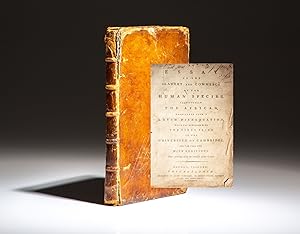
Published by Joseph Crukshank, Philadelphia 1786
Seller: The First Edition Rare Books, LLC, Cincinnati, OH, U.S.A.The First Edition Rare Books, LLC
Contact seller5-star sellerCondition: Used - Very good
US$ 2,200.00
US$ 6.00 shippingShips within U.S.A.Quantity: 1 available
Full calf. Condition: Very good. First American Edition. Octavo, xix, [1], [21]-154pp, [lacking 155]. Brown calf, five raised bands along spine. Thin border stamped to edge of covers. Lacking page 155, torn out. Solid text block, some splitting to top edge of spine, wear to corners and hinges. Faint soiling throughout. Thin damp…stain to bottom edge of text block. Previous ownership inscriptions to front few leaves and rear endpaper. (Evans 19561) (Sabin 13484) A landmark piece by a dedicated abolitionist. Thomas Clarkson (1760-1846), a lifelong English abolitionist, originally wrote this essay in Latin to enter a Cambridge writing competition set by the vice-chancellor Peter Peckard. The topic asked if it was lawful to make slaves against their will. Clarkson's passion for the subject grew as he conducted his research and gathered firsthand accounts. Upon winning the competition, he published the dissertation in English and became connected to other abolitionists both in London and America. One year after this publication was released, the first Committee for the Abolition of the Slave Trade was formed, led by Clarkson. The group's efforts and lobbying played a decisive role in the 1807 passage of the Slave Trade Act, effectively prohibiting the slave trade throughout the British Empire. The first American edition of Essay on the Slavery and Commerce of the Human Species by Thomas Clarkson. (illustrator).

