
Order Total (1 Item Items):
Shipping Destination:

Physics Sailing Explained (36 results)
Skip to main search results
Search filters
Product Type
- All Product Types
- Books (36)
- Magazines & Periodicals (No further results match this refinement)
- Comics (No further results match this refinement)
- Sheet Music (No further results match this refinement)
- Art, Prints & Posters (No further results match this refinement)
- Photographs (No further results match this refinement)
- Maps (No further results match this refinement)
- Manuscripts & Paper Collectibles (No further results match this refinement)
Condition Learn more
- New (30)
- As New, Fine or Near Fine (1)
- Very Good or Good (5)
- Fair or Poor (No further results match this refinement)
- As Described (No further results match this refinement)
Binding
- All Bindings
- Hardcover (No further results match this refinement)
- Softcover (36)
Collectible Attributes
- First Edition (1)
- Signed (No further results match this refinement)
- Dust Jacket (No further results match this refinement)
- Seller-Supplied Images (12)
- Not Print on Demand (30)
Language (2)
Free Shipping
Seller Location
Seller Rating
-

Condition: very_good. Gently read. May have name of previous ownership, or ex-library edition. Binding tight; spine straight and smooth, with no creasing; covers clean and crisp. Minimal signs of handling or shelving. 100% GUARANTEE! Shipped with delivery confirmation, if you're not satisfied with purchase please return item for full refund. Ships USPS Media Mail.
-

Condition: good. Fast Free Shipping â" Good condition book with a firm cover and clean, readable pages. Shows normal use, including some light wear or limited notes highlighting, yet remains a dependable copy overall. Supplemental items like CDs or access codes may not be included.
-

Paperback. Condition: Very Good. Connecting readers with great books since 1972! Used books may not include companion materials, and may have some shelf wear or limited writing. We ship orders daily and Customer Service is our top priority!
-
Condition: As New. Unread copy in mint condition.
-
Condition: New.
-
Condition: New. Brand New! Not Overstocks or Low Quality Book Club Editions! Direct From the Publisher! We're not a giant, faceless warehouse organization! We're a small town bookstore that loves books and loves it's customers! Buy from Lakeside Books!
-
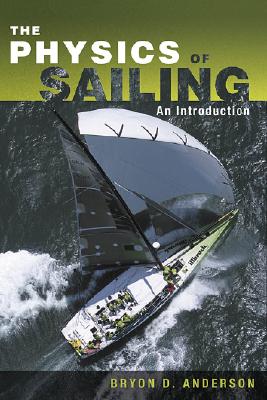
The Physics of Sailing Explained (Paperback or Softback)
Language: English
Published by Sheridan House 10/1/2003, 2003
ISBN 10: 1574091700 ISBN 13: 9781574091700
Paperback or Softback. Condition: New. The Physics of Sailing Explained. Book.
-

The Physics of Sailing Explained
Language: English
Published by Rowman and Littlefield, US, 2003
ISBN 10: 1574091700 ISBN 13: 9781574091700
Seller: Rarewaves.com USA, London, LONDO, United Kingdom
Seller rating 5 out of 5 stars

Paperback. Condition: New. What is the best shape for a sailboat? How does turbulence affect a sailboat's movement through the water? Why do some keels have wings? Is it true that some sailboats can sail faster upwind than downwind?Authoritative yet accessible, The Physics of Sailing Explained is the perfect book for all those sailors who want to enhance their understanding and enjoyment of life at sea. It will enable cruisers and racers alike to better grasp how sails, keels, and hulls work together to keep boats afloat, and will sharpen their skills with a more subtle and thorough appreciation of why various boat design features are present and why certain tactics work in certain situations. Anderson outlines the science behind sailing in a way that anyone can understand and benefit from without having to trudge through a physics text or became a naval architect. Concepts are conveyed simply, concisely, and with many examples and illustrations.With the help of this invaluable book, sailors will be better prepared to handle any situations that might arise on the water.
-
Condition: New.
-

-
-
The Physics of Sailing Explained
Language: English
Published by Globe Pequot Publishing Group Inc, 2003
ISBN 10: 1574091700 ISBN 13: 9781574091700
Seller: PBShop.store UK, Fairford, GLOS, United Kingdom
Seller rating 5 out of 5 stars
PAP. Condition: New. New Book. Shipped from UK. Established seller since 2000.
-

The Physics of Sailing Explained
Language: English
Published by Rowman and Littlefield, US, 2003
ISBN 10: 1574091700 ISBN 13: 9781574091700
Paperback. Condition: New. What is the best shape for a sailboat? How does turbulence affect a sailboat's movement through the water? Why do some keels have wings? Is it true that some sailboats can sail faster upwind than downwind?Authoritative yet accessible, The Physics of Sailing Explained is the perfect book for all those sailors who want to enhance their understanding and enjoyment of life at sea. It will enable cruisers and racers alike to better grasp how sails, keels, and hulls work together to keep boats afloat, and will sharpen their skills with a more subtle and thorough appreciation of why various boat design features are present and why certain tactics work in certain situations. Anderson outlines the science behind sailing in a way that anyone can understand and benefit from without having to trudge through a physics text or became a naval architect. Concepts are conveyed simply, concisely, and with many examples and illustrations.With the help of this invaluable book, sailors will be better prepared to handle any situations that might arise on the water.
-
Condition: new.
-
Paperback. Condition: new. Excellent Condition.Excels in customer satisfaction, prompt replies, and quality checks.
-
Downwind faster than the wind: Sailing explained by Newtonian physics and Galilean relativity
Seller: Ria Christie Collections, Uxbridge, United Kingdom
Seller rating 5 out of 5 stars
US$ 18.08
US$ 16.17 shipping
Ships from United Kingdom to U.S.A.Quantity: Over 20 available
Add to basketCondition: New. In.
-
The Physics of Sailing Explained
Seller: Ria Christie Collections, Uxbridge, United Kingdom
Seller rating 5 out of 5 stars
US$ 21.11
US$ 16.17 shipping
Ships from United Kingdom to U.S.A.Quantity: Over 20 available
Add to basketCondition: New. In.
-
The Physics of Sailing Explained
Language: English
Published by Rowman & Littlefield, 2003
ISBN 10: 1574091700 ISBN 13: 9781574091700
Seller: Kennys Bookshop and Art Galleries Ltd., Galway, GY, Ireland
Seller rating 5 out of 5 stars
Condition: New. Authoritative yet accessible, this work will enable readers to better grasp how sails, keels and hulls work together to keep sailboats moving--and will sharpen their skills with a more subtle and thorough appreciation of why various boat design features are present and why certain tactics work in certain situations. Num Pages: 160 pages, 34 black & white illustrations, 12 black & white halftones. BIC Classification: PH; WSSN3. Category: (G) General (US: Trade). Dimension: 218 x 141 x 10. Weight in Grams: 222. . 2003. Paperback. . . . .
-
US$ 25.12
US$ 13.50 shipping
Ships from United Kingdom to U.S.A.Quantity: 2 available
Add to basketPaperback. Condition: Brand New. new title edition. 200 pages. 8.50x5.50x0.50 inches. In Stock.
-
The Physics of Sailing Explained
Language: English
Published by Rowman & Littlefield, 2003
ISBN 10: 1574091700 ISBN 13: 9781574091700
Condition: New. Authoritative yet accessible, this work will enable readers to better grasp how sails, keels and hulls work together to keep sailboats moving--and will sharpen their skills with a more subtle and thorough appreciation of why various boat design features are present and why certain tactics work in certain situations. Num Pages: 160 pages, 34 black & white illustrations, 12 black & white halftones. BIC Classification: PH; WSSN3. Category: (G) General (US: Trade). Dimension: 218 x 141 x 10. Weight in Grams: 222. . 2003. Paperback. . . . . Books ship from the US and Ireland.
-
The Physics of Sailing Explained
Language: English
Published by Rowman & Littlefield, 2003
ISBN 10: 1574091700 ISBN 13: 9781574091700
Seller: THE SAINT BOOKSTORE, Southport, United Kingdom
Seller rating 5 out of 5 stars
US$ 22.75
US$ 17.89 shipping
Ships from United Kingdom to U.S.A.Quantity: Over 20 available
Add to basketPaperback / softback. Condition: New. New copy - Usually dispatched within 4 working days.
-

Condition: Very Good. First Edition Softcover in good condition.
-
The Physics of Sailing Explained (Paperback)
Language: English
Published by Rowman & Littlefield, Lanham, 2003
ISBN 10: 1574091700 ISBN 13: 9781574091700
Paperback. Condition: new. Paperback. What is the best shape for a sailboat? How does turbulence affect a sailboat's movement through the water? Why do some keels have wings? Is it true that some sailboats can sail faster upwind than downwind?Authoritative yet accessible, The Physics of Sailing Explained is the perfect book for all those sailors who want to enhance their understanding and enjoyment of life at sea. It will enable cruisers and racers alike to better grasp how sails, keels, and hulls work together to keep boats afloat, and will sharpen their skills with a more subtle and thorough appreciation of why various boat design features are present and why certain tactics work in certain situations. Anderson outlines the science behind sailing in a way that anyone can understand and benefit from without having to trudge through a physics text or became a naval architect. Concepts are conveyed simply, concisely, and with many examples and illustrations.With the help of this invaluable book, sailors will be better prepared to handle any situations that might arise on the water. Authoritative yet accessible, this work will enable readers to better grasp how sails, keels and hulls work together to keep sailboats moving--and will sharpen their skills with a more subtle and thorough appreciation of why various boat design features are present and why certain tactics work in certain situations. Shipping may be from our Sydney, NSW warehouse or from our UK or US warehouse, depending on stock availability.
-

The Physics of Sailing Explained (Paperback)
Language: English
Published by Rowman & Littlefield, Lanham, 2003
ISBN 10: 1574091700 ISBN 13: 9781574091700
US$ 23.62
US$ 49.95 shipping
Ships from United Kingdom to U.S.A.Quantity: 1 available
Add to basketPaperback. Condition: new. Paperback. What is the best shape for a sailboat? How does turbulence affect a sailboat's movement through the water? Why do some keels have wings? Is it true that some sailboats can sail faster upwind than downwind?Authoritative yet accessible, The Physics of Sailing Explained is the perfect book for all those sailors who want to enhance their understanding and enjoyment of life at sea. It will enable cruisers and racers alike to better grasp how sails, keels, and hulls work together to keep boats afloat, and will sharpen their skills with a more subtle and thorough appreciation of why various boat design features are present and why certain tactics work in certain situations. Anderson outlines the science behind sailing in a way that anyone can understand and benefit from without having to trudge through a physics text or became a naval architect. Concepts are conveyed simply, concisely, and with many examples and illustrations.With the help of this invaluable book, sailors will be better prepared to handle any situations that might arise on the water. Authoritative yet accessible, this work will enable readers to better grasp how sails, keels and hulls work together to keep sailboats moving--and will sharpen their skills with a more subtle and thorough appreciation of why various boat design features are present and why certain tactics work in certain situations. Shipping may be from our UK warehouse or from our Australian or US warehouses, depending on stock availability.
-
US$ 18.95
US$ 55.35 shipping
Ships from United Kingdom to U.S.A.Quantity: 3 available
Add to basketCondition: NEW.
-

The Physics of Sailing Explained
Language: English
Published by Rowman and Littlefield, US, 2003
ISBN 10: 1574091700 ISBN 13: 9781574091700
Paperback. Condition: New. What is the best shape for a sailboat? How does turbulence affect a sailboat's movement through the water? Why do some keels have wings? Is it true that some sailboats can sail faster upwind than downwind?Authoritative yet accessible, The Physics of Sailing Explained is the perfect book for all those sailors who want to enhance their understanding and enjoyment of life at sea. It will enable cruisers and racers alike to better grasp how sails, keels, and hulls work together to keep boats afloat, and will sharpen their skills with a more subtle and thorough appreciation of why various boat design features are present and why certain tactics work in certain situations. Anderson outlines the science behind sailing in a way that anyone can understand and benefit from without having to trudge through a physics text or became a naval architect. Concepts are conveyed simply, concisely, and with many examples and illustrations.With the help of this invaluable book, sailors will be better prepared to handle any situations that might arise on the water.
-

Condition: New. Authoritative yet accessible, this work will enable readers to better grasp how sails, keels and hulls work together to keep sailboats moving--and will sharpen their skills with a more subtle and thorough appreciation of why various boat design features are.
-
paperback. Condition: New. In shrink wrap. Looks like an interesting title!
-

The Physics of Sailing Explained (Paperback)
Language: English
Published by Rowman & Littlefield, Lanham, 2003
ISBN 10: 1574091700 ISBN 13: 9781574091700
Paperback. Condition: new. Paperback. What is the best shape for a sailboat? How does turbulence affect a sailboat's movement through the water? Why do some keels have wings? Is it true that some sailboats can sail faster upwind than downwind?Authoritative yet accessible, The Physics of Sailing Explained is the perfect book for all those sailors who want to enhance their understanding and enjoyment of life at sea. It will enable cruisers and racers alike to better grasp how sails, keels, and hulls work together to keep boats afloat, and will sharpen their skills with a more subtle and thorough appreciation of why various boat design features are present and why certain tactics work in certain situations. Anderson outlines the science behind sailing in a way that anyone can understand and benefit from without having to trudge through a physics text or became a naval architect. Concepts are conveyed simply, concisely, and with many examples and illustrations.With the help of this invaluable book, sailors will be better prepared to handle any situations that might arise on the water. Authoritative yet accessible, this work will enable readers to better grasp how sails, keels and hulls work together to keep sailboats moving--and will sharpen their skills with a more subtle and thorough appreciation of why various boat design features are present and why certain tactics work in certain situations. This item is printed on demand. Shipping may be from multiple locations in the US or from the UK, depending on stock availability.
-

The Physics of Sailing Explained
Language: English
Published by Rowman and Littlefield, US, 2003
ISBN 10: 1574091700 ISBN 13: 9781574091700
US$ 18.94
US$ 87.75 shipping
Ships from United Kingdom to U.S.A.Quantity: 13 available
Add to basketPaperback. Condition: New. What is the best shape for a sailboat? How does turbulence affect a sailboat's movement through the water? Why do some keels have wings? Is it true that some sailboats can sail faster upwind than downwind?Authoritative yet accessible, The Physics of Sailing Explained is the perfect book for all those sailors who want to enhance their understanding and enjoyment of life at sea. It will enable cruisers and racers alike to better grasp how sails, keels, and hulls work together to keep boats afloat, and will sharpen their skills with a more subtle and thorough appreciation of why various boat design features are present and why certain tactics work in certain situations. Anderson outlines the science behind sailing in a way that anyone can understand and benefit from without having to trudge through a physics text or became a naval architect. Concepts are conveyed simply, concisely, and with many examples and illustrations.With the help of this invaluable book, sailors will be better prepared to handle any situations that might arise on the water.


