Order Total (1 Item Items):
Shipping Destination:

Bidloo Govert (106 results)
Skip to main search results
Search filters
Product Type
- All Product Types
- Books (25)
- Magazines & Periodicals (No further results match this refinement)
- Comics (No further results match this refinement)
- Sheet Music (No further results match this refinement)
- Art, Prints & Posters (81)
- Photographs (No further results match this refinement)
- Maps (No further results match this refinement)
- Manuscripts & Paper Collectibles (No further results match this refinement)
Condition Learn more
- New (No further results match this refinement)
- As New, Fine or Near Fine (3)
- Very Good or Good (1)
- Fair or Poor (No further results match this refinement)
- As Described (102)
Binding
- All Bindings
- Hardcover (6)
- Softcover (No further results match this refinement)
Collectible Attributes
- First Edition (6)
- Signed (No further results match this refinement)
- Dust Jacket (No further results match this refinement)
- Seller-Supplied Images (90)
- Not Print on Demand (106)
Language (2)
Free Shipping
- Free Shipping to U.S.A. (No further results match this refinement)
Seller Location
Seller Rating
-

Letter from G.Bidloo to Antony van Leeuwenhoek about the animals which are sometimes found in the liver of sheep and other beasts.
Seller: Antiquariaat A. Kok & Zn. B.V., Amsterdam, Netherlands
Seller rating 5 out of 5 stars

Delft, 1698. [Reprint Nieuwkoop 1972]. 61,34 pp. Ills. Boards. (Dutch Classics in Hist. of Science XVIII).
-
Komste van zyne majesteit Willem III. Koning van Groot Britanje, enz. in Holland; ofte omstandelyke beschryving van alles, het welke op des zelfs komste en geduurende zyn verblyf, in 's Graavenhaage en elders, ten teeken van vreugde en eere, is opgerecht en voorgevallen.
Published by In's Graavenhaage, By Arnoud Leers, 1691., 1691
Seller: Libreria Antiquaria Dentis (ALAI - ILAB), Torino, TO, Italy
Seller rating 5 out of 5 stars
First Edition
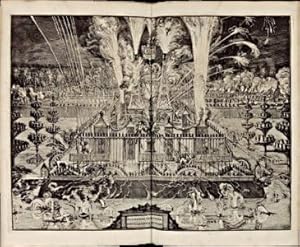
Rilegato. Condition: molto buono. prima edizione. In's Graavenhaage, By Arnoud Leers, 1691. In-folio(27,5 cmx 24 cm). Pp. (10), 127. Con antiporta allegorico e 14 tavole(di cui 11 a doppia pagina, è assente il ritratto. Al centro del frontespizio, una bella xilografia con il motto "Labore et Vigilantia". Bella e solida legatura del tempo in piena pelle marrone, autore e titolo dorati sul dorso a nei nervi e decori ai piccoli ferri. Qualche rara fioritura marginale, peraltro esemplare in stato di conservazione molto buono. Prima rara edizione di uno dei migliori libri di feste olandesi del periodo barocco magistralmente illustrato da Romeyn de Hooghe. Pubblicato per commemorare l'ingresso di stato del re-statolder, Guglielmo III di Orange e Inghilterra, per partecipare a un incontro all' Aia di alleati in lega contro Luigi XIV. L' opera è superbamente illustrata con 14 incisioni di Romeyn de Hooghe, che mostrano l' architettura cerimoniale eretta in onore di Guglielmo e i festeggiamenti con cui fu ricevuto il re. Per l' accoglienza del re, all' Aia si fecero elaborati e costosi preparativi, tra cui un arco di trionfo progettato personalmente da De Hooghe, costruito con listelli, intonaco e vernice ed eretto sopra il ponte West End della città; un enorme spettacolo di fuochi d' artificio, edifici illuminati, dipinti allegorici creati ed esposti per l' evento, il Vyverberg, il Binnenhof e molto altro. Che Romeyn abbia partecipato alla pianificazione delle decorazioni è indicato da un pagamento che ha ricevuto (come "Pictura") dalla corporazione dei pittori dell' Aia (vedi D.P. Snoep, Poaal en propaganda: Triumfalia in de Noordelijke Nederlanden, 1975, p. 91 e segg.). Il magnifico antiporta allegorico è superbamente inciso da Romeyn de Hooghe, "che non sarebbe indegno di Rubens" (Vinet). Govert Bidloo era un chirurgo, drammaturgo e storico molto rispettato; era anche un fervente "orangista". Guglielmo III lo nominò sovrintendente di tutti i medici, speziali e chirurghi. Dopo che Bidloo era diventato professore di medicina all'Università di Leida, interrompeva spesso il suo lavoro per trascorrere del tempo a Londra, dove divenne membro della Royal Society e dove assistette Guglielmo III durante la sua fatale malattia. ). Govert Bidloo (1649-1713), di Amsterdam, era un chirurgo, drammaturgo e storico molto rispettato; era anche un fervente "orangista". Guglielmo III lo nominò sovrintendente di tutti i medici, speziali e chirurghi. Dopo che Bidloo era diventato professore di medicina all'Università di Leida, interrompeva spesso il suo lavoro per trascorrere del tempo a Londra, dove divenne membro della Royal Society e dove assistette Guglielmo III durante la sua fatale malattia. Bibliografia: De verbeelding van de Gouden Eeuw p.156; Graesse I, 419; Kat. Ornamentstichsamml. Berlin, 2952; Landwehr, Splendid Ceremonies, 146; Lipperheide, 2667; Printmaking in the Age of Rembrandt, cat. Museum of Fine Arts Boston, 209; RdH, 79; Ruggieri, 1095; Sievernich, Feuerwerkskunst 6/36; Vinet, 752.
-
Komste van Zyne Majesteit Willem III. Koning van Groot Britanje, enz. in Holland ; ofte Omstandelyke Beschryving van alles, het welke op des zelfs komste en geduurende Zyn verblyf, in's Graavenhaage en elders, ten teeken van vreugde en eere, is opgerecht en voorgevallen. Vercierd met kopere platen.
Published by In's Graavenhaage, By Arnold Leers, Boeckverkooper, 1691., 1691
Seller: Librairie Camille Sourget, Paris, France
Association Member: ILAB
Seller rating 4 out of 5 stars

Couverture rigide. Condition: Très bon. 800x600 Normal 0 21 false false false FR X-NONE X-NONE MicrosoftInternetExplorer4 First edition of one of the most beautiful Dutch festival books of the Baroque period. It celebrates the joyous entry of Guillaume iii into the Hague as king of Great Britain. Berlin Kat. 2952 ; Landwehr, Cérémonies splendides 146 ; Ruggieri 1095 ; Vinet 752 ; Hollstein, Dutch and Flemish, IX, 168-85. It was the "costliest and most elaborate public display ever held on Dutch soil" (Nierop) and the first time of a triumphal entry since the rebellion against Spain. The two directors of the festivities were Govert Bidloo (1649-1713), William's personal physician, and Romeyn de Hooghe (1645-1708), one of the greatest artists of the Dutch Golden Age. De Hooghe was not only involved in drawing up the programme for the festivities, but also in engraving the magnificent plates illustrating this commemorative volume. Superb illustration, in first issue, comprising a portrait of Guillaume III by Pieter van Gunst after John Brandon and 15 out-of-text engraved plates by Romeyn de Hooghe captioned in French and Dutch, of which 11 are on double page and 3 are full page. The engravings by Romeyn de Hooghe show the procession, the triumphal arches, the Vyverberg and the Binnenhof, the decorations specially made for the event, including painting and sculpture, and a spectacular fireworks display: 1. Aenkomst van S.K. Maj. Op Honslerdyk - Arrivée de Sa Majesté a Honslerdyk 2. Inhaling van S.K. Maj. Aende Westeynder brug - Réception de Sa Majesté au pont de Westeinde 3. Zijn Majesteit verwelkomt op het Binnehof - Réception de Sa Majesté dans La Cour 4. Vreugde-en eereteekenen voor het stadhuis - Illuminations et autres marques d'honneur de la Maison de Ville 5. Eeerepoort op de markt - Arc de Triomphe sur le Marché 6. Eeerepoort op de markt - Arc de Triomphe sur le Marché 7. Schilderyen binnen de eerepoort - Peintures du dedans de l'Arc de Triomphe sur la Place et du Costé du Vizier 8. Intrede van Zyn Majesteit door de zeegeboog voor't Hof - Entrée de Sa Majesté par dessous l'Arc de Triomphe qui est devant la cour. 9. Zeege- en eerepoorten voor het hof - Arc de Triomphe devant La Cour 10. Beelden, devisen, schilderyen - Statues, Devises, Peintures 11. Zyschilderyen der zeege-en eerepoorten voor, het Hot - Peintures des bouts de l'Arc de Triomphe devant la cour. 12. Schilderyen binne de zeege-en eerepoorten voor het hof - Peintures du dedans de l'Arc de Triomphe qui est devant La Cour 13. Vuurwerk in de vyver - Feu d'artifice au Vyver 14. Verbeeldingen der twee naalden Precious copy preserved in its contemporary vellum binding.
-
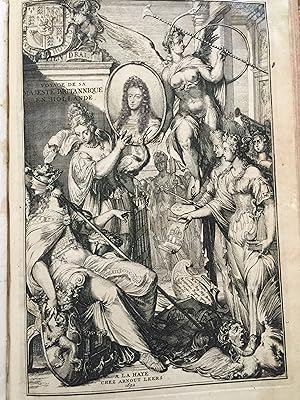
RELATION DU VOYAGE DE SA MAJESTE BRITANNIQUE EN HOLLANDE, ET DE LA RECEPTION QUI LUY A ETE FAITE. ENRICHE DE PLANCHES TRE-CURIEUSES ET DE LA RECEPTION QUI LUY A ETE FAITE. ENRICHE DE PLANCHES TRE-CURIEUSES
Published by Chez Arnout Leer, The Hague, 1692
Seller: L'Estampe Originale ABAA/ILAB-LILA, Saratoga, CA, U.S.A.
Seller rating 5 out of 5 stars
First Edition
Original marbled boards. Dust Jacket Condition: None. de Hooghe and Bidloo (illustrator). 1st French. The Hague., Chez Arnout Leers., 1692. Folio. Original marbled calf binding. There are 16 single and double page engraved illustrations including the title page. Landwehr, R. de Hooghe, 80; Vinet 752, Hoefer 147, Landwehr, Splendid Ceremonies, 147. The account of the arrival of King William III and the reception in the Hague gives the impression that the author's text closely followed the illustrations by de Hooghe. (Landwehr). All of the bibliographies concur that this work is one of the chefs d'oeuvre of de Hooghe. "One of his best books" (Hofer, Baroque Book illustration, 47) and is concurred by Didot, 951. This book represents a height of festivities begun by the Italians at Mantua more than a century before in the triumphant new era which began with the abdication of James II in favor of William of Orange. After the Battle of the Boyne William traveled to Holland to seek the safety of an alliance against the French and this book celebrates that visit. The Dutch text was issued in 1691, a French text in 1692. In this French edition the plates were printed at the same time as the Dutch therefore they are first state. A very fine copy with beautiful impressions of all the plates in the original calf binding. One of the most beautiful Dutch baroque festival books, superbly illustrated with 15 plates by Romeyn de Hooghe, the great chronicler of his age. The frontispiece was commissioned for this reception. This edition, after the Dutch edition, has the introduction of Jean Tronchin de Breuil. There are unnoticeable water contractions on the verso of some of the illustrations not affecting the image. Could have been the expert removal of a collector's stamp.
-

Kupfertafel 62. Pathologie bei einem Knaben.
Published by Kupferstich aus Antomia Humani corporis, centum & quinque Tabulis., 1685
Seller: Aegis Buch- und Kunstantiquariat, Laichingen, Germany
Seller rating 4 out of 5 stars
39,5 x 27,5 cm. Möglicherweise nicht ganz appetitliche, aber dennoch eine grandiose kupferstecherische Leistung.
-
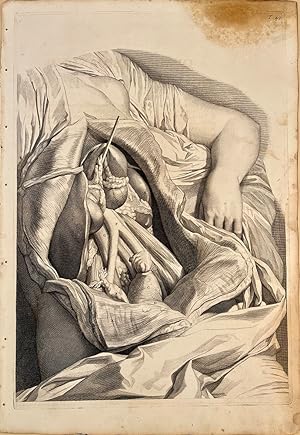
Plate 49 from Anatomia humani corporis. 522 x 358 mm. First edition. Stains in upper right corner and center of right edge of image, but otherwise very good
Published by Amsterdam, 1685
Seller: Jeremy Norman's historyofscience, Novato, CA, U.S.A.
Seller rating 4 out of 5 stars
This large folio by Dutch physician, anatomist, poet, and playwright Govert Bidloo contains 105 plates engraved after Gérard de Lairesse, probably by Bloteling and Peter and Philip van Gunst. Lairesse displayed his figures with everyday realism and sensuality, contrasting the raw dissected parts of the body with the full, soft surfaces of undissected flesh surrounding them; placing flayed, bound figures in ordinary nightclothes or bedding; setting objects such as a book, a jar, a crawling fly in the same space as a dissected limb or torso. He thus brought the qualities of Dutch still-life painting into anatomical illustration, and gave a new, darker expression to the significance of dissection. De Lairesse's images of dissected pregnancies and premature infants also reflect compassion-a quality unusual in art that was intended primarily to be scientific.
-
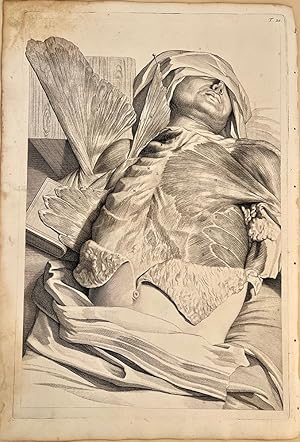
Plate 20 from Anatomia humani corporis. 522 x 358 mm. First edition. Stains in upper left corner, but otherwise very good
Published by Amsterdam, 1685
Seller: Jeremy Norman's historyofscience, Novato, CA, U.S.A.
Seller rating 4 out of 5 stars
This large folio by Dutch physician, anatomist, poet, and playwright Govert Bidloo contains 105 plates engraved after Gérard de Lairesse, probably by Bloteling and Peter and Philip van Gunst. Lairesse displayed his figures with everyday realism and sensuality, contrasting the raw dissected parts of the body with the full, soft surfaces of undissected flesh surrounding them; placing flayed, bound figures in ordinary nightclothes or bedding; setting objects such as a book, a jar, a crawling fly in the same space as a dissected limb or torso. He thus brought the qualities of Dutch still-life painting into anatomical illustration, and gave a new, darker expression to the significance of dissection. De Lairesse's images of dissected pregnancies and premature infants also reflect compassion-a quality unusual in art that was intended primarily to be scientific.
-
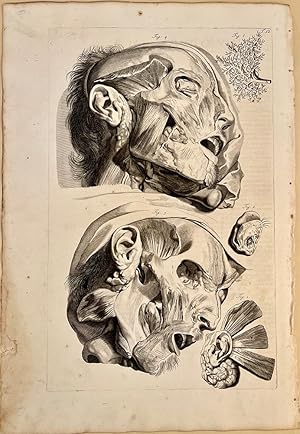
Plate 12 from Anatomia humani corporis. 522 x 358 mm. First edition. Minor stains in left margin, but otherwise very good
Published by Amsterdam, 1685
Seller: Jeremy Norman's historyofscience, Novato, CA, U.S.A.
Seller rating 4 out of 5 stars
This large folio by Dutch physician, anatomist, poet, and playwright Govert Bidloo contains 105 plates engraved after Gérard de Lairesse, probably by Bloteling and Peter and Philip van Gunst. Lairesse displayed his figures with everyday realism and sensuality, contrasting the raw dissected parts of the body with the full, soft surfaces of undissected flesh surrounding them; placing flayed, bound figures in ordinary nightclothes or bedding; setting objects such as a book, a jar, a crawling fly in the same space as a dissected limb or torso. He thus brought the qualities of Dutch still-life painting into anatomical illustration, and gave a new, darker expression to the significance of dissection. De Lairesse's images of dissected pregnancies and premature infants also reflect compassion-a quality unusual in art that was intended primarily to be scientific.
-
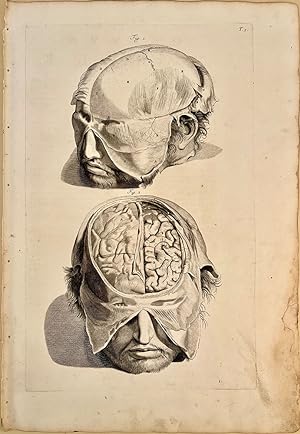
Plate 5 from Anatomia humani corporis. 522 x 358 mm. First edition. Minor stains in outer right margin, but otherwise very good
Published by Amsterdam, 1685
Seller: Jeremy Norman's historyofscience, Novato, CA, U.S.A.
Seller rating 4 out of 5 stars
This large folio by Dutch physician, anatomist, poet, and playwright Govert Bidloo contains 105 plates engraved after Gérard de Lairesse, probably by Bloteling and Peter and Philip van Gunst. Lairesse displayed his figures with everyday realism and sensuality, contrasting the raw dissected parts of the body with the full, soft surfaces of undissected flesh surrounding them; placing flayed, bound figures in ordinary nightclothes or bedding; setting objects such as a book, a jar, a crawling fly in the same space as a dissected limb or torso. He thus brought the qualities of Dutch still-life painting into anatomical illustration, and gave a new, darker expression to the significance of dissection. De Lairesse's images of dissected pregnancies and premature infants also reflect compassion-a quality unusual in art that was intended primarily to be scientific.
-
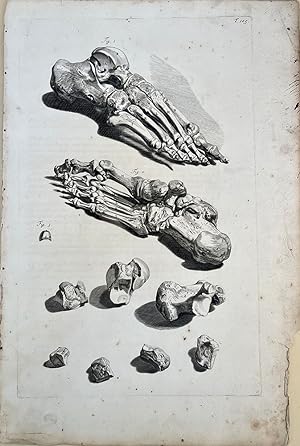
Plate 105 from Anatomia humani corporis. 522 x 358 mm. First edition. Minor worm holes blank lower portion of plate, but otherwise very good
Published by Amsterdam, 1685
Seller: Jeremy Norman's historyofscience, Novato, CA, U.S.A.
Seller rating 4 out of 5 stars
This large folio by Dutch physician, anatomist, poet, and playwright Govert Bidloo contains 105 plates engraved after Gérard de Lairesse, probably by Bloteling and Peter and Philip van Gunst. Lairesse displayed his figures with everyday realism and sensuality, contrasting the raw dissected parts of the body with the full, soft surfaces of undissected flesh surrounding them; placing flayed, bound figures in ordinary nightclothes or bedding; setting objects such as a book, a jar, a crawling fly in the same space as a dissected limb or torso. He thus brought the qualities of Dutch still-life painting into anatomical illustration, and gave a new, darker expression to the significance of dissection. De Lairesse's images of dissected pregnancies and premature infants also reflect compassion-a quality unusual in art that was intended primarily to be scientific.
-

Plate 103 from Anatomia humani corporis. 522 x 358 mm. First edition. Repair to outer right margin,minor worm holes in lower blank part of image but otherwise very good
Published by Amsterdam, 1685
Seller: Jeremy Norman's historyofscience, Novato, CA, U.S.A.
Seller rating 4 out of 5 stars
This large folio by Dutch physician, anatomist, poet, and playwright Govert Bidloo contains 105 plates engraved after Gérard de Lairesse, probably by Bloteling and Peter and Philip van Gunst. Lairesse displayed his figures with everyday realism and sensuality, contrasting the raw dissected parts of the body with the full, soft surfaces of undissected flesh surrounding them; placing flayed, bound figures in ordinary nightclothes or bedding; setting objects such as a book, a jar, a crawling fly in the same space as a dissected limb or torso. He thus brought the qualities of Dutch still-life painting into anatomical illustration, and gave a new, darker expression to the significance of dissection. De Lairesse's images of dissected pregnancies and premature infants also reflect compassion-a quality unusual in art that was intended primarily to be scientific.
-
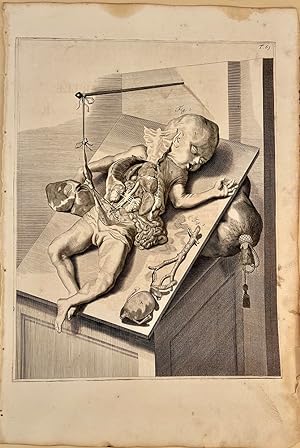
Plate 63 from Anatomia humani corporis. 522 x 358 mm. First edition. Minor stains in upper margin, but otherwise very good
Published by Amsterdam, 1685
Seller: Jeremy Norman's historyofscience, Novato, CA, U.S.A.
Seller rating 4 out of 5 stars
This large folio by Dutch physician, anatomist, poet, and playwright Govert Bidloo contains 105 plates engraved after Gérard de Lairesse, probably by Bloteling and Peter and Philip van Gunst. Lairesse displayed his figures with everyday realism and sensuality, contrasting the raw dissected parts of the body with the full, soft surfaces of undissected flesh surrounding them; placing flayed, bound figures in ordinary nightclothes or bedding; setting objects such as a book, a jar, a crawling fly in the same space as a dissected limb or torso. He thus brought the qualities of Dutch still-life painting into anatomical illustration, and gave a new, darker expression to the significance of dissection. De Lairesse's images of dissected pregnancies and premature infants also reflect compassion-a quality unusual in art that was intended primarily to be scientific.
-
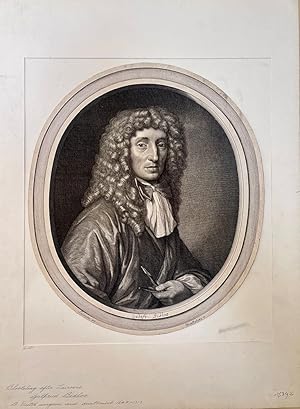
Portrait of Bidloo, cropped around oval, used as frontispiece for his large anatomy. Engraved by Blooteling after the painting by Gerard de Lairesse
Published by Amsterdam
Seller: Jeremy Norman's historyofscience, Novato, CA, U.S.A.
Seller rating 4 out of 5 stars
-
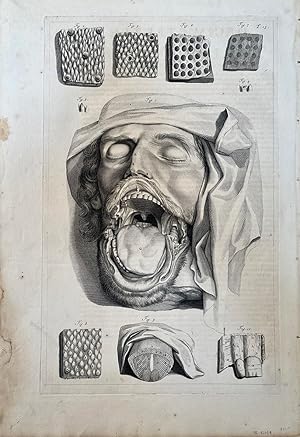
Plate 13 (head w/dissected jaw & tongue) from Anatomia humani corporis. 44x27.5cm (image size) First edition
Published by Amsterdam, 1685
Seller: Jeremy Norman's historyofscience, Novato, CA, U.S.A.
Seller rating 4 out of 5 stars
Llight stains in margin, one small wormhole within the platemark barely affecting the image, two small marginal tears, faint offsetting. This large folio by Dutch physician, anatomist, poet, and playwright Govert Bidloo contains 105 engraved plates after Gerard de Lairesse, probably by Bloteling and Peter and Philip van Gunst. Lairesse displayed his figures with everyday realism and sensuality, contrasting the raw dissected parts of the body with the full, soft surfaces of undissected flesh surrounding them; placing flayed, bound figures in ordinary nightclothes or bedding; setting objects such as a book, a jar, a crawling fly in the same space as a dissected limb or torso. He thus brought the qualities of Dutch still-life painting into anatomical illustration, and gave a new, darker expression to the significance of dissection. De Lairesse's images of dissected pregnancies and premature infants also reflect compassion-a quality unusual in art that was intended primarily to be scientific.
-
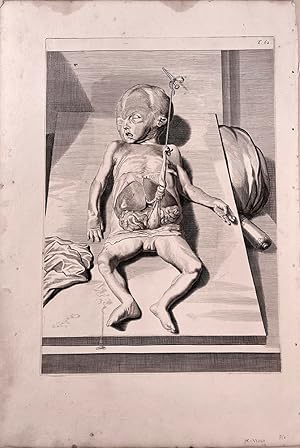
Plate 62 (dissected fetus) from Anatomia humani corporis. 40 x 27.5cm (image size) in a trim of 51 x 35.5 cm
Published by Amsterdam, 1685
Seller: Jeremy Norman's historyofscience, Novato, CA, U.S.A.
Seller rating 4 out of 5 stars
First Edition
slightly dampstained around edges, otherwise very good. First edition. This large folio by Dutch physician, anatomist, poet, and playwright Govert Bidloo contains 105 engraved plates after Gerard de Lairesse, probably by Bloteling and Peter and Philip van Gunst. Lairesse displayed his figures with everyday realism and sensuality, contrasting the raw dissected parts of the body with the full, soft surfaces of undissected flesh surrounding them; placing flayed, bound figures in ordinary nightclothes or bedding; setting objects such as a book, a jar, a crawling fly in the same space as a dissected limb or torso. He thus brought the qualities of Dutch still-life painting into anatomical illustration, and gave a new, darker expression to the significance of dissection. De Lairesse's images of dissected pregnancies and premature infants also reflect compassion-a quality unusual in art that was intended primarily to be scientific.
-
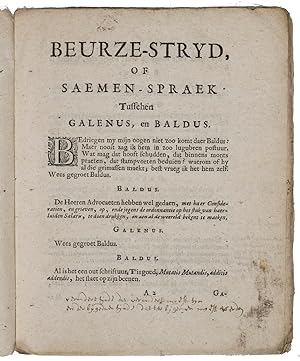
Beurze-Stryd, of Saemen-Spraek tusschen Galenus, en Baldus.
Published by Meyndert Uytwerf?],, [The Hague,, 1692
Seller: ASHER Rare Books, T Goy Houten, Netherlands
Seller rating 5 out of 5 stars
One of variant issues of this satirical pamphlet supposedly written by the famous physician (he became a few years later the personal physician of Stadholder/King William III), anatomist, poet and playwright and above all colorful Govert Bidloo (1649-1717).In February 1692 the Hoge Raed (Supreme Court) of the Dutch Republic had renewed their ordinance of 1652, 't Reglement op het stuck van het salaris van Advocaeten en Procureurs, to protect those who seek legal assistance from the sometimes exceedingly overcharging barristers and solicitors. Considering this as an infringement on their honor, the furious barristers reacted with a fierce account entitled Consideratien ende Grieven by de heeren Advocaten gemaeckt op ende jegens de Ordonnatie op het stuckvan haer luyden salaris (1692; Knuttel , 13806): meat and drink for Bidloo who immediately wrote this razor-sharp satire, anonymously printed without the name of the printer/publisher (probably it was he publisher/bookseller Meyndert Uytwerf at The Hague), in the form of a dialogue of a physician (Galanus) and a totally upset lawyer (barrister; Baldus).With many contemporary marginal annotations, the Latin nicknames have been identified and the names of the actual barristers are written in the margins by a contemporary hand (as in more copies), f.e. 'Arminius Lanicutis Albus' = Mr. Pieter Schaep; 'Pub. Acrimonius Voetianus' = Mr. Surendonck; 'Pentadomus' = Procureur Vijfhuysen, etc. Also the Latin sentences and motto's are translated and the author is named on the title-page: 'auctor bedloo M.D.'.l Knuttel, 13808 (copy with manuscript annotations); Knuttel, Verboden boeken, 57; Knuttel, 'Govert Bidloo voor het gerecht', in: De Ned. Spectator, 17.6.1899, pp. 193-195; NNBW, 8, cols. 104-108; R. Krul, Rapport van de Commissie voor de gesch. Der geneesk. in Ned. Het Haagsche Chirurgijns-Gilde (1891), p. 416. Bound on two modern chords. With a woodcut title vignette. Pages: [8], 9-24 pp.
-

Plate 57 from Anatomia humani corporis. 522 x 358 mm. First edition. Stains in upper margin, but otherwise very good
Published by Amsterdam, 1685
Seller: Jeremy Norman's historyofscience, Novato, CA, U.S.A.
Seller rating 4 out of 5 stars
This large folio by Dutch physician, anatomist, poet, and playwright Govert Bidloo contains 105 plates engraved after Gérard de Lairesse, probably by Bloteling and Peter and Philip van Gunst. Lairesse displayed his figures with everyday realism and sensuality, contrasting the raw dissected parts of the body with the full, soft surfaces of undissected flesh surrounding them; placing flayed, bound figures in ordinary nightclothes or bedding; setting objects such as a book, a jar, a crawling fly in the same space as a dissected limb or torso. He thus brought the qualities of Dutch still-life painting into anatomical illustration, and gave a new, darker expression to the significance of dissection. De Lairesse's images of dissected pregnancies and premature infants also reflect compassion-a quality unusual in art that was intended primarily to be scientific.
-

In-folio ( 395 X 265 mm ) de 127 pages, pleine basane tabac, dos à nerfs orné de caissons richement dorés, tranches mouchetées de rouge ( Reliure de l'époque ). Frontispice allégorique par Romeyn De HOOGHE ( "Qui ne serait point indigne de RUBENS" écrit VINET ), page de titre typographique portant la marque d'imprimeur gravée sur bois avec la devise de LEERS, et 15 planches hors-texte gravées de Romeyn De HOOGHE, dont 11 à double-page, 3 planches à simple page et un portrait du roi par Pieter Van GUNST d'après John BRANDON. PREMIÈRE ÉDITION de l'un des plus beaux livres de fête hollandais de la période baroque. Il célèbre la joyeuse entrée à La Haye de GUILLAUME III en tant que roi de Grande-Bretagne. Les gravures de Romeyn De HOOGHE montrent la procession, les arcs de triomphe, le Vyverberg et le Binnenhof, les décorations spécialement élaborées pour l'évènement, y compris la peinture et la sculpture, et un spectaculaire feu d'artifice. Coiffes absentes, coins usés, très bel état intérieur, les planches sont très fraîches.Berlin Kat. 2952 Landwehr, Cérémonies splendides 146 Ruggieri 1095 Vinet 752 Hollstein, Dutch and Flemish, IX, 168-85. Histoire Gravure Hollande Fête.
-
Komste van Zyne Majesteit Willem III. Koning van Groot Britanje, enz. in Holland; ofte omstandelyke beschryving van alles, het welke op des zelfs komste en geduurende zyn verblyf, in 's Graavenhaage en elders, ten teeken van vreugde en eere, is opgerecht en voorgevallen [.].
Published by The Hague, Arnoud Leers, 1691., 1691
Seller: Antiquariat INLIBRIS Gilhofer Nfg. GmbH, Vienna, A, Austria
Association Member: ILAB PADA VDA VDAO
Seller rating 5 out of 5 stars
First Edition
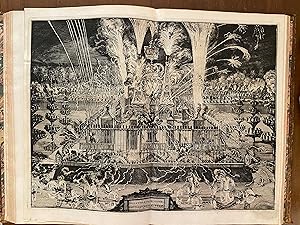
Folio (ca. 268 x 395 mm). (10), 127, (1) pp. With engraved title-page, 14 (instead of 15) engraved plates (11 of which double-page sized), and woodcut printer's device to title-page. Contemporary giltstamped full calf with title label to spine. First edition. Lavishly illustrated account of the 1691 entrance of William of Orange, King William III of England and stadtholder of Holland, to The Hague, the place of his birth. The splendid plates by the Dutch artist Romeyn de Hooghe (1645-1713) show the ceremonial architecture erected in William's honour as well as parades, grand fireworks, and the King's route, including his arrival at Honslerdyk castle, his passing Westend bridge with several windmills in the background, and the triumphal arches with their allegorical designs. - Wants the engraved portrait of William by Philipp van Gunst. Binding somewhat rubbed, spine-ends chipped, hinges starting, corners repaired. A few leaves show marginal tears, barely affecting text or image. A good, wide-margined copy of this sumptuous work of monarchical representation. - Lipperheide 2667. Kat der Ornamentstichsammlung Berlin 2952. Ruggieri 1095. Vinet 752. Graesse I, 419. Landwehr, Splendid Ceremonies 146. Landwehr, R. de Hooghe as book illustrator 79. Printmaking in the Age of Rembrandt, cat. Museum of Fine Arts Boston, 209. Lotz, Das Feuerwerk 105. Sievernich, Feuerwerkskunst 6/36.
-
Komste van zyne Majesteit Willem III. Koning van Groot Britanje, enz. in Holland; ofte omstandelyke beschryving van alles, het welke op des zelfs komste en geduurende zyn verblyf, in 's Graavenhaage en elders, ten teeken van vreugde en eere, is opgerecht en voorgevallen.
Published by Arnoud Leers,, The Hague,, 1691
Seller: ASHER Rare Books, T Goy Houten, Netherlands
Seller rating 5 out of 5 stars
US$ 6,946.48
US$ 28.82 shipping
Ships from Netherlands to U.S.A.Quantity: 1 available
Add to basketFirst edition of a beautifully illustrated commemoration of the triumphal entry of William III into the Hague, it was "the costliest and most elaborate public display ever held on Dutch soil" (Nierop) and the first time of a triumphal entry since the rebellion against Spain. The two directors of the festivities were Govert Bidloo (1649-1713), personal physician to William, and Romeyn de Hooghe (1645-1708), one of the greatest artists to come out of the late Dutch Golden Age. The project served as De Hooghe's rehabilitation after he fell from grace the year before, when he got caught in a feud between William III and the city of Amsterdam. The Orangist leadership now thought that De Hooghe had suffered unjustly for their cause. He not only participated in the planning and design, but also made the splendid plates for the present commemorative volume. A slightly altered French edition followed a year later.From 1672 onwards, William governed as Stadtholder Willem III of Orange over most provinces of the Dutch Republic. In addition, from 1689 onward, he reigned as King William III over England and Ireland, and as King William II over Scotland. After dealing with the last remnants of the rebellion in Ireland, William finally found time to return to Holland in 1691.Binding slightly rubbed along the extremities, but otherwise in very good condition.l Berlin Kat. 2925; Landwehr, Splendid ceremonies 146; Muller, Historieplaten 2827; Nierop, The life of Romeyn de Hooghe (2018), pp. 364-372. Contemporary calf, gold-tooled spine and board edges. With an engraved title-page by Romeyn de Hooghe, a letterpress title-page with Leer's woodcut device, a portrait of King William III by Van Gunst and 14 engraved plates (11 double-page) by Romeyn de Hooghe, showing his triumphal entry into the Hague, the ceremonies, the triumphal arches, their paintings and sculptures, the nightly illumination of the town hall, the fireworks, etc. Further with an extra added engraved plate of King William's tomb by Daniel Marot. Pages: [12, incl. frontispiece], 127, [1 blank] pp.
-
Relation du voyage de sa Majesté britannique en Hollande, Et de la Réception qui luy a été faite. Enrichie de planches très curieuses. Avec un Récit abrégé de ce qui s'est passé de plus considérable depuis l'arrivée de Sa Majesté en Hollande le 31 de Janvier, jusqu'à son retour en Angleterre, au Mois d'Avril 1691 & l'heureux succès de l'expédition d'Irlande, subjuguée par les Armes toujours victorieuses de Sa Majesté.
Publication Date: 1692
Seller: Librairie Camille Sourget, Paris, France
Association Member: ILAB
Seller rating 4 out of 5 stars
Couverture rigide. Condition: Très bon. La Haye, Arnout Leers, 1692. In-folio de 1 frontispice, 1 titre, (4) ff., 1 portrait, 108 pp., 3 planches à pleine page et 11 planches sur double-page. Relié en demi-vélin de l'époque, plats de cartonnage, dos à nerfs, pièce de titre de maroquin bordeaux, date frappée or en pied du dos. Reliure de l'époque. 375 x 245 mm. --- Édition originale de la version française et premier tirage de ce très beau livre de fêtes célébrant l'arrivée de Guillaume III d'Angleterre en Hollande. Landwehr, R. de Hooghe, 80 ; Fairfax Murray, French, 700 ; Landwehr, Splendid ceremonies, 147. « Le frontispice contient le 1er titre, de belles figures allégoriques, le portrait du Roi dans un médaillon et, dans un petit cartouche, le nom du dessinateur graveur Romain de Hooghe auquel sont dues les planches. Il est suivi d'un beau portrait du Roi, dessiné par Brandon et gravé par P. de Gunst et de 14 planches hors texte, la plupart double in-folio, dont 6 représentent des cortèges de nombreux cavaliers civils et militaires et des carrosses attelés. Le texte (attribué par Vinet à Tronchin du Breuil) en donne la description. Il s'agit du Roi Guillaume III, 1650-1702, fils de Guillaume II de Nassau, Prince d'Orange, élu Stathouder de Hollande en 1672 et proclamé Roi d'Angleterre en 1689. On sait que sa vie ne fut qu'une longue lutte contre Louis XIV. Son séjour à La Haye en 1691 avait pour but une entrevue avec les princes ligués contre le Roi de France. Le texte, qui est entièrement en français, sauf le privilège qui est en hollandais et les légendes des planches qui sont dans les deux langues, donne le détail de ces conférences, ainsi que les noms et qualités des personnages qui y prirent part. Les planches présentent un intérêt particulier au point de vue hippique. Bel ouvrage assez rare. » (Mennessier de la Lance, n°635). « Guillaume III entreprit ce voyage pour conférer à La Haye avec les princes ligués avec lui contre Louis XIV, qui se do /// La Haye, Arnout Leers, 1692. Folio of 1 frontispiece, 1 title, (4) ll., 1 portrait, 108 pp., 3 full-page plates and 11 double-page plates. Bound in contemporary half-vellum, covers in cardboard, spine with raised bands, red morocco lettering piece, date gilt-stamped at the foot of the spine. Contemporary binding. 375 x 245 mm. --- First edition of the French version and first issue of the plates of this very beautiful festival book celebrating the Reception of William III, King of England, in Holland in 1691. Landwehr, R. de Hooghe, 80 ; Fairfax Murray, French, 700 ; Landwehr, Splendid ceremonies, 147. "The frontispiece contains the first title as well as a portrait of the King in a medallion and the name of the drawer of the plates Romeyn de Hooghe in a cartouche. It is followed by a beautiful portrait of the king drawn by Brandon and engraved by P. de Gunst and by 14 plates out of pagination, most of them on double-page, including 6 that depict processions with many civil and military riders as well as coaches. The text (attributed by Vinet to Tronchin du Breuil) describes them. King William III, 1650-1702, the son of William II, Prince of Orange, proclaimed king of England in 1689. His stay in The Hague in 1691 with intent to arrange a meeting with the Princes forming a league against the King of France [?]" (Mennessier de la Lance, n°635). « Sixteen plates illustrate this remarkable publication, including the frontispiece. There is a portrait of William III drawn by Jean Brandon and engraved by P. von Gunst. The other plates were executed by Romeyn de Hooghe. They depict the arrival of William in Honstarijk, his reception in the court, the reception of William on the bridge of Westland, the illumination and ornamentation of the town hall, the triumphal arch on the market, the triumphal arch on the square, the paintings inside the arch, the entry of His Majesty under the arch, ? This entry is distinguishable from others by the profusion of paintings.
-
RELATION DU VOYAGE DE SA MAJESTE BRITANNIQUE EN HOLLANDE, ET DE LA RECEPTION QUI LUY A ETE FAITE. ENRICHE DE PLANCHES TRE-CURIEUSES
Published by Arnout Leers, The Hague, 1692
Seller: L'Estampe Originale ABAA/ILAB-LILA, Saratoga, CA, U.S.A.
Seller rating 5 out of 5 stars
First Edition
original calf binding. Condition: Near Fine. Dust Jacket Condition: no DJ. ROMEYN DE HOOGHE (illustrator). 1st. ( DE HOOGHE, ROMEYN). GOVERT BIDLOO.The Hague., Chez Arnout Leers., 1692. Folio. Original marbled calf binding. There are 16 single and double page engraved illustrations including the title page. Landwehr, R. de Hooghe, 80; Vinet 752, Hoefer 147, Landwehr, Splendid Ceremonies, 147. Ex Library. The account of the arrival of King William III and the reception in the Hague gives the impression that the author's text closely followed the illustrations by de Hooghe. (Landwehr). All of the bibliographies concur that this work is one of the chefs d'oeuvre of de Hooghe. "One of his best books" (Hofer, Baroque Book illustration, 47) and is concurred by Didot, 951. This book represents a height of festivities begun by the Italians at Mantua more than a century before in the triumphant new era which began with the abdication of James II in favor of William of Orange. After the Battle of the Boyne William traveled to Holland to seek the safety of an alliance against the French and this book celebrates that visit. The Dutch text was issued in 1691, a French text in 1692. In this French edition the plates were printed at the same time as the Dutch therefore they are first state. A very fine copy with beautiful impressions of all the plates in the original calf binding. One of the most beautiful Dutch baroque festival books, superbly illustrated with 15 plates by Romeyn de Hooghe, the great chronicler of his age. The frontispiece was commissioned for this reception. Romeyn de Hooghe (Amsterdam 1645â"1708 Haarlem) produced a world of art in many forms, including paintings, sculpture, medallic art, and temporary decorations for royal events. Above all, however, De Hooghe is known for his etchings, and he completed a staggering four thousandâ"plus plates in his lifetime. Active at a time when the smallâ"but wealthy and powerfulâ"Dutch Republic was engaged in a host of interactions, warlike and otherwise, with its European neighbors and far-flung colonial interests, This edition, after the Dutch edition, has the introduction of Jean Tronchin de Breuil. There are unnoticeable water contractions on the verso of some of the illustrations not affecting the image. Could have been the expert removal of a collector's stamp.
-
Anat. corp. human., 67.-71.Tab.: Anatomy of the Hand.
Publication Date: 1698
Seller: Antiq. F.-D. Söhn - Medicusbooks.Com, Marburg, Germany
Seller rating 5 out of 5 stars
Art / Print / Poster
Oxford/London 1698 (or 1737) The Anatomy of human bodies, 2° , 5 Kupferstichtafeln, 35 x 50 cm; Tafelerklärungen beigelegt. 67.: Some of the Muscles Employ'd Bending the Fingers and Carpus. 68.: The Muiscles Bending the Fingers, Thumb, Carpus, &c. Rais'd from their Originations and left at their Infections. 69.: Presents the External Muscles lying on the Cubit, imploy'd in Extending the Fingers, Thumb and Carpus. The Skin with the Parts annex'd , Rais'd. 70.: Divers Muscles, which Extend the Carpus, Fingers, and Thumb; somewhat Separated from each other Rais'd. 71.: Shews the Muscles Employ'd in Extending the Carpus, and Fingers, Rais'd and left at their Infertions. Diese Tafeln der Hand gehören zu den berühmtesten und schönsten barocken anatomischen Abbildungen der Hand, insbesondere die Abbildung der Beugeseite gilt als unerreicht. Nach Haller sind die Stiche von Van Gunst ausgeführt. These plates of Govard Bidloo (1649-1713) "must take their place amongst the canon of great anatomical illustrations, and this is in no small measure due to the artist employed, Gerard de Lairesse (1640-1711). Roberts & Tomlinson, The Fabric of the Body.
-
Brieven der gemartelde Apostelen.
Language: German
Published by Amsterdam, Sweerts,, 1675
Seller: Antiquariat Bernhard Schäfer, Bad Karlshafen, Germany
Association Member: BOEV ILAB VDA
Seller rating 4 out of 5 stars
First Edition
7 Bll., 84 S. mit gest. Titel, gest. Titelvign. und 13 Textkupfern von R. de Hoogh. Erste Ausgabe. Govert Bidloo (16491713) war nicht nur Dichter, sondern auch Chirurg und später Anatomieprofessor in Leiden, Leibarzt von König-Stadthalter Wilhelm III. und wie der Illustrator Romeyn de Hooghe ein glühender Anhänger des Prinzen von Oranien und Verfechter seiner antifranzösischen Politik. Die erbaulichen Briefe der Märtyrerapostel" gehören obwohl ausschließlich von Männern zur Gattung der Heldinnenbriefe, poetische Texte in Briefform berühmter Frauen, die an eine geliebte oder vertraute Person gerichtet sind. Gerne können Sie Bilder anfordern oder mit mir über Ihre Preisvorstellung sprechen Sprache: Deutsch Gewicht in Gramm: 550 Gr.-8°. Pergamentband d. Zt. (leicht fleckig).
-
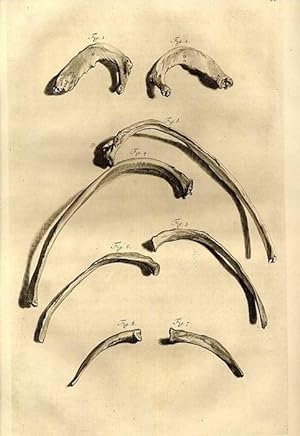
Anat. corp. human., 94.Tab.: The Ribs.
Publication Date: 1698
Seller: Antiq. F.-D. Söhn - Medicusbooks.Com, Marburg, Germany
Seller rating 5 out of 5 stars
Art / Print / Poster
Oxford/London 1698 (or 1737) The Anatomy of human bodies, 2° , 1 Kupferstichtafel 35 x 50 cm; Tafelerklärungen beigelegt.
-
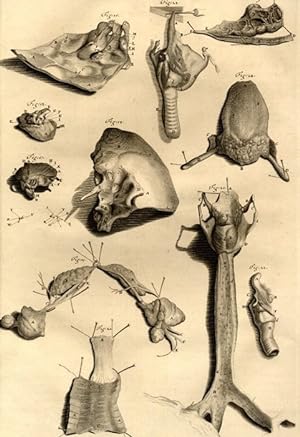
Anat. corp. human.: App., 5.Tab.: Divers Parts of the Organ of hearing of a Man; The External Surface of the Ostempoum on the Right Side; Os Temporum; Salvial Glands; Larynx; Tongue; .
Publication Date: 1698
Seller: Antiq. F.-D. Söhn - Medicusbooks.Com, Marburg, Germany
Seller rating 5 out of 5 stars
Art / Print / Poster
Oxford/London 1698 (or 1737) The Anatomy of human bodies, 2° , 1 Kupferstichtafel 56 x 35 cm; Tafelerklärungen beigelegt.
-
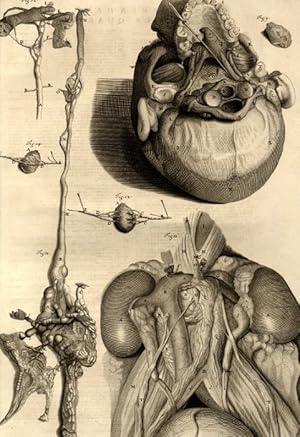
Anat. corp. human.: App., 4.Tab.: Bais of the Skull with First Vertebra of the Neck remaining on it, together with divers Muscles and other Parts; The Thoracick Duct; The Receptaculum Chyli Fill'd. .
Publication Date: 1698
Seller: Antiq. F.-D. Söhn - Medicusbooks.Com, Marburg, Germany
Seller rating 5 out of 5 stars
Art / Print / Poster
Oxford/London 1698 (or 1737) The Anatomy of human bodies, 2° , 1 Kupferstichtafel 56 x 35 cm; Tafelerklärungen beigelegt.
-
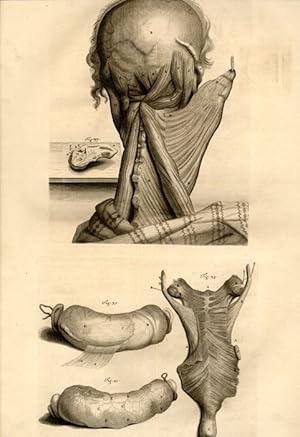
Anat. corp. human.: App., 9.Tab.: Shews divers Muscles Employ'd in the Motions of the Head and Vertebrae of the Neck, which Appear onm the Back-Part; .
Publication Date: 1698
Seller: Antiq. F.-D. Söhn - Medicusbooks.Com, Marburg, Germany
Seller rating 5 out of 5 stars
Art / Print / Poster
Oxford/London 1698 (or 1737) The Anatomy of human bodies, 2° , 1 Kupferstichtafel 56 x 35 cm; Tafelerklärungen beigelegt.
-
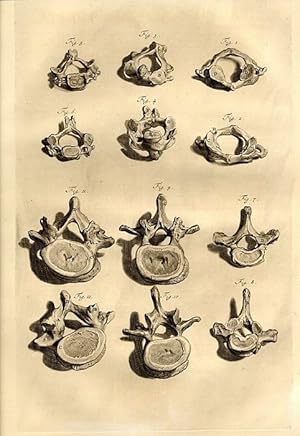
Anat. corp. human., 93.Tab.: The Bones of the Vertebrae.
Publication Date: 1698
Seller: Antiq. F.-D. Söhn - Medicusbooks.Com, Marburg, Germany
Seller rating 5 out of 5 stars
Art / Print / Poster
Oxford/London 1698 (or 1737) The Anatomy of human bodies, 2° , 1 Kupferstichtafel 35 x 5= cm; Tafelerklärungen beigelegt.
-
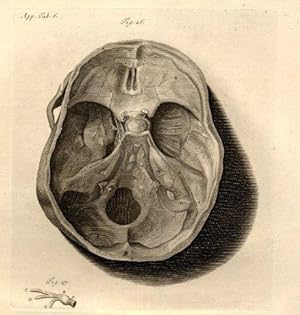
Anat. corp. human.: App., 6.Tab.: Represnets the Internal Surface of the Basis of the Cranium, with the Inferior Part of the Dura Mater remaining on it; .
Publication Date: 1698
Seller: Antiq. F.-D. Söhn - Medicusbooks.Com, Marburg, Germany
Seller rating 5 out of 5 stars
Art / Print / Poster
Oxford/London 1698 (or 1737) The Anatomy of human bodies, 2° , 1 Kupferstichtafel 56 x 35 cm; Tafelerklärungen beigelegt.


![Seller image for Komste van Zyne Majesteit Willem III. Koning van Groot Britanje, enz. in Holland; ofte omstandelyke beschryving van alles, het welke op des zelfs komste en geduurende zyn verblyf, in 's Graavenhaage en elders, ten teeken van vreugde en eere, is opgerecht en voorgevallen [.]. for sale by Antiquariat INLIBRIS Gilhofer Nfg. GmbH](https://pictures.abebooks.com/inventory/md/md30930315917.jpg)