
Downing Bob (6 results)
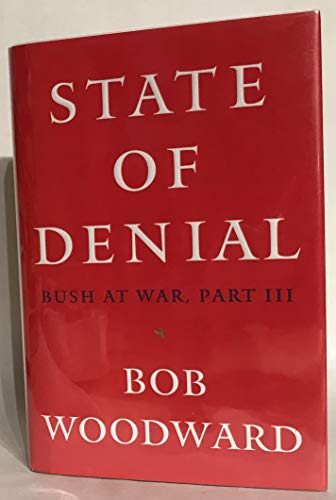
Language: English
Published by Simon & Schuster, Inc., New York, London, et al. 2006
Series: Bush at War, Book 3 of 4. Book 3 of 4 - Bush at War
- Hardcover
Seller: gearbooks, The Bronx, NY, U.S.A.gearbooks
Contact seller5-star sellerCondition: Used - As new
US$ 13.48
US$ 5.99 shippingShips within U.S.A.Quantity: 1 available
Hardcover. Condition: Like New. Dust Jacket Condition: Like New. Part 3. 560 pp. Part 3 only! Over-sized and/or over weight book; extra postage required. Please note that large and/or heavy items may incur an additional shipping charge. Clean, fresh, sharp, essentially, flawless book and dust jacket save very mild and light shel…f wear. Jackie Seow (Jacket Design); Larry Downing/Reuters (Back Jacket Photo); Lisa Berg (Author Photo); Jamie Putorti (Design) (illustrator).

CASE-CON No.5, Autumn 1971
Downing, Mike; Thomas,, Alun; Kincaid, Jim; Deacon, Bob; Sheridan, Betty et al.
Published by Case-Con, London 1971
- Softcover
- Periodical
Seller: Left On The Shelf (PBFA), Kendal, United KingdomLeft On The Shelf (PBFA)
Contact seller5-star sellerCondition: Used - Good
US$ 20.73
US$ 40.25 shippingShips from United Kingdom to U.S.A.Quantity: 1 available
Magazine. Condition: Good. Rank and file journal for social workers. IS/SWP stable.
Language: English
Published by Simon & Schuster, New York 2006
Series: Bush at War, Book 3 of 4. Book 3 of 4 - Bush at War
- Hardcover
- First Edition
- Signed
Seller: Ground Zero Books, Ltd., Silver Spring, MD, U.S.A.Ground Zero Books, Ltd.
Contact seller5-star sellerCondition: Used - Very good
US$ 125.00
US$ 5.00 shippingShips within U.S.A.Quantity: 2 available
Hardcover. Condition: Very good. Dust Jacket Condition: Very good. First printing [stated]. xiv, 560 pages. Illustrations. Sources. Index. Signed by the author on the fep. DJ has slight wear and soiling. Small crease in rear DJ flap. Woodward's book on the Bush White House again provides an unparalleled, intimate account of the…present state of national security decision-making. Robert Upshur Woodward (born March 26, 1943) is an American investigative journalist. He has worked for The Washington Post since 1971 as a reporter and is now an associate editor there. While a young reporter for The Washington Post in 1972, Woodward teamed up with Carl Bernstein; the two did much of the original news reporting on the Watergate scandal. These scandals led to numerous government investigations and the eventual resignation of President Richard Nixon. The work of Woodward and Bernstein was called "maybe the single greatest reporting effort of all time" by longtime journalism figure Gene Roberts. Woodward continued to work for The Washington Post after his reporting on Watergate. He has since written 18 books on American politics, 13 of which topped bestseller lists. State of Denial: Bush at War, Part III was originally due to be published October 2, 2006 (but unexpectedly released two days early by the publisher due to demand), that examines how the George W. Bush administration managed the Iraq War after the 2003 invasion. It follows Woodward's previous books on the Bush administration, Bush at War and Plan of Attack. Based on interviews with a number of people in the Bush administration, the book makes a number of allegations about the administration. "Insurgents and terrorists retain the resources and capabilities to sustain and even increase current level of violence through the next year.'' This was the secret Pentagon assessment sent to the White House in May 2006. The forecast of a more violent 2007 in Iraq contradicted the repeated optimistic statements of President Bush, including one, two days earlier, when he said we were at a ''turning point" that history would mark as the time "the forces of terror began their long retreat." State of Denial examines how the Bush administration avoided telling the truth about Iraq to the public, to Congress, and often to themselves. Two days after the May report, the Pentagon told Congress, in a report required by law, that the "appeal and motivation for continued violent action will begin to wane in early 2007." In this detailed inside story of a war-torn White House, Bob Woodward reveals how White House Chief of Staff Andrew Card, with the indirect support of other high officials, tried for 18 months to get Defense Secretary Donald Rumsfeld replaced. The president and Vice President Cheney refused. At the beginning of Bush's second term, Stephen Hadley, who replaced Condoleezza Rice as national security adviser, gave the administration a 'D minus' on implementing its policies. A secret report to the new Secretary of State Rice from her counselor stated that, nearly two years after the invasion, Iraq was a "failed state." The book reveals that at the urging of Cheney and Rumsfeld, the most frequent outside visitor and Iraq adviser to President Bush is former Secretary of State Henry Kissinger, who, haunted still by the loss in Vietnam, emerges as a hidden and potent voice. Woodward reveals that the secretary of defense himself believes that the system of coordination among departments and agencies is broken, and in a secret May 1, 2006 memo Rumsfeld stated, that "the current system of government makes competence next to impossible." State of Denial answers the core questions: What happened after the invasion of Iraq? Why? How does Bush make decisions and manage a war that he chose to define his presidency? And is there an achievable plan for victory. Lisa Berg (Author photograph) and Larry Downing (B (illustrator).
 More images
Published by Fielden Park College, Manchester, UK 1977
- Hardcover
- First Edition
- Signed
Seller: Scrivener's Books and Bookbinding, Derbyshire, , United KingdomScrivener's Books and Bookbinding
Contact seller4-star sellerCondition: Used - Very good
US$ 27.64
US$ 46.96 shippingShips from United Kingdom to U.S.A.Quantity: 1 available
Hardcover. Condition: Very Good. 1st Edition. Small hardback book, landscape format, grey and brown illustrated boards, dark yellow epps with gilt vignette of native American, description and illustration of various tribes each in different coloured ink. Printed as a project by students in the college in Manchester 1977. Signed…and dedicated by the author on ffep. An interesting and scarce item. Signed by Author(s).
Language: English
Published by Simon & Schuster, New York 2006
Series: Bush at War, Book 3 of 4. Book 3 of 4 - Bush at War
- Hardcover
- Signed
Seller: Ground Zero Books, Ltd., Silver Spring, MD, U.S.A.Ground Zero Books, Ltd.
Contact seller5-star sellerCondition: Used - Very good
US$ 275.00
US$ 5.00 shippingShips within U.S.A.Quantity: 1 available
Hardcover. Condition: Very good. Dust Jacket Condition: Very good. First printing [stated]. xiv, 560 pages. Illustrations. Sources. Index. Inscribed by the author on the fep that reads To Judge McCullough With immense respect & many thanks for all you have done for Dad. Bob Woodward. DJ has slight wear and soiling. Some page dar…kening. Woodward's book on the Bush White House provides an unparalleled, intimate account of the present state of national security decision-making. Robert Upshur Woodward (born March 26, 1943) is an investigative journalist. He has worked for The Washington Post since 1971 as a reporter and is now an associate editor. In 1972, Woodward teamed up with Carl Bernstein; the two did much of the original news reporting on the Watergate scandal. These scandals led to the eventual resignation of President Richard Nixon. Woodward continued to work for The Washington Post after his reporting on Watergate. He has since written 18 books on American politics, 13 of which topped bestseller lists. Based on interviews with a number of people in the Bush administration, the book makes a number of allegations about the administration. "Insurgents and terrorists retain the resources and capabilities to sustain and even increase current level of violence through the next year.'' This was the secret Pentagon assessment sent to the White House in May 2006. The forecast of a more violent 2007 in Iraq contradicted the repeated optimistic statements of President Bush, including one, two days earlier, when he said we were at a ''turning point" that history would mark as the time "the forces of terror began their long retreat." State of Denial examines how the Bush administration avoided telling the truth about Iraq to the public, to Congress, and often to themselves. Two days after the May report, the Pentagon told Congress, in a report required by law, that the "appeal and motivation for continued violent action will begin to wane in early 2007." In this detailed inside story of a war-torn White House, Bob Woodward reveals how White House Chief of Staff Andrew Card, with the indirect support of other high officials, tried for 18 months to get Defense Secretary Donald Rumsfeld replaced. The president and Vice President Cheney refused. At the beginning of Bush's second term, Stephen Hadley, who replaced Condoleezza Rice as national security adviser, gave the administration a 'D minus' on implementing its policies. A secret report to the new Secretary of State Rice from her counselor stated that, nearly two years after the invasion, Iraq was a "failed state." The book reveals that at the urging of Cheney and Rumsfeld, the most frequent outside visitor and Iraq adviser to President Bush is former Secretary of State Henry Kissinger, who, haunted still by the loss in Vietnam, emerges as a hidden and potent voice. Woodward reveals that the secretary of defense himself believes that the system of coordination among departments and agencies is broken, and in a secret May 1, 2006 memo Rumsfeld stated, that "the current system of government makes competence next to impossible." State of Denial answers the core questions: What happened after the invasion of Iraq? Why? How does Bush make decisions and manage a war that he chose to define his presidency? And is there an achievable plan for victory. Lisa Berg (Author photograph) and Larry Downing (B (illustrator). Signed.

Strength and Health Magazine, February (Feb.) 1938, Volume 6, Number 3 - Sex Relations and Health
Venables, Gordon; Downing, D.A.; Hoffman, Bob; Grimek, John; Tilney, F.; Mitchell, Bob; Jones, R.L.; Bullock, W.
Published by Strength and Health Publishing Company, York, Pennsylvania 1938
- Softcover
- First Edition
- Periodical
Seller: RareNonFiction, IOBA, Ladysmith, BC, CanadaRareNonFiction, IOBA
Contact seller5-star sellerCondition: Used - Good
US$ 149.95
US$ 19.99 shippingShips from Canada to U.S.A.Quantity: 1 available
Single Issue Magazine. Condition: Good. First Edition. 50 pages. Features: Cover photo of George Kiehl; Title page photo of James M. Hafey; The Emperor Giant - Severus; Incredible but True - the brain can still function after incredible injury; What You Should Know About the Body - blood flow and the major blood vessels; Some of… the Best Exercises Without Apparatus - with photos of John Grimek; ; An Ideal - And Then Success - Feature article on cover subject George Kiehl; Making Marriage Successful - article with photos of Barton Hovarth, Bill Vanselow, Bob Harley and Orville Wertz-Baugher; A Woman's Life is a Real Beauty Contest - with fantastic double-page photo of female contestants in the "Inter City Beauties - Showmen's Variety Jubilee, Steel Pier" at Atlantic City, Sept 6-12, 1937; Why You Should Maintain a Tranquil Mind; Louis Abele - Latest Strength Sensation; Favorite Exercises of Champions - article with photos of Dave Mayor, Dick Bachtell, Tony Terlazzo, Elmer Farnham, Johnny Terpak, Walter Good, Weldon Bullock, Eddie Harrison and Wally Zagurski; How Strong was Abraham Lincoln?; More About Sex Relations and Health - with photos of Emile Mogyrosky, George Hackenschmidt, Stanislaus Zbysko, John Grun Marx, Otto Arco and Adrien Deriaz; and more. Nice ads for the York Barbell Co. (two in color) and the Perfect Voice Institute. Average wear. Binding intact. Unmarked. A sound vintage copy of this great issue.


