

Order Total (1 Item Items):
Shipping Destination:

Frederic Joseph Brown (25 results)
Skip to main search results
Search filters
Product Type
- All Product Types
- Books (25)
- Magazines & Periodicals (No further results match this refinement)
- Comics (No further results match this refinement)
- Sheet Music (No further results match this refinement)
- Art, Prints & Posters (No further results match this refinement)
- Photographs (No further results match this refinement)
- Maps (No further results match this refinement)
- Manuscripts & Paper Collectibles (No further results match this refinement)
Condition Learn more
- New (19)
- As New, Fine or Near Fine (2)
- Very Good or Good (4)
- Fair or Poor (No further results match this refinement)
- As Described (No further results match this refinement)
Binding
Collectible Attributes
- First Edition (1)
- Signed (No further results match this refinement)
- Dust Jacket (No further results match this refinement)
- Seller-Supplied Images (12)
- Not Print on Demand (13)
Language (2)
Free Shipping
Seller Location
Seller Rating
-
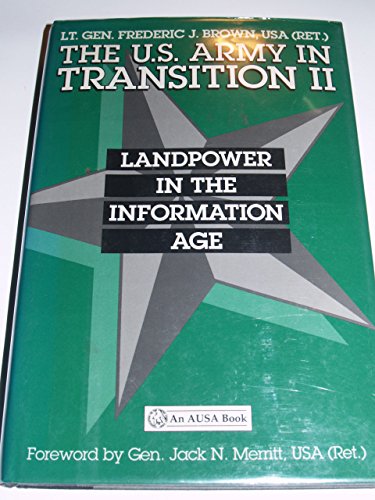
hardcover. Condition: Very Good. Connecting readers with great books since 1972! Used books may not include companion materials, and may have some shelf wear or limited writing. We ship orders daily and Customer Service is our top priority!
-

Hardcover. Condition: Very Good. No Jacket. May have limited writing in cover pages. Pages are unmarked. ~ ThriftBooks: Read More, Spend Less.
-
![Seller image for Outdoor structures. [Volume 13 of Home Repair and Improvement Series] [Laying the groundwork -- Borders of wood, brick and iron -- Quick-and-easy backyard building -- A roomy all-purpose structure] for sale by Joseph Valles - Books](https://pictures.abebooks.com/inventory/md/md12023381799.jpg)
Outdoor structures. [Volume 13 of Home Repair and Improvement Series] [Laying the groundwork -- Borders of wood, brick and iron -- Quick-and-easy backyard building -- A roomy all-purpose structure]
Language: English
Published by Alexandria, Va. : Time-Life Books, 1981, 1981
ISBN 10: 0809424029 ISBN 13: 9780809424023
Seller: Joseph Valles - Books, Stockbridge, GA, U.S.A.
Seller rating 5 out of 5 stars

Hardcover. Condition: Very Good. No Jacket. 128 p., [4] leaves of plates : ill. ; 26 cm. ; ISBN: 0809424029 (retail ed.); 9780809424023 (retail ed.) LCCN: 78-1110 ; LC: TH4955; Dewey: 690.89 ; OCLC: 8577251 ; color pictorial boards ; no dustjacket ; "Offers instructions for building and repairing fences, gates, walls, gazebos, tree houses, benches, and storage structures" ; Contents: Laying the groundwork -- Borders of wood, brick and iron -- Quick-and-easy backyard building -- A roomy all-purpose structure. ; VG. Book.
-
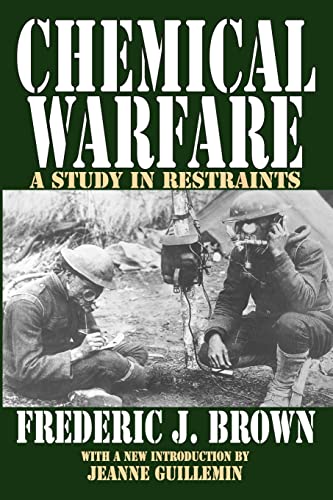
Condition: As New. Unread book in perfect condition.
-

Chemical Warfare: A Study in Restraints
Language: English
Published by Princeton University Press, 2016
ISBN 10: 069162237X ISBN 13: 9780691622378
Seller: Kennys Bookshop and Art Galleries Ltd., Galway, GY, Ireland
Seller rating 5 out of 5 stars
Condition: New. Series: Princeton Legacy Library. Num Pages: 376 pages, black & white illustrations. BIC Classification: JPA; JPSF; JWMC. Category: (P) Professional & Vocational; (U) Tertiary Education (US: College). Dimension: 203 x 133 x 20. Weight in Grams: 371. . 2015. Reprint. Paperback. . . . .
-
Chemical Warfare: A Study in Restraints
Language: English
Published by Princeton University Press, 2015
ISBN 10: 069162237X ISBN 13: 9780691622378
Condition: New. Series: Princeton Legacy Library. Num Pages: 376 pages, black & white illustrations. BIC Classification: JPA; JPSF; JWMC. Category: (P) Professional & Vocational; (U) Tertiary Education (US: College). Dimension: 203 x 133 x 20. Weight in Grams: 371. . 2015. Reprint. Paperback. . . . . Books ship from the US and Ireland.
-

Chemical Warfare : A Study in Restraints
Seller: GreatBookPricesUK, Woodford Green, United Kingdom
Seller rating 5 out of 5 stars
US$ 71.23
US$ 20.19 shipping
Ships from United Kingdom to U.S.A.Quantity: Over 20 available
Add to basketCondition: New.
-
Condition: New.
-
Chemical Warfare : A Study in Restraints
Seller: GreatBookPricesUK, Woodford Green, United Kingdom
Seller rating 5 out of 5 stars
US$ 75.60
US$ 20.19 shipping
Ships from United Kingdom to U.S.A.Quantity: Over 20 available
Add to basketCondition: As New. Unread book in perfect condition.
-
Chemical Warfare: A Study in Restraints
Language: English
Published by Princeton University Press, 2015
ISBN 10: 069162237X ISBN 13: 9780691622378
Seller: THE SAINT BOOKSTORE, Southport, United Kingdom
Seller rating 5 out of 5 stars
US$ 79.79
US$ 19.83 shipping
Ships from United Kingdom to U.S.A.Quantity: 1 available
Add to basketPaperback / softback. Condition: New. New copy - Usually dispatched within 4 working days.
-
Spearhead 73rd Artillery Division Artillery 3rd Armoured Division Germany 1959
Published by 73rd Division Artillery, 1959
Seller: WORLD WAR BOOKS, TUNBRIDGE WELLS, United Kingdom
Association Member: PBFA
Seller rating 5 out of 5 stars
First Edition
US$ 48.52
US$ 17.30 shipping
Ships from United Kingdom to U.S.A.Quantity: 1 available
Add to basketHardcover. Condition: Very Good -. No Jacket. 1st Edition. Hardback in yellow/black boards with Spearhead motif to front. Interesting reference with full details of 73rd Artillery, 3rd Armoured Division, Germany, including many photographs of groups (some named) and equipment and base at Grafenwoher. Also brief history of the unit in WWII. c.80pp., illustations. Covers modestly rubbed at corners and spine bottom, else very good. Ships from UK.
-
Chemical Warfare: A Study in Restraints (Princeton Legacy Library)
Language: English
Published by Princeton University Press, 2015
ISBN 10: 069162237X ISBN 13: 9780691622378
US$ 108.67
US$ 13.46 shipping
Ships from United Kingdom to U.S.A.Quantity: 2 available
Add to basketPaperback. Condition: Brand New. reprint edition. 376 pages. 8.00x5.25x0.85 inches. In Stock.
-

US$ 301.71
US$ 16.82 shipping
Ships from United Kingdom to U.S.A.Quantity: 2 available
Add to basketHardcover. Condition: Brand New. 376 pages. 8.50x5.50x8.50 inches. In Stock.
-

Chemical Warfare
Language: English
Published by Princeton University Press, US, 2015
ISBN 10: 069162237X ISBN 13: 9780691622378
Paperback. Condition: New. Why would a nation, in the midst of a vicious and unrestricted war, hesitate to employ a weapon guaranteed to inflict massive casualties on the enemy? Major Frederic Brown offers here the first critical analysis of this curious World War II phenomenon. He investigates the nature of restraints-political, military, economic, and psychological-operative in varying degrees between 1919 and 1945, when U.S. chemical warfare policy was being formed. Starting with the experiences of toxic agent use during World War I, Major Brown shows how various restraints to gas warfare developed during the inter-war years. He then discusses the World War II experience. In the conclusion Major Brown relates his findings to contemporary conflicts and offers important implications for the future of the cold war. Originally published in 1968. The Princeton Legacy Library uses the latest print-on-demand technology to again make available previously out-of-print books from the distinguished backlist of Princeton University Press. These editions preserve the original texts of these important books while presenting them in durable paperback and hardcover editions.The goal of the Princeton Legacy Library is to vastly increase access to the rich scholarly heritage found in the thousands of books published by Princeton University Press since its founding in 1905.
-
Chemical Warfare: A Study in Restraints (Princeton Legacy Library)
Language: English
Published by Princeton University Press, 2015
ISBN 10: 069162237X ISBN 13: 9780691622378
US$ 78.40
US$ 13.46 shipping
Ships from United Kingdom to U.S.A.Quantity: 1 available
Add to basketPaperback. Condition: Brand New. reprint edition. 376 pages. 8.00x5.25x0.85 inches. In Stock. This item is printed on demand.
-

Chemical Warfare
Language: English
Published by Princeton University Press, 2016
ISBN 10: 069162237X ISBN 13: 9780691622378
Kartoniert / Broschiert. Condition: New. Dieser Artikel ist ein Print on Demand Artikel und wird nach Ihrer Bestellung fuer Sie gedruckt. Über den AutorFrederic Joseph BrownKlappentextrnrnWhy would a nation, in the midst of a vicious and unrestricted war, hesitate to employ a weapon guaranteed to inflict massive casualties on the enemy? Major Frede.
-

Chemical Warfare
Language: English
Published by Princeton University Press, US, 2015
ISBN 10: 069162237X ISBN 13: 9780691622378
Paperback. Condition: New. Why would a nation, in the midst of a vicious and unrestricted war, hesitate to employ a weapon guaranteed to inflict massive casualties on the enemy? Major Frederic Brown offers here the first critical analysis of this curious World War II phenomenon. He investigates the nature of restraints-political, military, economic, and psychological-operative in varying degrees between 1919 and 1945, when U.S. chemical warfare policy was being formed. Starting with the experiences of toxic agent use during World War I, Major Brown shows how various restraints to gas warfare developed during the inter-war years. He then discusses the World War II experience. In the conclusion Major Brown relates his findings to contemporary conflicts and offers important implications for the future of the cold war. Originally published in 1968. The Princeton Legacy Library uses the latest print-on-demand technology to again make available previously out-of-print books from the distinguished backlist of Princeton University Press. These editions preserve the original texts of these important books while presenting them in durable paperback and hardcover editions.The goal of the Princeton Legacy Library is to vastly increase access to the rich scholarly heritage found in the thousands of books published by Princeton University Press since its founding in 1905.
-

Chemical Warfare | A Study in Restraints
Language: English
Published by Princeton University Press, 2015
ISBN 10: 069162237X ISBN 13: 9780691622378
Taschenbuch. Condition: Neu. Chemical Warfare | A Study in Restraints | Frederic Joseph Brown | Taschenbuch | Einband - flex.(Paperback) | Englisch | 2015 | Princeton University Press | EAN 9780691622378 | Verantwortliche Person für die EU: Libri GmbH, Europaallee 1, 36244 Bad Hersfeld, gpsr[at]libri[dot]de | Anbieter: preigu Print on Demand.
-

Chemical Warfare : A Study in Restraints
Language: English
Published by Princeton University Press, 2015
ISBN 10: 069162237X ISBN 13: 9780691622378
Taschenbuch. Condition: Neu. nach der Bestellung gedruckt Neuware - Printed after ordering - Why would a nation, in the midst of a vicious and unrestricted war, hesitate to employ a weapon guaranteed to inflict massive casualties on the enemy Major Frederic Brown offers here the first critical analysis of this curious World War II phenomenon. He investigates the nature of restraints-political, military, economic, and psychological-operative in varying degrees between 1919 and 1945, when U.S. chemical warfare policy was being formed. Starting with the experiences of toxic agent use during World War I, Major Brown shows how various restraints to gas warfare developed during the inter-war years. He then discusses the World War II experience. In the conclusion Major Brown relates his findings to contemporary conflicts and offers important implications for the future of the cold war.Originally published in 1968.The Princeton Legacy Library uses the latest print-on-demand technology to again make available previously out-of-print books from the distinguished backlist of Princeton University Press. These editions preserve the original texts of these important books while presenting them in durable paperback and hardcover editions. The goal of the Princeton Legacy Library is to vastly increase access to the rich scholarly heritage found in the thousands of books published by Princeton University Press since its founding in 1905.
-
Chemical Warfare (Paperback)
Language: English
Published by Princeton University Press, New Jersey, 2015
ISBN 10: 069162237X ISBN 13: 9780691622378
US$ 100.49
US$ 49.80 shipping
Ships from United Kingdom to U.S.A.Quantity: 1 available
Add to basketPaperback. Condition: new. Paperback. Why would a nation, in the midst of a vicious and unrestricted war, hesitate to employ a weapon guaranteed to inflict massive casualties on the enemy? Major Frederic Brown offers here the first critical analysis of this curious World War II phenomenon. He investigates the nature of restraints-political, military, economic, and psychological-operative in varying degrees between 1919 and 1945, when U.S. chemical warfare policy was being formed. Starting with the experiences of toxic agent use during World War I, Major Brown shows how various restraints to gas warfare developed during the inter-war years. He then discusses the World War II experience. In the conclusion Major Brown relates his findings to contemporary conflicts and offers important implications for the future of the cold war. Originally published in 1968. The Princeton Legacy Library uses the latest print-on-demand technology to again make available previously out-of-print books from the distinguished backlist of Princeton University Press. These editions preserve the original texts of these important books while presenting them in durable paperback and hardcover editions.The goal of the Princeton Legacy Library is to vastly increase access to the rich scholarly heritage found in the thousands of books published by Princeton University Press since its founding in 1905. Why would a nation, in the midst of a vicious and unrestricted war, hesitate to employ a weapon guaranteed to inflict massive casualties on the enemy? Major Frederic Brown offers here the first critical analysis of this curious World War II phenomenon. He investigates the nature of restraints-political, military, economic, and psychological-operati This item is printed on demand. Shipping may be from our UK warehouse or from our Australian or US warehouses, depending on stock availability.
-

Chemical Warfare
Language: English
Published by Princeton University Press, 2016
ISBN 10: 0691649154 ISBN 13: 9780691649153
US$ 158.98
US$ 57.00 shipping
Ships from Germany to U.S.A.Quantity: Over 20 available
Add to basketGebunden. Condition: New. Dieser Artikel ist ein Print on Demand Artikel und wird nach Ihrer Bestellung fuer Sie gedruckt. Über den AutorFrederic Joseph BrownKlappentextrnrnWhy would a nation, in the midst of a vicious and unrestricted war, hesitate to employ a weapon guaranteed to inflict massive casualties on the enemy? Major Frede.
-

Chemical Warfare
Language: English
Published by Princeton University Press, US, 2016
ISBN 10: 0691649154 ISBN 13: 9780691649153
Hardback. Condition: New. Why would a nation, in the midst of a vicious and unrestricted war, hesitate to employ a weapon guaranteed to inflict massive casualties on the enemy? Major Frederic Brown offers here the first critical analysis of this curious World War II phenomenon. He investigates the nature of restraints-political, military, economic, and psychological-operative in varying degrees between 1919 and 1945, when U.S. chemical warfare policy was being formed. Starting with the experiences of toxic agent use during World War I, Major Brown shows how various restraints to gas warfare developed during the inter-war years. He then discusses the World War II experience. In the conclusion Major Brown relates his findings to contemporary conflicts and offers important implications for the future of the cold war. Originally published in 1968. The Princeton Legacy Library uses the latest print-on-demand technology to again make available previously out-of-print books from the distinguished backlist of Princeton University Press. These editions preserve the original texts of these important books while presenting them in durable paperback and hardcover editions.The goal of the Princeton Legacy Library is to vastly increase access to the rich scholarly heritage found in the thousands of books published by Princeton University Press since its founding in 1905.
-

Chemical Warfare | A Study in Restraints
Language: English
Published by Princeton University Press, 2016
ISBN 10: 0691649154 ISBN 13: 9780691649153
Buch. Condition: Neu. Chemical Warfare | A Study in Restraints | Frederic Joseph Brown | Buch | Einband - fest (Hardcover) | Englisch | 2016 | Princeton University Press | EAN 9780691649153 | Verantwortliche Person für die EU: Libri GmbH, Europaallee 1, 36244 Bad Hersfeld, gpsr[at]libri[dot]de | Anbieter: preigu Print on Demand.
-

Chemical Warfare
Language: English
Published by Princeton University Press, US, 2016
ISBN 10: 0691649154 ISBN 13: 9780691649153
Hardback. Condition: New. Why would a nation, in the midst of a vicious and unrestricted war, hesitate to employ a weapon guaranteed to inflict massive casualties on the enemy? Major Frederic Brown offers here the first critical analysis of this curious World War II phenomenon. He investigates the nature of restraints-political, military, economic, and psychological-operative in varying degrees between 1919 and 1945, when U.S. chemical warfare policy was being formed. Starting with the experiences of toxic agent use during World War I, Major Brown shows how various restraints to gas warfare developed during the inter-war years. He then discusses the World War II experience. In the conclusion Major Brown relates his findings to contemporary conflicts and offers important implications for the future of the cold war. Originally published in 1968. The Princeton Legacy Library uses the latest print-on-demand technology to again make available previously out-of-print books from the distinguished backlist of Princeton University Press. These editions preserve the original texts of these important books while presenting them in durable paperback and hardcover editions.The goal of the Princeton Legacy Library is to vastly increase access to the rich scholarly heritage found in the thousands of books published by Princeton University Press since its founding in 1905.
-

Chemical Warfare : A Study in Restraints
Language: English
Published by Princeton University Press, 2016
ISBN 10: 0691649154 ISBN 13: 9780691649153
Buch. Condition: Neu. nach der Bestellung gedruckt Neuware - Printed after ordering - Why would a nation, in the midst of a vicious and unrestricted war, hesitate to employ a weapon guaranteed to inflict massive casualties on the enemy Major Frederic Brown offers here the first critical analysis of this curious World War II phenomenon. He investigates the nature of restraints-political, military, economic, and psychological-operative in varying degrees between 1919 and 1945, when U.S. chemical warfare policy was being formed. Starting with the experiences of toxic agent use during World War I, Major Brown shows how various restraints to gas warfare developed during the inter-war years. He then discusses the World War II experience. In the conclusion Major Brown relates his findings to contemporary conflicts and offers important implications for the future of the cold war.Originally published in 1968.The Princeton Legacy Library uses the latest print-on-demand technology to again make available previously out-of-print books from the distinguished backlist of Princeton University Press. These editions preserve the original texts of these important books while presenting them in durable paperback and hardcover editions. The goal of the Princeton Legacy Library is to vastly increase access to the rich scholarly heritage found in the thousands of books published by Princeton University Press since its founding in 1905.


